

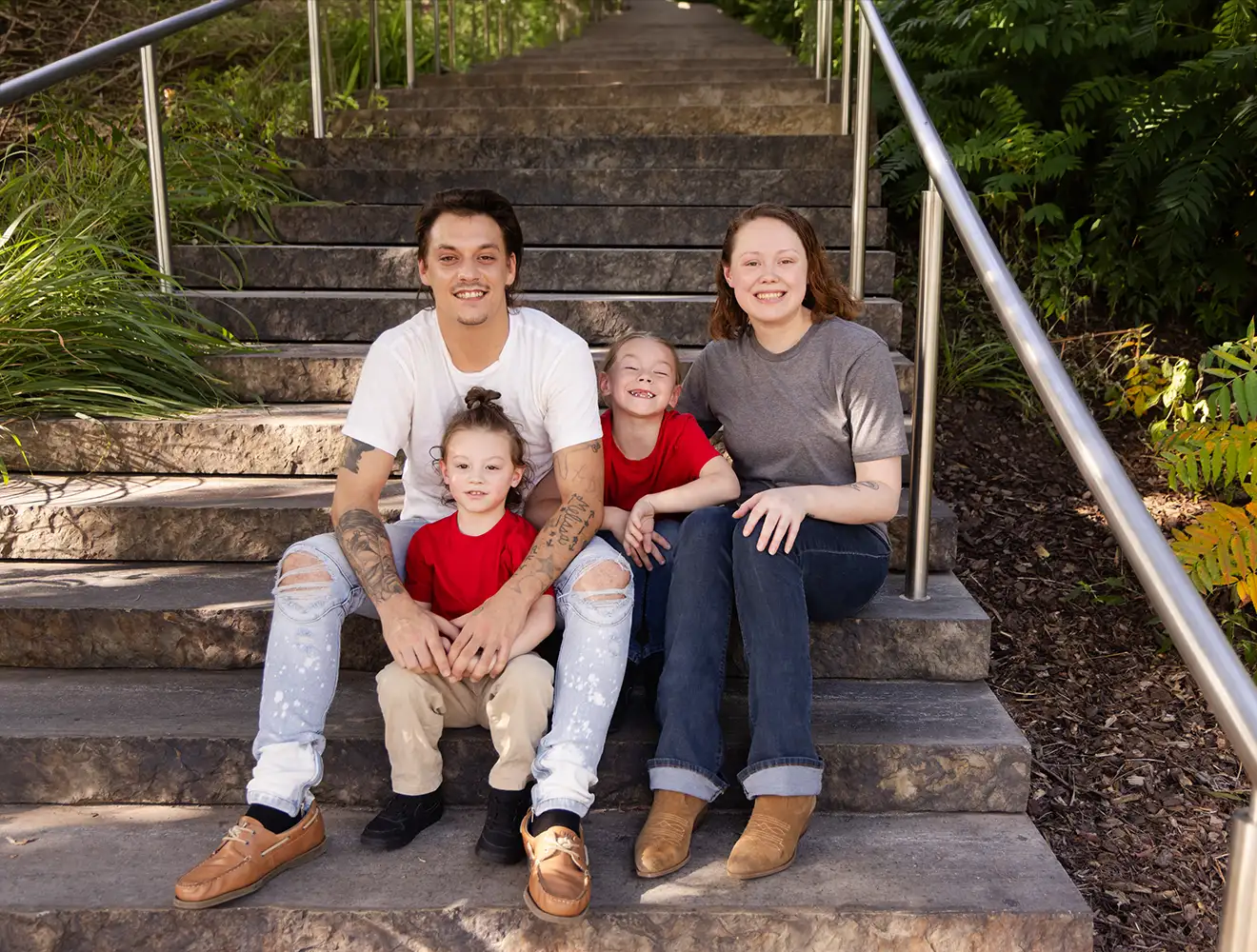
At 27, Austin’s life was already full. Born and raised in Tulsa, his days revolved around getting his kids to school, working, and playing semipro football on weekends. He was building something steady: a routine, a family life, a future.
Then, an arrest interrupted everything.
Austin’s bail was set at $1,000 – an amount that, for many families, equals rent or more. It was not money he or his family had.
For nine days, Austin sat in a jail cell, not because he had been convicted of a crime, but because he could not afford bail. This is how pretrial incarceration works across the United States: people are jailed before trial for misdemeanors simply because they lack the resources to secure their release.
Nine days was enough to destabilize his life.
Austin lost his job while he was detained. Without income, bills piled up. The strain spilled into his relationship with his wife. What had been a stable routine unraveled quickly.
“It really took me down a dark path,” he said.
 Research has consistently shown that even short periods of pretrial detention can have lasting consequences. People held for just a few days are more likely to lose employment, housing, and stability. They are also more likely to plead guilty, sometimes just to go home, regardless of actual guilt.
Inside the Tulsa jail, Austin encountered conditions that deepened the harm. “It felt like something you see on TV,” he said. He described a chaotic and intimidating environment where people competed for basic necessities and new arrivals were tested. “The inmates run the jail,” he said.
“The facility was overcrowded, and the environment so unsanitary that he developed a skin infection from sleeping in the cells.”
He kept his head down, relying on advice from a cellmate to avoid conflict. Still, the conditions took a toll. The facility was overcrowded, and the environment was so unsanitary that he developed a skin infection from sleeping in the cells.
“It is dirty inside there,” he said. “There is really little to no care.”
Experiences like Austin’s are common inside jail, where overcrowding, limited healthcare, and instability are part of daily life.
“‘The system does really need to be changed,’ he said.”
“The system really does need to be changed,” he said.
Austin came to understand what defines much of the American jail population: pretrial detention is often less about risk and more about resources. In practice, access to money still determines who goes free. “If you have money, you could be out within a day,” he said. “If you don’t, you’re stuck.”
His grandmother eventually got in contact with The Bail Project. Soon after, Austin was on the phone with a bail disruptor who explained that they help people in exactly his situation: people facing misdemeanors who cannot afford bail.
“It was like a saving grace,” he said. Within two days, The Bail Project posted his bail, and Austin walked out of jail and back into his life.
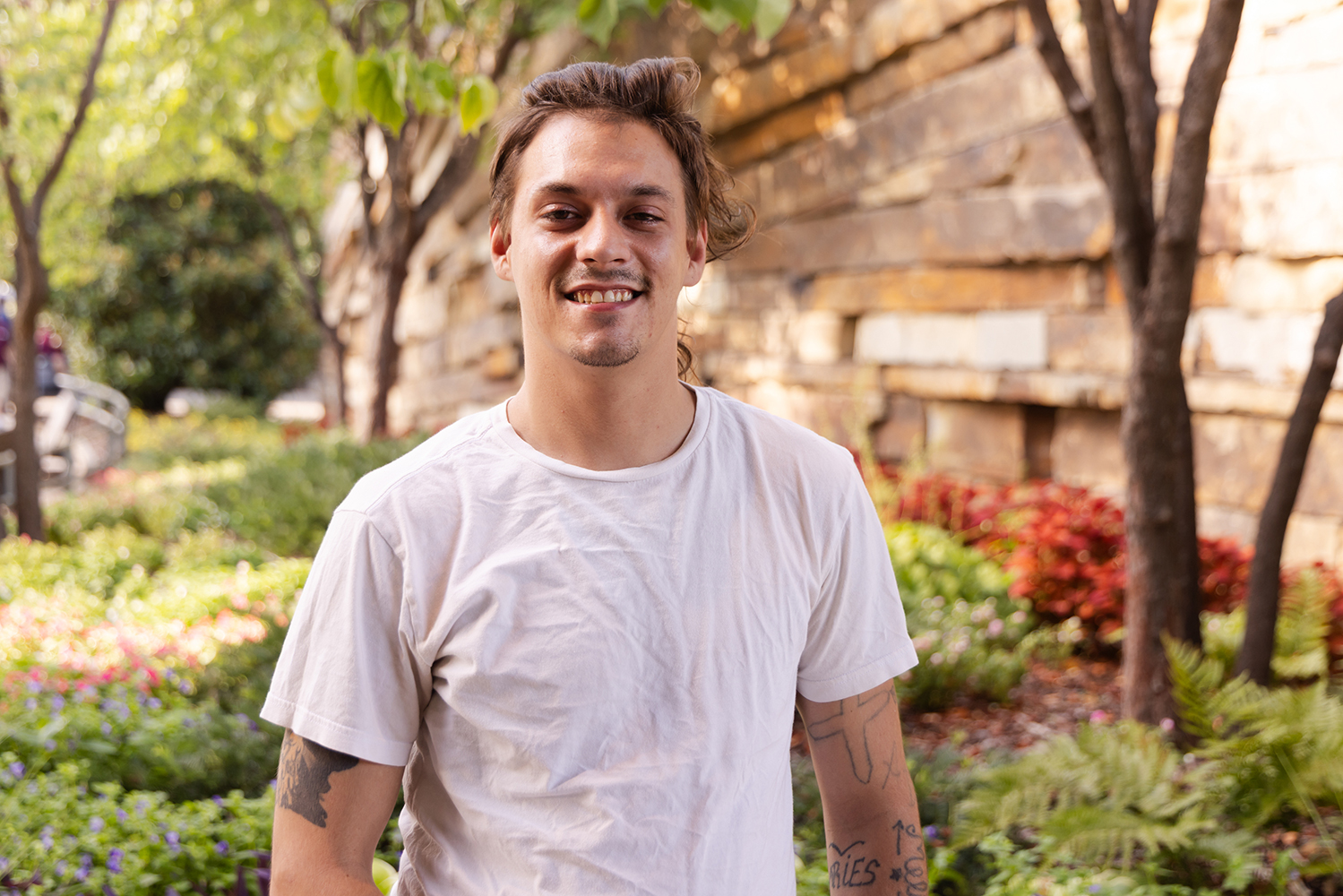
“He attended every court date and followed every instruction, determined to keep his record clean…”
Once released, Austin remained focused on his future. He attended every court date and followed every instruction, determined to keep his record clean, not just for himself but for his children. “I want to be a teacher,” he said. “I want to be able to coach.”
Eventually, the case was dismissed.
His experience with pretrial detention reflects a broader pattern. Many people held on bail see their cases dismissed or resolved without conviction. The Bail Project has provided bail assistance to over 37,000 people with a 93 percent return-to-court rate and one in three cases dismissed. Yet, clients still endure the consequences of incarceration: lost jobs, strained relationships, and lasting stress.
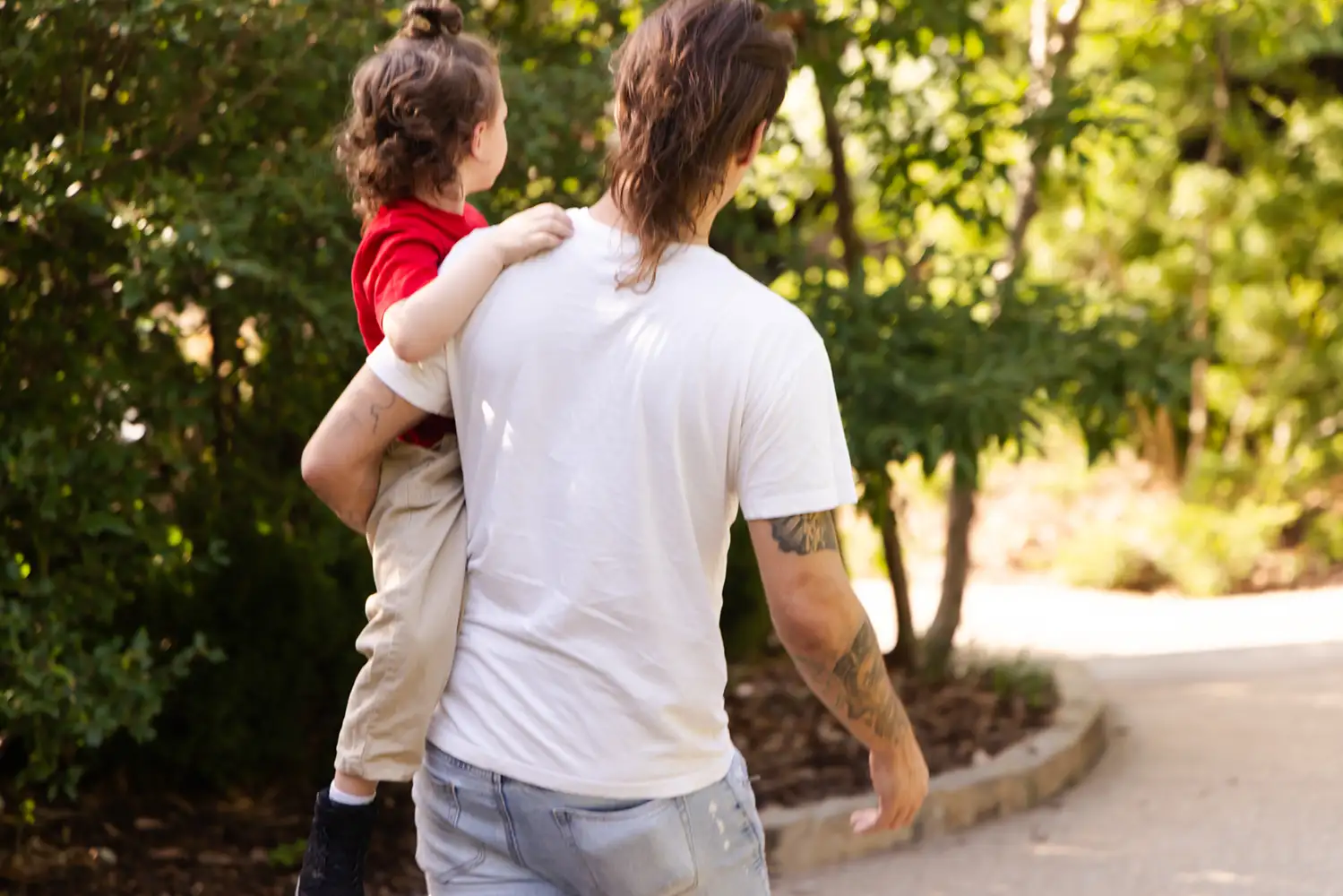
Today, Austin’s life looks different. He has been sober for seven years. He is raising his children and working toward going back to school. He continues to play football and is focused on becoming a teacher and coach, especially for young people like his own children, who have autism and ADHD.
Freedom gave him the chance to protect that future. It allowed him to fight his case from a position of stability: to show up to court, care for his family, and continue building his life.
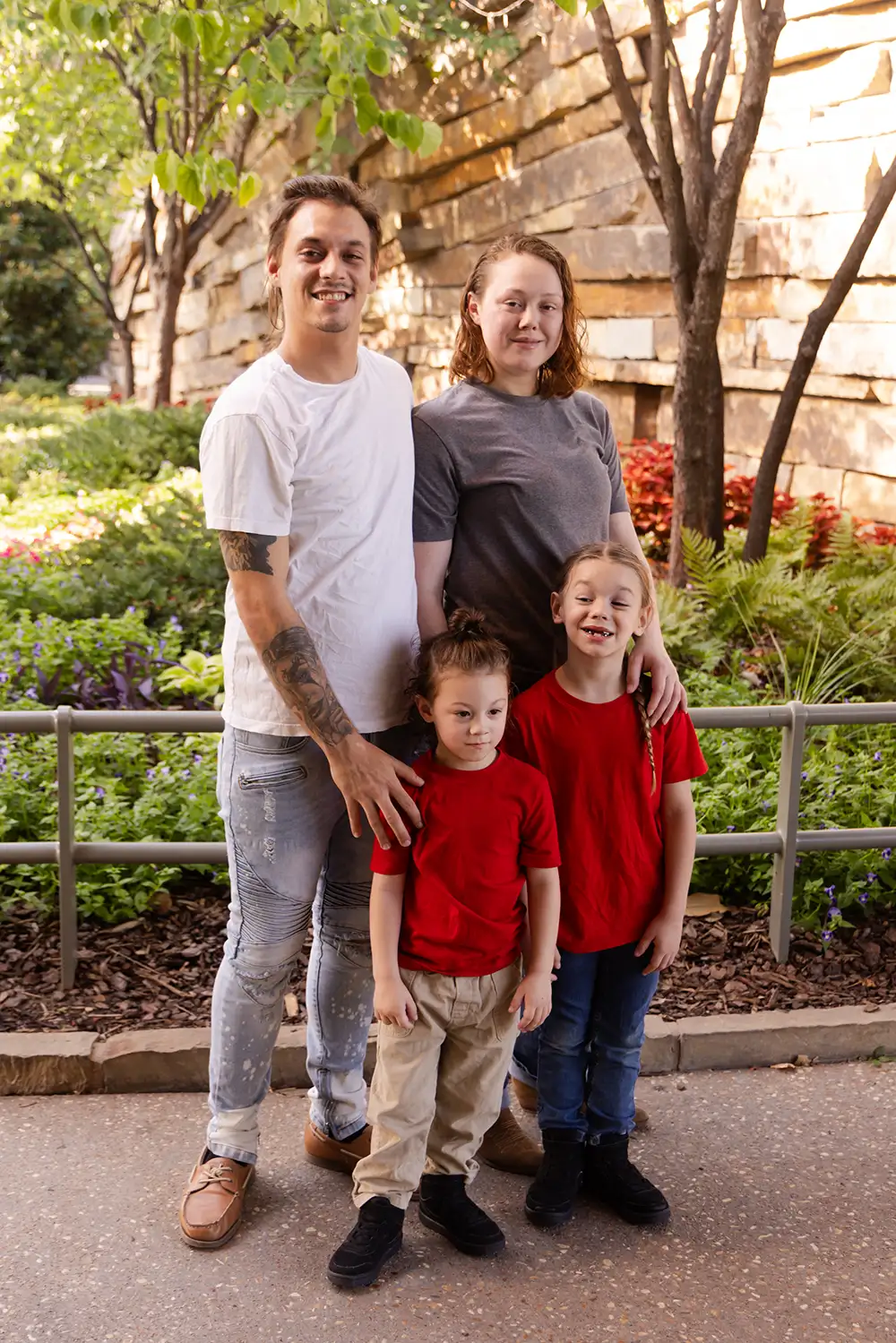
Austin’s story is not unusual. On any given night, hundreds of thousands of people are held in jails across the United States before trial, many simply because they cannot afford bail. The Bail Project exists to change that by providing free bail assistance and demonstrating that people can return to court without being jailed first.
People do not need to be jailed to show up. They do not need to lose everything to face their day in court. And they should not have to buy their freedom to be treated as innocent.
As Austin put it: “People always deserve a second chance.”
We need your help to secure freedom for people trapped behind bars because of unaffordable bail.
Your support gives hope to the thousands of people still trapped in pretrial detention. We’ve supported more than 40,000 clients through free bail assistance and community-based support services like affordable housing and healthcare, and mental health services. You can help secure the freedom of thousands more.
The Bail Project is a 501(c)(3) nonprofit organization that is only able to provide direct services and sustain systems change work through donations from people like you.