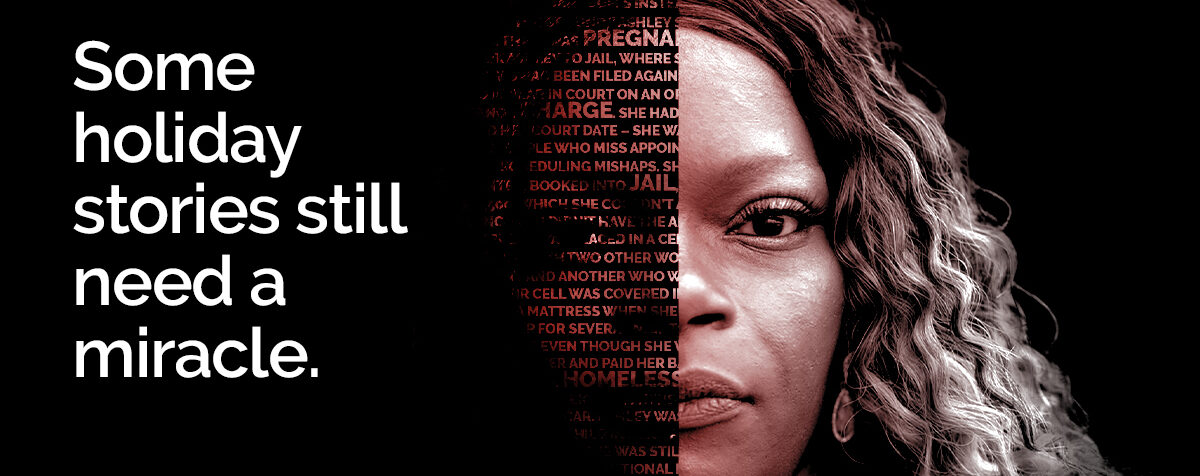

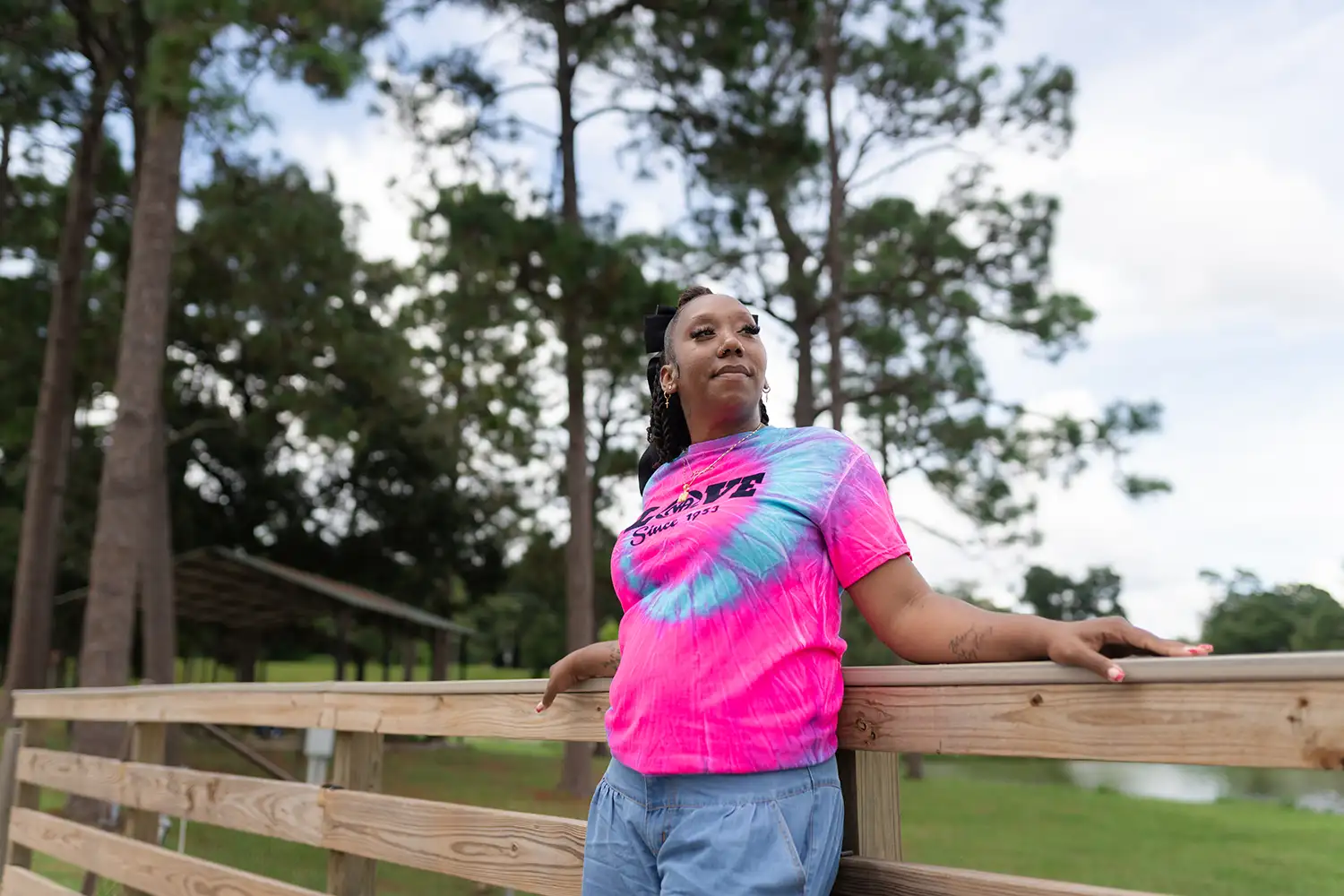
Four days in jail interrupted Nakedra’s recovery. Her release gave her the opportunity to begin again.
At work, Nakedra often thinks about how little it can take to change the course of someone’s day.
“You could be the only smile a person sees all day,” she said. “You could be the only inspirational conversation that a person has. You could change a person’s life in five seconds.”
Nakedra, 38, lives in Crestview, Florida, and works as a manager at Dunkin’. She likes customer service because she likes people, including the difficult ones: the angry customers, the impatient ones, the people carrying burdens she cannot see.
Her long-term goal is to work in a treatment center, helping people in recovery. It is work for which she has no shortage of experience.
Nakedra was born in Moss Point, Mississippi, and raised in Pensacola, Florida. She became pregnant at 15 and gave birth during a summer break, allowing her to return to school without missing classes. A school program provided free daycare, and she earned her diploma. After classes, she worked at her son’s daycare, then took him home with her.
Her long-term goal is to work in a treatment center, helping people in recovery.
Years later, she began using drugs while trying to preserve a relationship that was already causing her pain. Her partner sold drugs and frequently stayed away from home. Nakedra believed that if she joined him in the things he enjoyed, he might stay with her.
“I felt like if I did the drugs with him, then he would stay home,” she said.
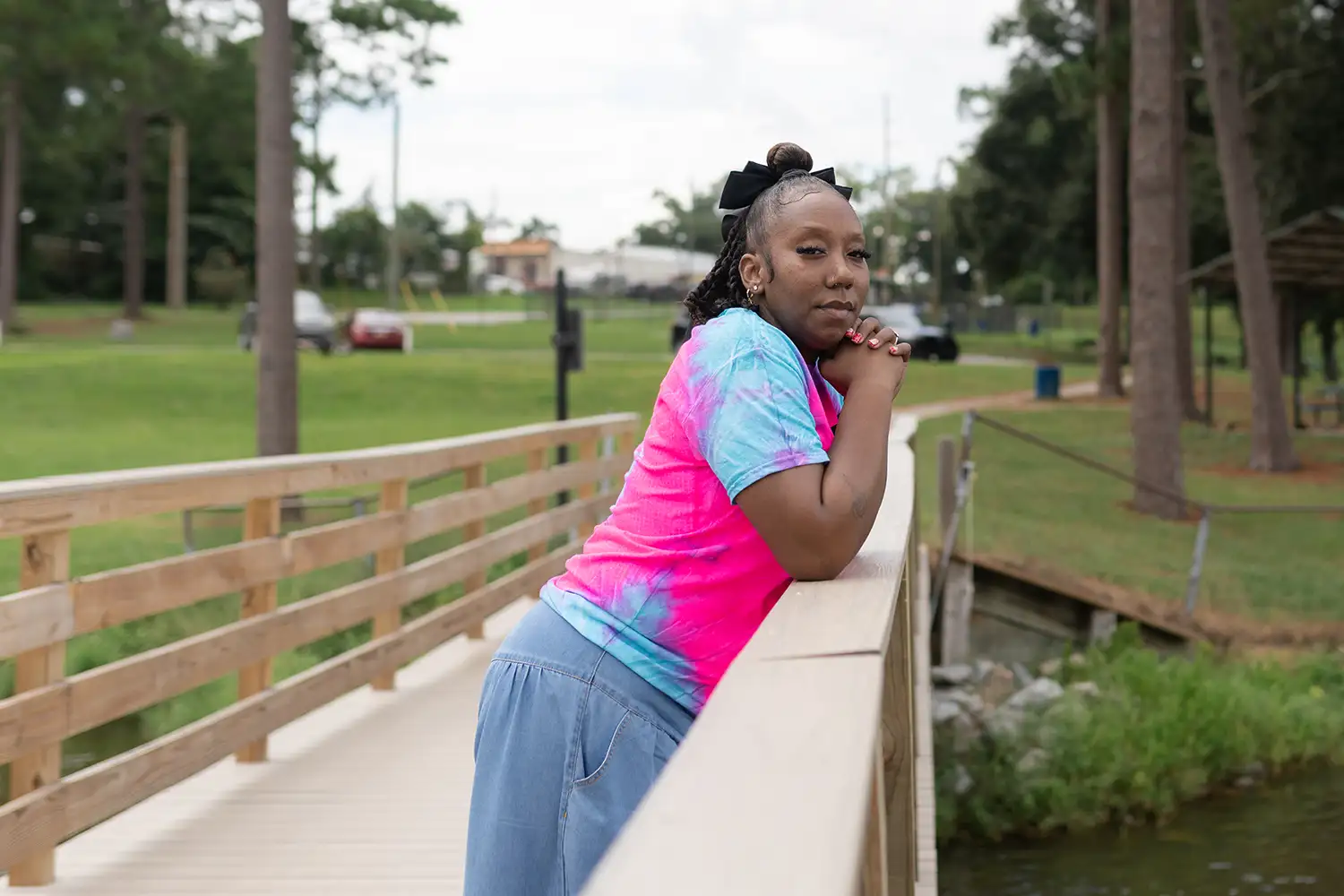 Her substance use deepened after dental work left her with a prescription for pain medication. Over the years, she moved in and out of recovery. Each time, she understood more clearly that sobriety would require more than giving up drugs and alcohol. It would require changing the people, places and relationships that had shaped her life.
Faith became part of that work. Through Alcoholics Anonymous, she developed what she calls “a God of my understanding” – loving, tolerant, graceful and merciful.
“I knew that my faith and my God would save me. I just had to do the work.”
“I knew that my faith and my God would save me,” she said. “I just had to do the work.”
At the time of her arrest, Nakedra and her then-girlfriend were living in a house without electricity, running water or enough food. An acquaintance offered to buy them gas and groceries while spending time with them. Nakedra said he gave them permission to use a debit card connected to an account he shared with his mother.
Later, while at their home, the man became unresponsive. Nakedra thought he might be overdosing and administered naloxone twice. When it did not revive him, she insisted that they call for help.
He was alive when the ambulance took him from the house. Two weeks later, a detective told Nakedra that he had died that night.
Police questioned her about four debit-card transactions totaling roughly $41. Nakedra said the man had approved the purchases and that she did not know the account also belonged to his mother.
The following morning, officers arrested her on a charge of fraudulent use of a credit card.
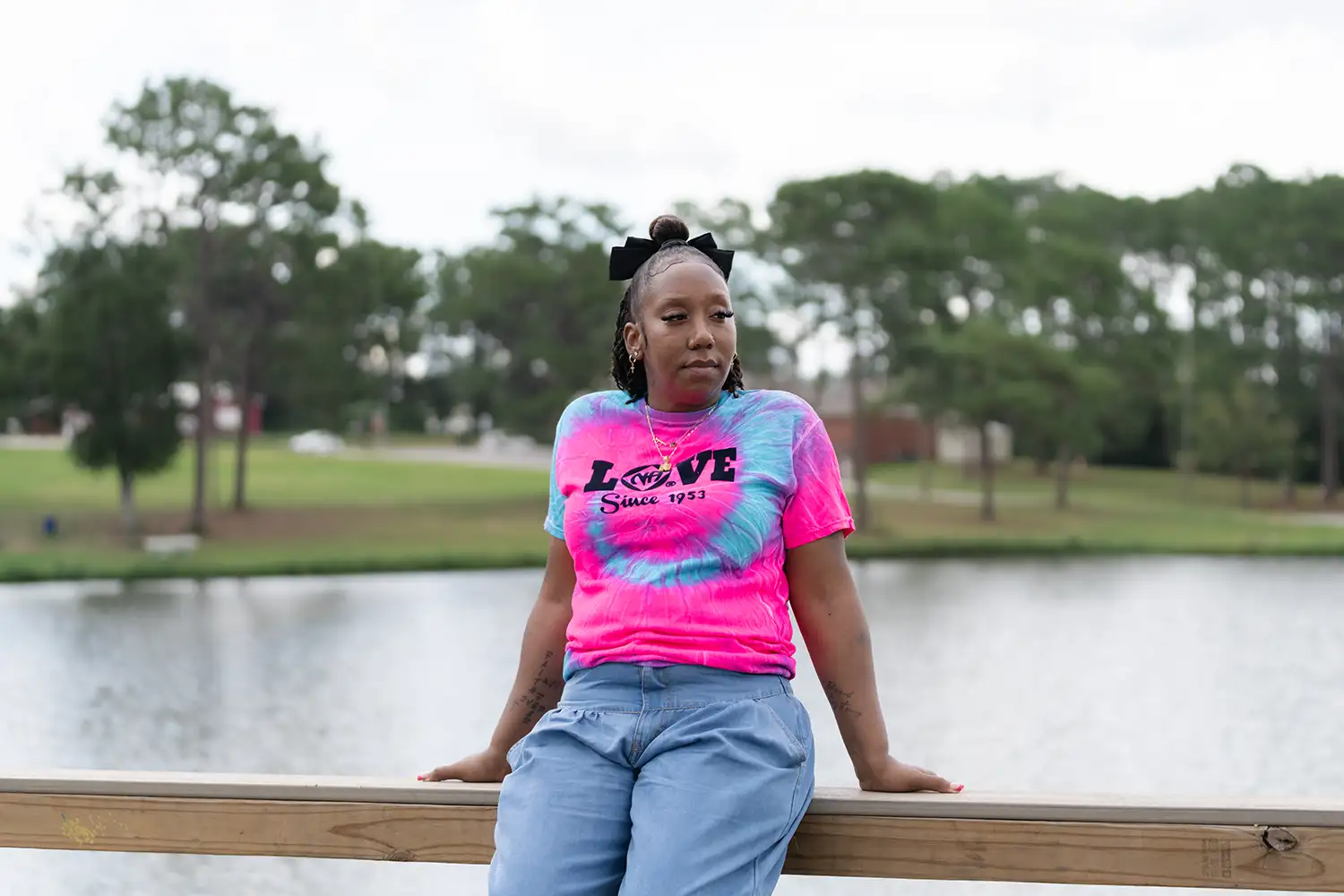 Nakedra spent four days in the Escambia County Jail. She was taking Suboxone as part of her recovery when she was arrested. In jail, she said, the treatment was interrupted and she received no meaningful relief as she went through withdrawal.
“I was sick,” she said. “I couldn’t eat. I couldn’t sleep. It was horrible.”
She said people entering the jail were not immediately given soap, toothpaste, deodorant or other basic hygiene supplies. Drinking water came from a sink positioned above the toilet. Phone calls and messages generally required money.
“You have no money on your account. You have no money on your books,” she said.
Without money, she said, contacting someone who could help was nearly impossible.
Her experience was not unusual. In a 2023 analysis of its client data, The Bail Project reported that more than 40% of clients had a history of substance misuse and more than 30% faced mental-health challenges. For someone receiving treatment, even a brief jail stay can sever access to medication, employment and the people helping hold a life together.
Nakedra used a short free call to reach a former boyfriend. He contacted The Bail Project, and a staff member named Aliya began working on her case. Within hours, the organization posted her bail.
“I had no faith at that time,” Nakedra said. “But that was amazing.”
Release did not solve her problems. It gave her room to address them.
Release did not solve her problems. It gave her room to address them.
About two weeks later, Nakedra entered treatment. She eventually moved to Crestview and joined an Oxford House, a sober-living residence whose members work, pay rent and participate in recovery programs.
She had begun applying for jobs before she arrived. The day after moving, she had an interview. Soon she was working.
At first, she walked to her job. She attended recovery meetings, worked her program, passed drug tests and paid her rent. About a year later, she bought a car. Months after that, she moved into her own place. She earned a promotion and completed 18 months of supervised probation.
“I’m living life now,” she said. “It’s so much better for me.”
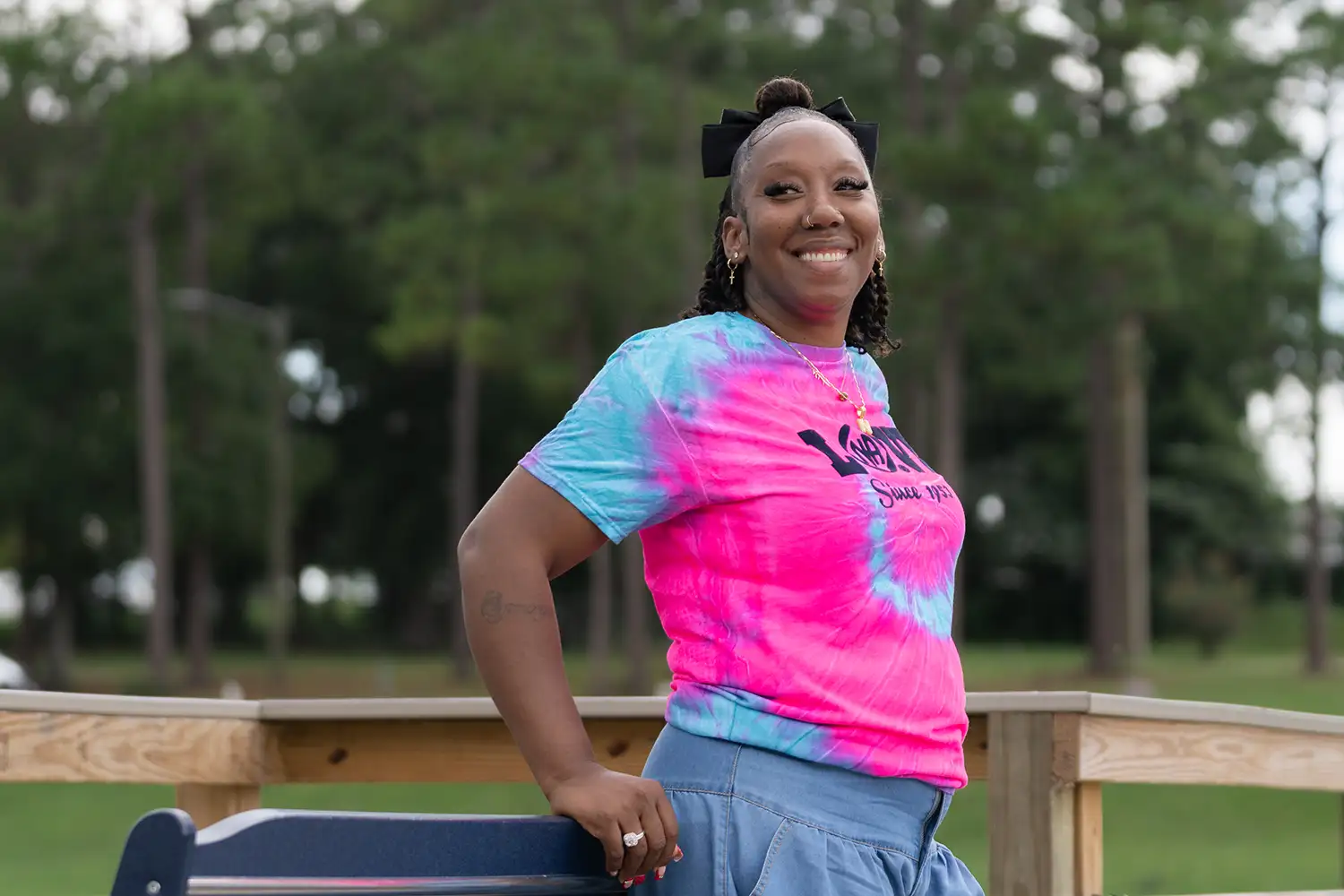 She also returned to court. The Bail Project’s 2025 Annual Report lists a 92% court-appearance rate among its clients. It also reports that 89 percent of the organization’s bail capital has revolved, allowing returned bail money to be used again.
The harder work was rebuilding trust with her children.
When Nakedra realized she could not provide them with a stable home, she asked their father to care for them. Her children were angry. Her youngest daughter barely spoke to her for nearly a year.
Nakedra did not ask them to forgive her simply because she had begun to change.
“Their feelings are valid,” she said. “They need to heal in their own time, not just because I want them healed.”
She kept working. Over Christmas, she spent four days with her children. Her youngest daughter slept beside her. Now, they speak regularly.
At the time of the interview, Nakedra said she expected to mark two years of sobriety on June 4. Once she reached that milestone, she hoped to become a behavioral health technician and help others find their way through recovery.
She also tells people about The Bail Project. At first, she had not understood why an organization would pay her bail without asking for something in return.
“That was the first time that someone actually took a chance on me.”
“That was the first time that someone actually took a chance on me,” she said.
The chance was temporary freedom. What followed was Nakedra’s work: treatment, employment, housing, accountability and the slow repair of a family.
“Had it not been for The Bail Project, I don’t know what I would be doing,” she said. “I don’t know where I would be right now. I probably would still be fighting to get out of the system.”
We need your help to secure freedom for people trapped behind bars because of unaffordable bail.
Your support gives hope to the thousands of people still trapped in pretrial detention. We’ve supported more than 40,000 clients through free bail assistance and community-based support services like affordable housing and healthcare, and mental health services. You can help secure the freedom of thousands more.
The Bail Project is a 501(c)(3) nonprofit organization that is only able to provide direct services and sustain systems change work through donations from people like you.