
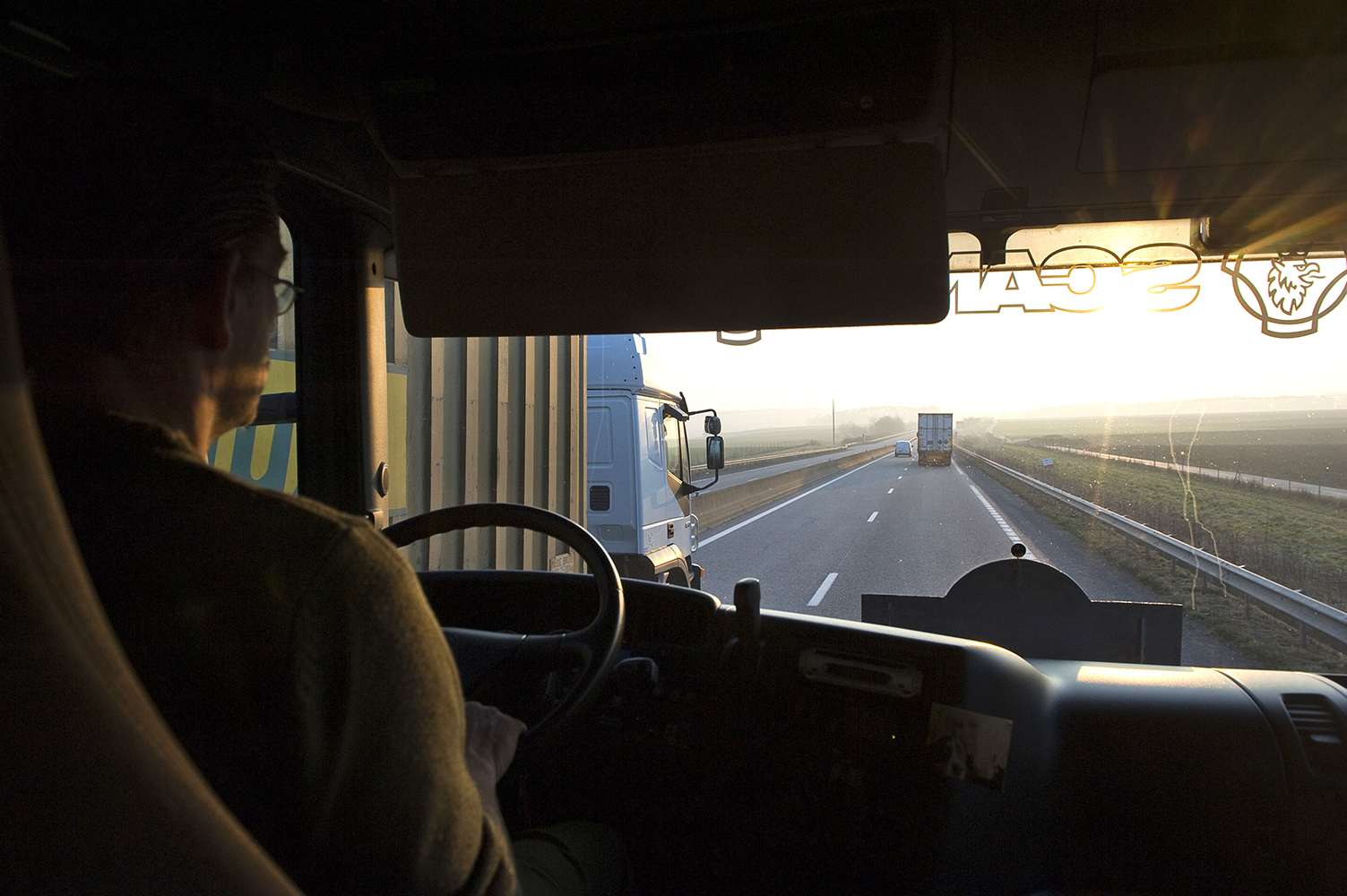
A routine workplace dispute jailed a truck driver for 17 days and revealed how quickly the cash bail system turns conflict into punishment.
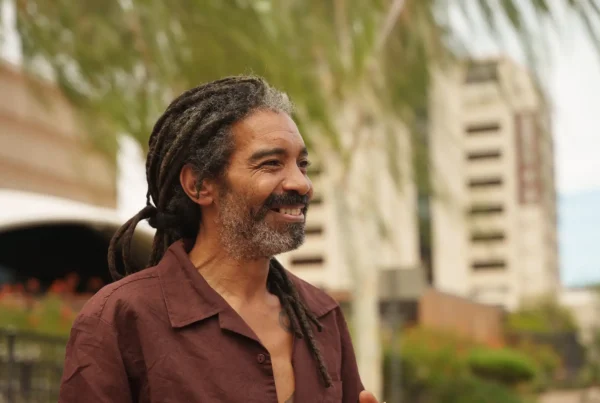
Thomas was finally back on the road. After years of addiction, homelessness, and instability, he had rebuilt his life one mile at a time. He had his commercial driver’s license (CDL) again. He was working. He was sober. “I was blessed with being able to go back to CDL school and get my CDL back,” he said. “I was gaining jobs and keeping my sobriety.” Driving was more than a job. It was proof that his life was moving forward.
The trouble began with what felt like a small thing. A conflict at a trucking terminal in Florida. Thomas had delivered his load and expected to head home. He asked if he could take the truck, retrieve his belongings, and return it. “I said, can I at least get by the house so I can get my family settled? I will bring the truck back to you,” he recalled.
Instead, the situation escalated into an altercation.
A company employee reached into the truck and tried to take the key. “He grabbed my hand and twisted the key off in the ignition,” Thomas said. When Thomas stepped down from the cab, the man sprayed him in the face with mace. Police were called. Thomas was arrested.
What had been a workplace dispute became a criminal case.
What had been a workplace dispute became a criminal case.
He was charged with trespassing and battery. Then something more serious was added: grand theft auto for the truck and trailer. “The truck never left the property,” Thomas said. “How is that grand theft auto?” His bond was set at $7,500.
Thomas spent 17 days in jail.
Those days were not simply time served. He was locked up in a state far from home. His phone, wallet, and personal property were taken. He had no way to contact his partner, who had been with him at the time of the arrest. “I had no idea what had happened to her,” he said. “I didn’t have her number in my mind. It was on my phone.”
Inside the jail, Thomas witnessed what confinement looked like up close. He saw people overdosing. He saw a man placed in restraints, straps placed on his legs and arms to immobilize him. He was moved from one facility to another, including a large housing unit where dozens of men slept in bunks side by side. “It was rough,” he said. “You see some things in there.”
The most painful part was not knowing whether his partner was safe.
The most painful part was not knowing whether his partner was safe. When he was finally released, the first thing he did was borrow a phone to call her and confirm that she had made it home.
Thomas was finally released from jail when The Bail Project stepped in. A public defender referred him. A bail disruptor contacted him and told him they could help. “Within three days, I was bailed out,” he said.
The Bail Project paid his bail in cash, placed him in temporary housing, and gave him a bus ticket home. After days of confinement, having a private place to shower and sleep felt like being returned to the world. “That was a wonderful feeling,” he said.
Later, the legal case began to unravel. The grand theft auto charges were dropped. “They had nothing on me,” Thomas said. He was left with trespassing and battery. Rather than fight the case through a long trial, he accepted a plea deal and a fine. “I just wanted to be done with it,” he said.
But the consequences of the cash bail system did not end there.
The battery charge stayed on his record. Employers saw it on background checks. “I’m having a hard time getting employed,” he said. Work has become harder to secure. Fines remain. “It’s wrecked my life,” Thomas said. “I’m just wanting to work.”
Even when the charges were later reduced, the damage was already done.
Thomas was never given the presumption of innocence. His side of the story was never heard. What began as an anger-fueled misunderstanding at work became life-altering once the criminal justice system took hold. A minor dispute led to arrest. Arrest led to jail. Jail led to financial strain. And even when the charges were later reduced, the damage was already done – reshaping his employment prospects and his daily life.
Through it all, Thomas holds onto what mattered most to him. “The only thing I can say today is I haven’t lost my woman, and I haven’t lost my sobriety,” he said. “I thank God every day for that.” He believes the experience pushed him further from addiction, even as it upended his stability.
Thomas’s story shows how quickly an ordinary conflict can become life altering. A moment that might have ended in conversation ended in handcuffs. Cash bail assistance made the difference between staying trapped and being able to return home. But it could not erase the damage.
In the criminal justice system, small incidents do not stay small. They follow people long after the case is closed.
We need your help to secure freedom for people trapped behind bars because of unaffordable bail.
Your support gives hope to the thousands of people still trapped in pretrial detention. We’ve supported more than 40,000 clients through free bail assistance and community-based support services like affordable housing and healthcare, and mental health services. You can help secure the freedom of thousands more.
The Bail Project is a 501(c)(3) nonprofit organization that is only able to provide direct services and sustain systems change work through donations from people like you.