
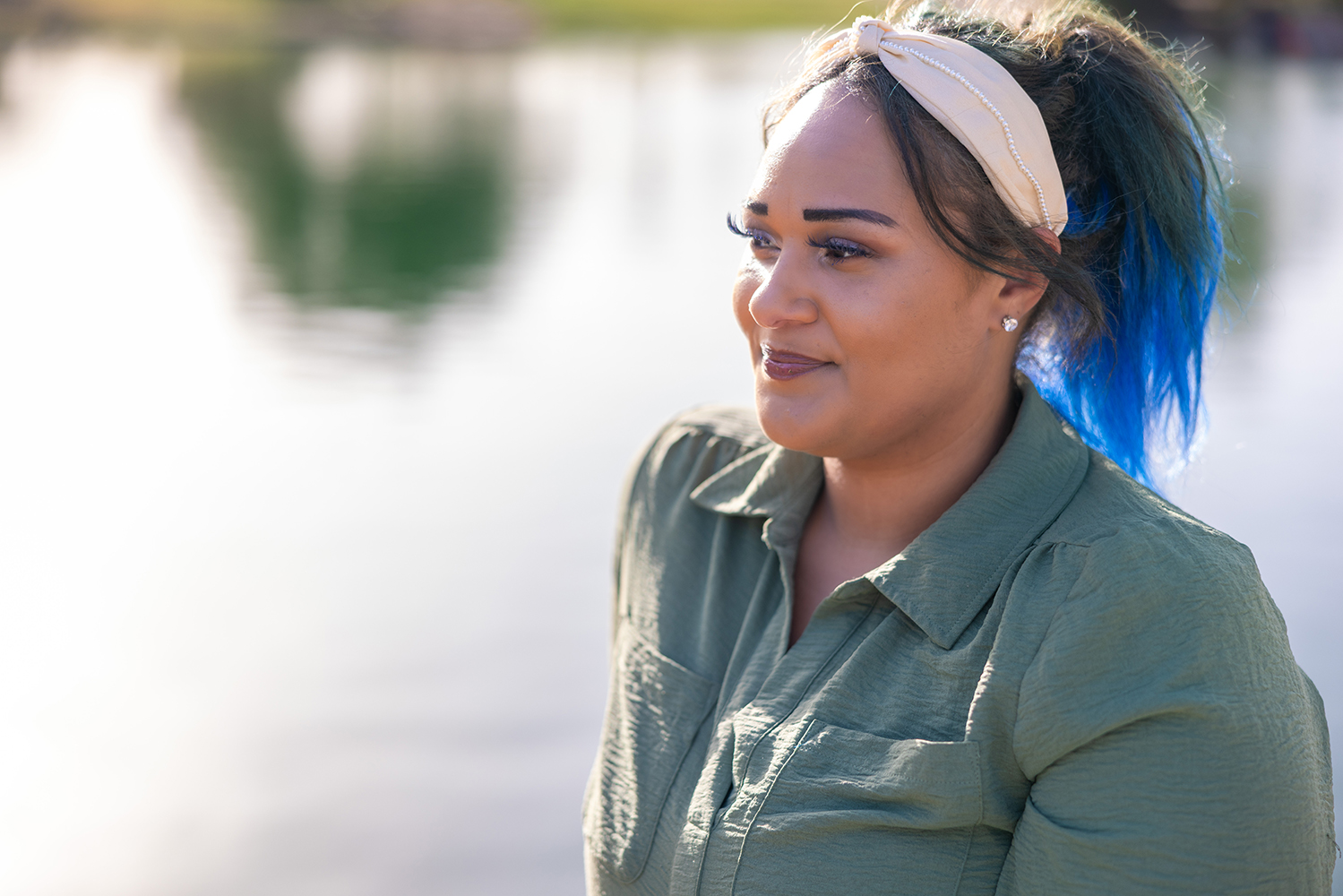
A $2,500 bail turned a minor arrest into a two-week nightmare for Taylor. Now, with support from The Bail Project, she is fighting her case from a position of freedom and stability.
Two-thousand five hundred dollars was the price set between Taylor and the rest of her life. For the 32-year-old case manager in Arizona’s East Valley, that number was a lesson in how cash bail works. It decided whether a lapse of judgement would pass or become something larger – whether she would go home or go to jail.
Taylor had just signed a lease on a new apartment last October. She went to Walmart to buy what she needed to furnish it. “Just regular household items,” she said. “Like toilet paper, hygiene [products].” She bought some things and, short on cash, she shoplifted others.
Then Taylor went back inside to buy a futon she had picked out. While she was paying, store employees called the police. By the time she walked out, officers were waiting. She was questioned. The merchandise was checked. She didn’t have receipts for everything. She was arrested.
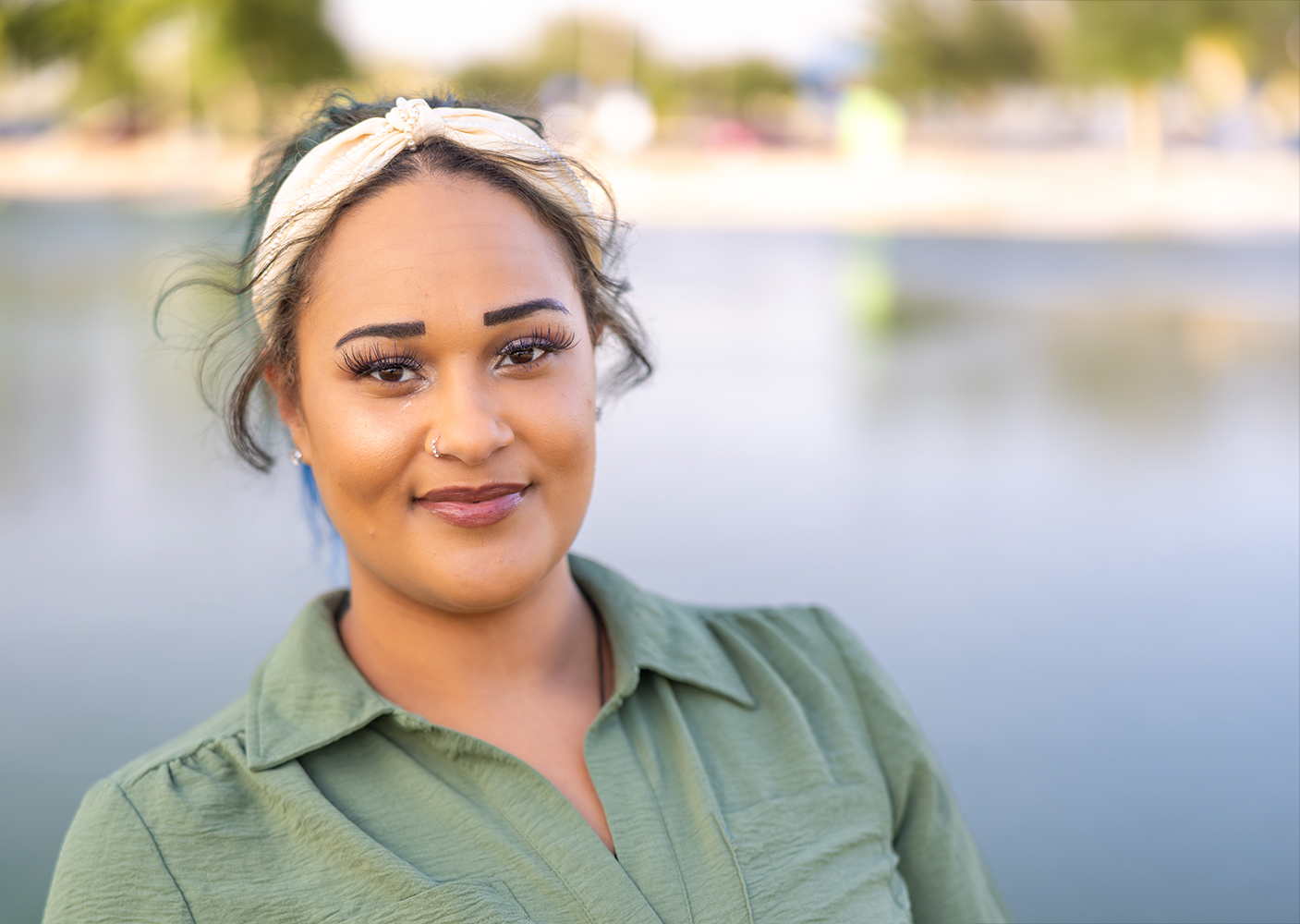 Later, Taylor was direct about it. “I thought I could get away with it,” she said. “And I really needed those items.”
Her bond was set at $2,500. She asked for help. She tried to use her car as collateral, but it wasn’t worth enough.
Her bond was set at $2,500. She tried to come up with it. She called family. She asked for help. She tried to use her car as collateral, but it wasn’t worth enough. Nothing worked. Without the money, she was sent to jail, where she stayed there for more than two weeks.
“Jail is the hardest time you will ever do,” she said.
Clothes were shared and smelled. Taylor said the uniforms were dusted with onion powder so dogs could track escapees. The air was thick. Women around her were withdrawing from drugs, especially fentanyl – vomiting, sometimes defecating on themselves, waiting for care that didn’t come.
“It’s a biohazard everywhere,” she said.
Food came at fixed times: bread and peanut butter at 5 a.m., then a tray of what she described as “slop” at 5 p.m. – a mix of vegetables or tofu in sauce, often flavorless.
Taylor remembers a blind woman whose cane had been taken inside of the jail.
“Her cane is like her eyes,” Taylor said.
She also remembers elderly women and people in wheelchairs, all treated the same as everyone else.
From inside, there was little she could do to manage her life outside. She made calls where she could, relying on others to pass along messages and contact family.
“There’s really nothing you can do,” she said.
How Cash Bail Works in Our Justice System
This is how cash bail works in practice. A judge has already decided a person can go home. But whether they do often comes down to whether they can produce money quickly.
She received rides to court and was sent reminders ahead of her appearance dates.
After about two weeks, The Bail Project paid Taylor’s $2,500 bail. The support continued after her release. Because her arrest happened while she was trying to furnish her apartment, The Bail Project helped her access a voucher for a local furniture store to finish doing that. She received rides to court and was sent reminders ahead of her appearance dates.
Her Client Support Specialist, Sierra, stayed responsive throughout. “She was really quick, really efficient,” Taylor said.
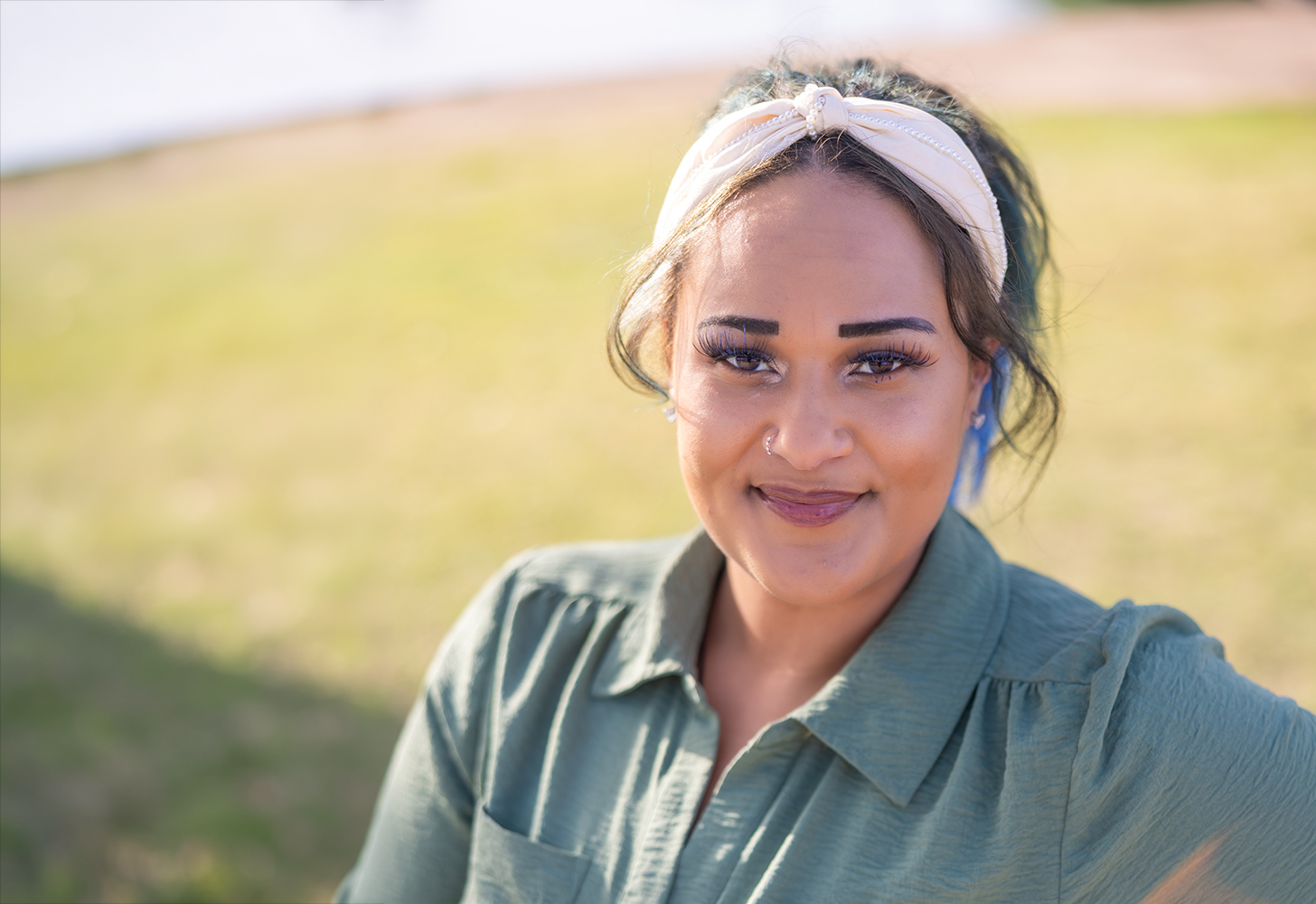
Taylor’s case is not over. She is hoping for probation. Her lawyer is pushing for it. But she is also facing the possibility of prison – perhaps a year, possibly more, depending on how the judge rules.
She talks about that uncertainty in a measured way. She wants to stay free. But she is also preparing herself for the alternative, telling herself that wherever she ends up is where she is meant to be.
For now, she is showing up. She has made every court date. She has kept her housing. She is holding her life together and making a case for leniency in a way that would have been impossible from inside a jail.
We need your help to secure freedom for people trapped behind bars because of unaffordable bail.
Your support gives hope to the thousands of people still trapped in pretrial detention. We’ve supported more than 40,000 clients through free bail assistance and community-based support services like affordable housing and healthcare, and mental health services. You can help secure the freedom of thousands more.
The Bail Project is a 501(c)(3) nonprofit organization that is only able to provide direct services and sustain systems change work through donations from people like you.