
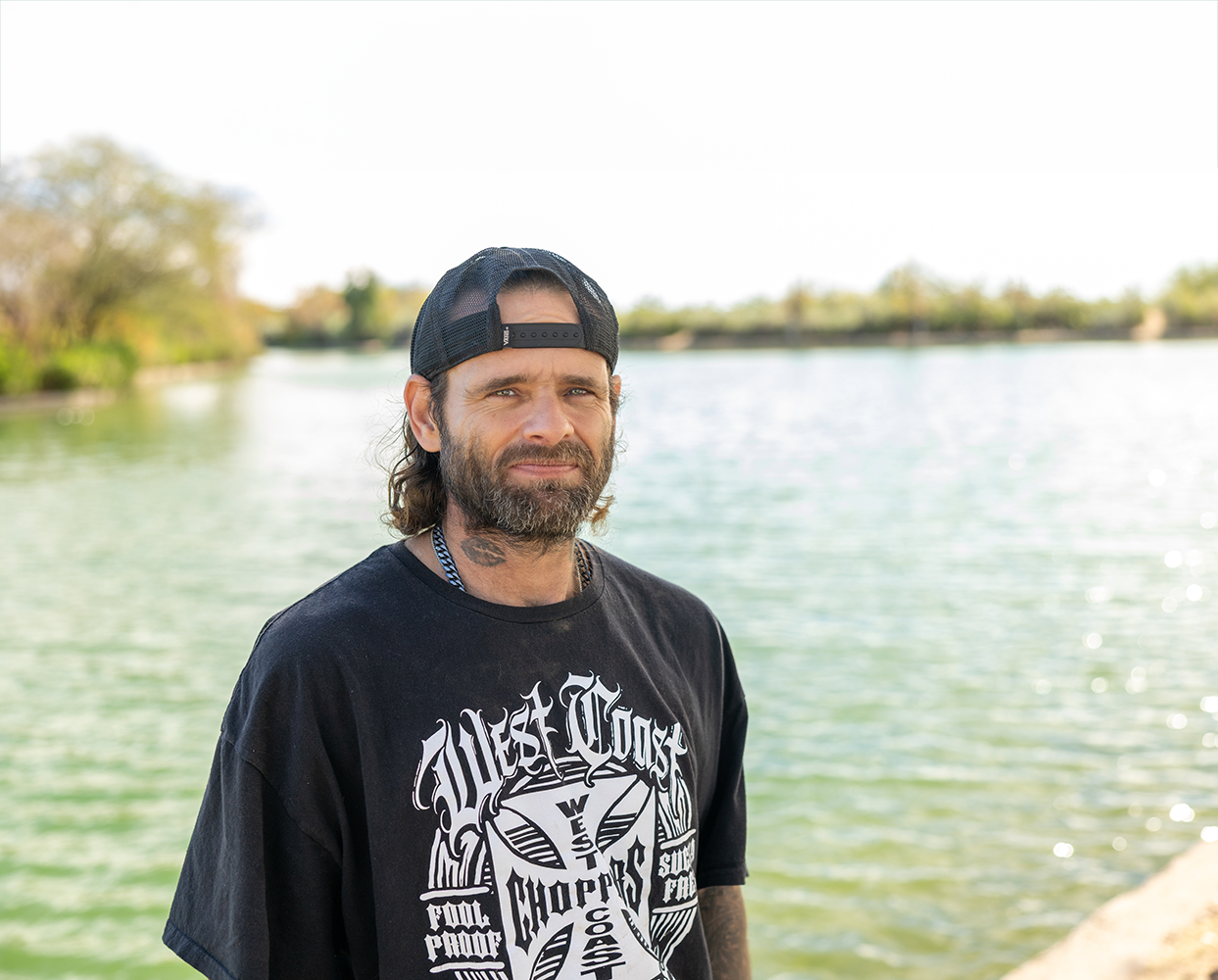
For nearly a month, Henry waited – without medication, without answers, and without the basic care his body needed.
Henry remembers the food first. The way it looked – and the way it never seemed meant for a human body. “Slop,” he calls it. One meal every twelve hours. A roll in the morning, sometimes moldy, sometimes soggy. A piece of fruit. A small carton of milk. At night, something that resembled meat but came without explanation. No ingredients, no answers. Just hunger, and the knowledge that he had not been convicted of anything. He was not serving a sentence. He was waiting.
Henry is 40 years old and lives in Mesa, Arizona. Last year, following an arrest he describes as an unlawful stop and search, he was booked into the Maricopa County jail system. The charges mattered to the court, but inside, the conditions defined his days. He describes entering the jail as stepping into a place stripped of basic care, where time is marked not by clocks but by meals that come too late and medical attention that never seems to arrive.
The environment itself was the threat. The food left many people sick or unable to eat. Some were allergic to what was served but had no alternative. Cleaning supplies were scarce.
The jail didn’t feel violent in the way outsiders imagine. “There’s really no violence unless you create it yourself,” he said. The environment itself was the threat. The food left many people sick or unable to eat. Some were allergic to what was served but had no alternative. Cleaning supplies were scarce; men used their own soap or shampoo to scrub cells, if they had any. Lockdowns were constant and often arbitrary, confining people for hours without explanation.
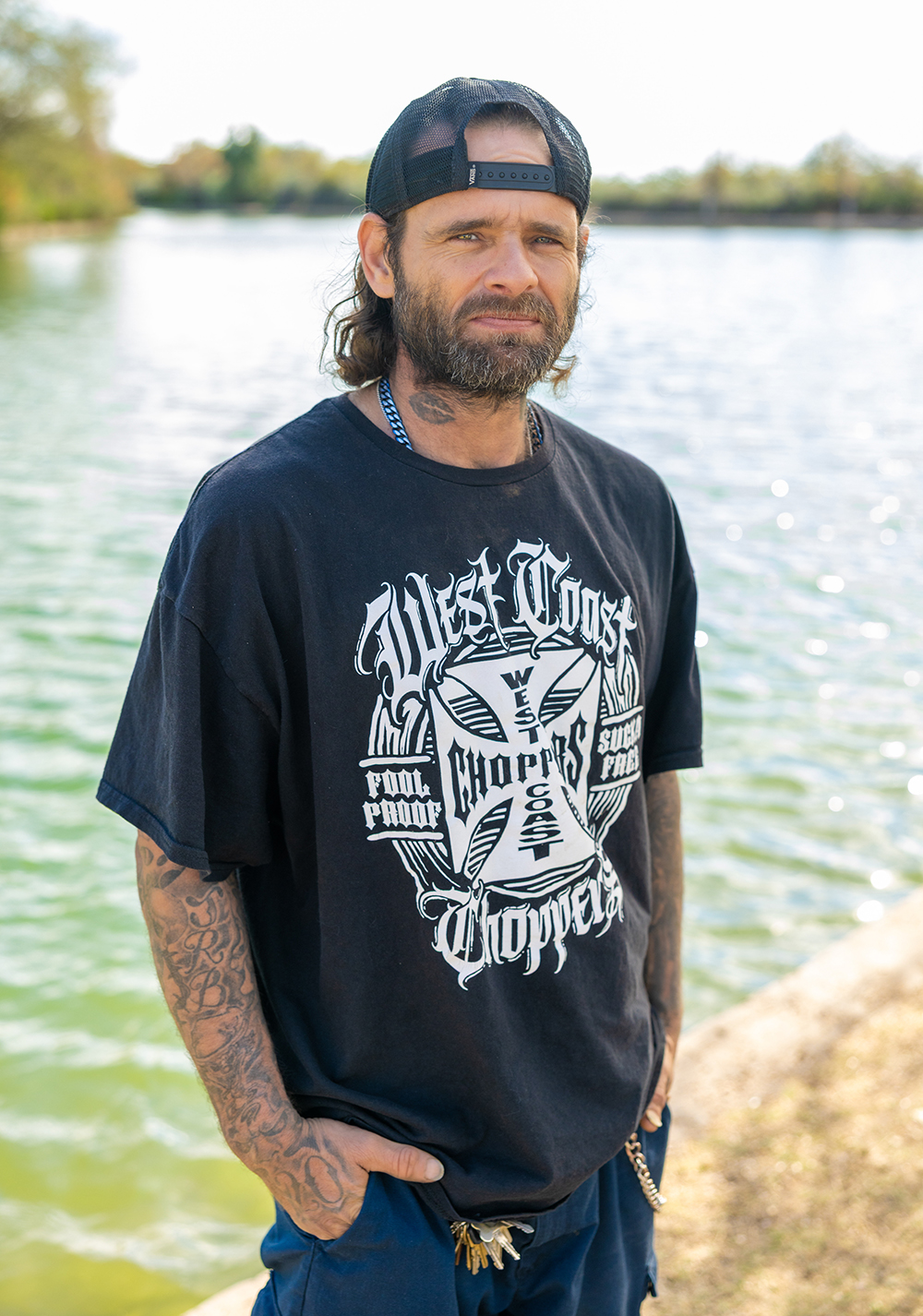
Health care, Henry says, was where neglect became most visible. He has mental health needs and takes medication. When he arrived, he told intake staff what he required. Then he waited. Days turned into weeks. It took nearly the full thirty days of his detention before he saw a doctor and received his medication – just two days before his release. Around him, he saw others in worse shape. Diabetics waiting for insulin collapsed. Men had seizures on the floor while officers walked past. “If you’re dying, they’ll come see you,” he said. Otherwise, you waited.
Inside the jail, illness was ordinary. Not dramatic, not rare.
Inside the jail, illness was ordinary. Not dramatic, not rare. The message was unspoken but clear: Your body is not a priority. The system was built to hold people, not to sustain them. For many, being denied medical treatment in jail wasn’t an administrative error; it was a daily reality of their incarceration.
The physical space amplified that neglect. Henry described overcrowded towers where triple bunks lined the walls. In some cells, four people slept in a space barely eight-by-eight feet: one on the top bunk, one in the middle, one below, and another on the floor. In the women’s units, he said, the bunks were stacked three high. Overcrowding did more than make people uncomfortable. It compressed everything – air, privacy, sleep, patience. Stress multiplied because there was nowhere for it to go.
Henry’s experience inside was only one side of the story. On the outside, his wife lived with the same uncertainty. For the first twelve days after his arrest, she did not hear from him at all. Her phone had been disconnected. He had no jail-issued tablet yet, which can take weeks to obtain. Lockdowns meant even when he could call, he often couldn’t. She did not know if he was safe or if he had his medication. She called the jail, searching for answers. Finally, in desperation, she contacted a chaplain. Within 45 minutes, the chaplain found Henry and gave him her number. Only then did the silence break.
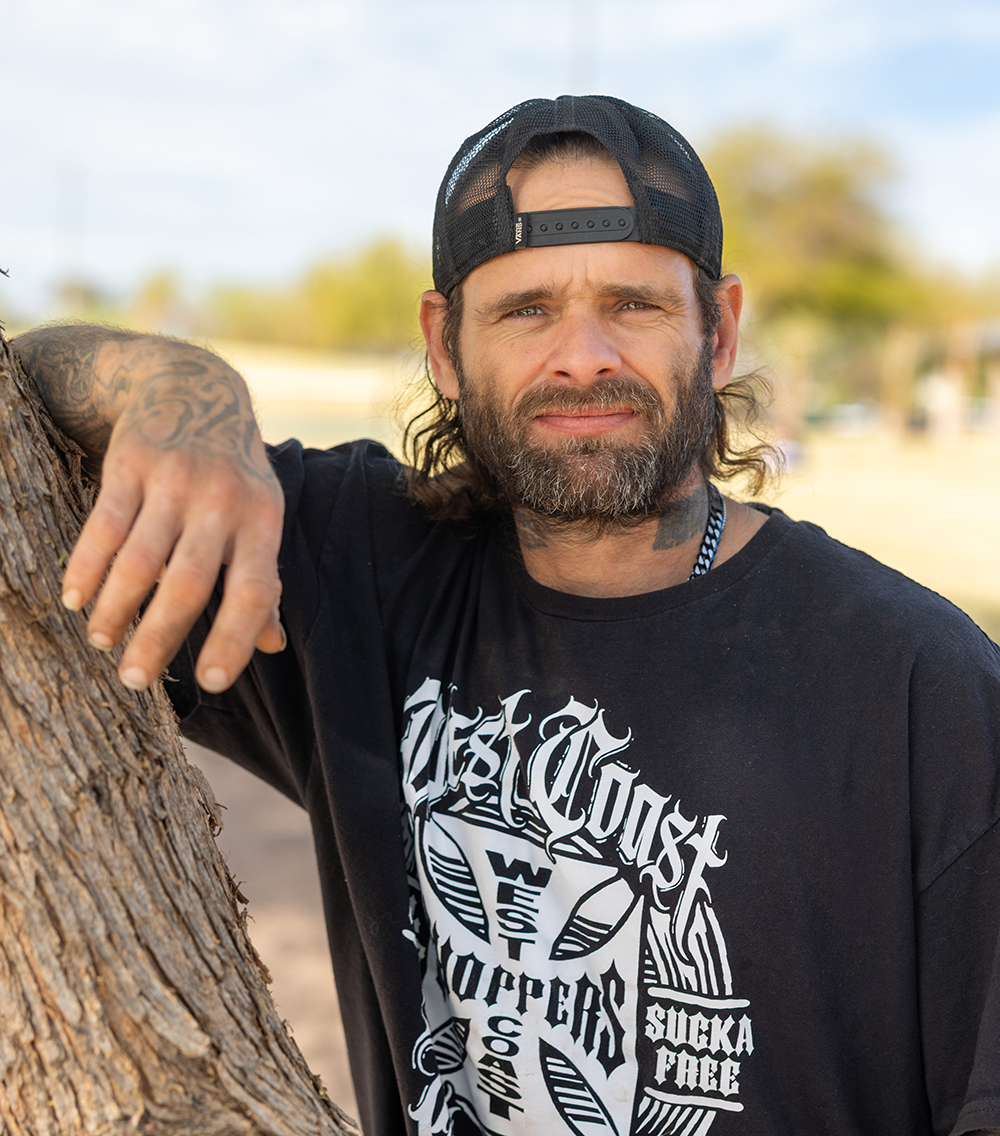
What his wife learned was as frightening as what she had imagined. Henry told her about the food, the lockdowns, the delays in medical care. He told her how people were kept inside because they had no money, not because they were dangerous. She listened, helpless, knowing that every day he remained there was another day of harm no court had ordered.
Money was the gatekeeper. His bond was set at $5,000, a sum that might as well have been a wall. “There was no way we could afford it,” she said. They sold what they could. They considered selling their RV. Still, it was not enough. Inside, Henry saw men held on minor charges, some for things as small as walking across the street at the wrong time. He was not being punished by a judge. He was being held because he could not pay.
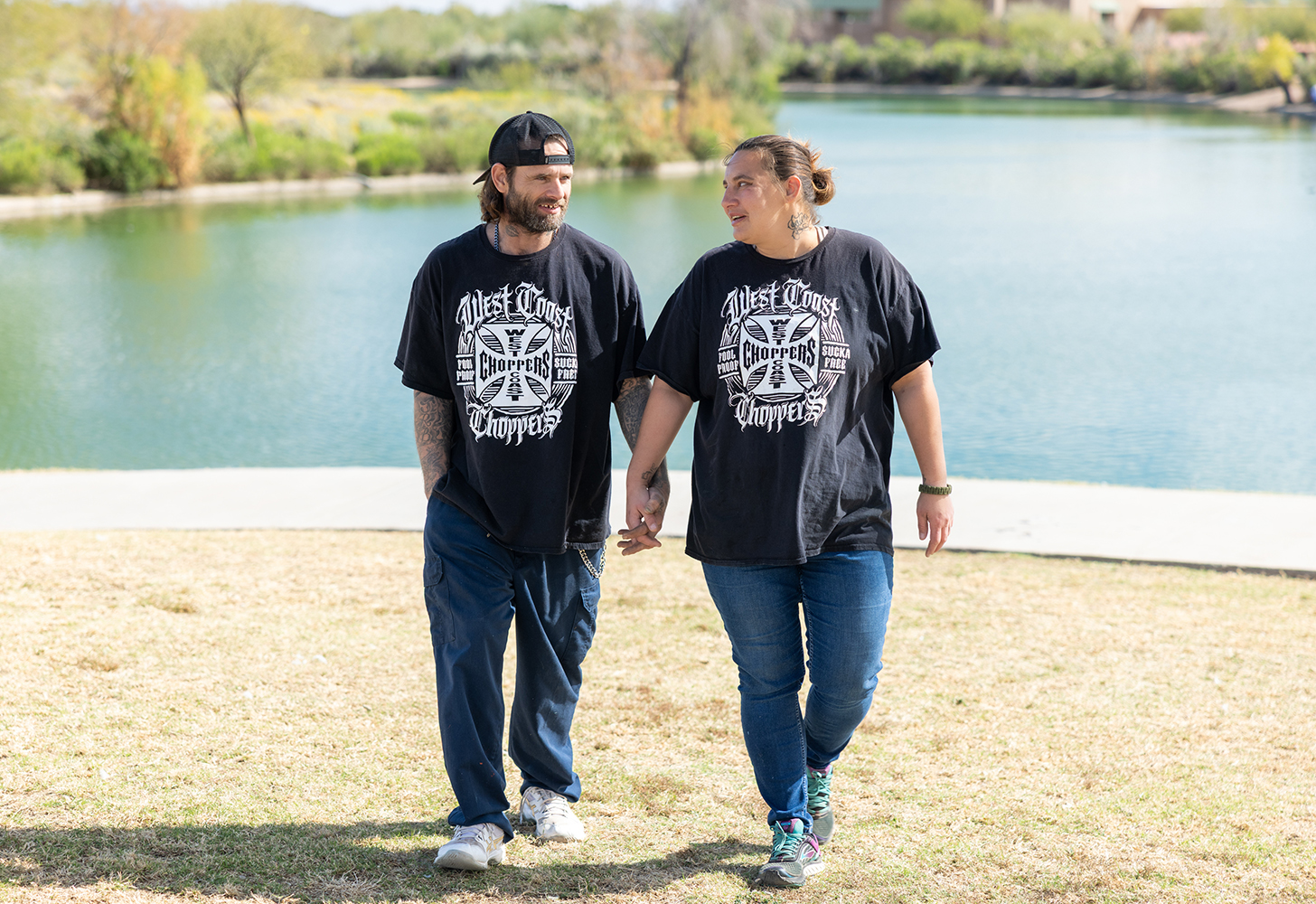
When The Bail Project agreed to help, the change was immediate. Henry was released after 30 days. Outside, he received his medication. He could speak freely with his lawyer. He could resist the impulse that had shaped previous arrests: the urge to accept the first plea simply to escape confinement. “Every other time, I would just sign it,” he said. This time, he could fight.
Freedom did not mean the case was over. It meant something more basic. It meant his health was no longer at daily risk. It meant he could sleep in a bed without three other bodies stacked above and beside him. It meant he could talk to his wife without wondering when the next lockdown would cut the line. Freedom did not erase the charges. It restored the conditions necessary to live – and to defend himself.
“People who haven’t been found guilty shouldn’t be confined like this.”
Henry is careful when he speaks about what happened to him. He does not ask for sympathy. He asks for recognition. “People who haven’t been found guilty shouldn’t be confined like this,” he said. For him, the issue is not abstract. It is the taste of food that made him sick. The weeks without medication. The men he watched collapse on the floor. The silence his wife endured on the outside.
Maricopa County presents its jail as a holding place, a neutral space before judgment. But Henry’s story reveals something else: a system that punishes before guilt is decided. It does so quietly, through neglect, overcrowding, and the simple fact of being held without the resources to leave.
The law takes time to determine responsibility. Inside the jail, there is no waiting for that answer. There is only the cell. Crowded. Locked down. Silent. A place where people are hungry, untreated, and unseen long before a court ever rules on their fate.
We need your help to secure freedom for people trapped behind bars because of unaffordable bail.
Your support gives hope to the thousands of people still trapped in pretrial detention. We’ve supported more than 40,000 clients through free bail assistance and community-based support services like affordable housing and healthcare, and mental health services. You can help secure the freedom of thousands more.
The Bail Project is a 501(c)(3) nonprofit organization that is only able to provide direct services and sustain systems change work through donations from people like you.