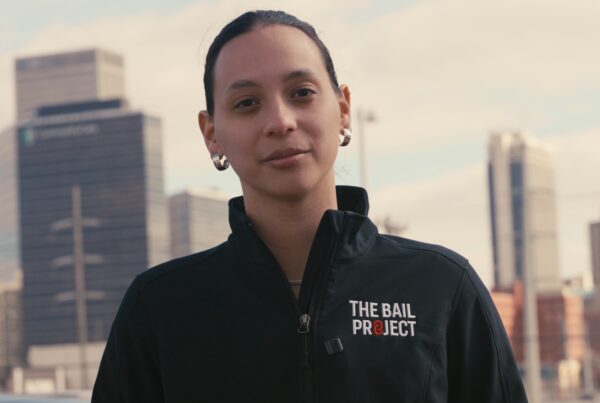






Erin George on why Illinois’ bail reform is a national model
“Illinois did not just pass bail reform with the Pretrial Fairness Act – it built a safer, fairer, and more lasting pretrial system. Other states should take note.”
That’s the message from Erin George, The Bail Project’s National Director of Policy, in her new Common Dreams op-ed, “Illinois Proved Bail Reform Works; Washington Wants to Undermine It.”
Published on the two-year anniversary of Illinois ending cash bail, Erin’s piece makes one thing clear: bail reform is working – and the evidence is overwhelming. Despite fearmongering and political backlash, the Pretrial Fairness Act has strengthened public safety, upheld due process, and kept thousands of legally innocent people out of jail simply because they couldn’t afford bail.
A Fairer Pretrial System, Built to Last
Erin describes how Illinois transformed its pretrial system by replacing money bail with evidence-based hearings that assess risk – not wealth. Judges can still order detention in serious cases, but no one is jailed simply for being poor.
She points out that this shift didn’t just happen overnight. The law was carefully crafted through collaboration among legal experts, advocates, victims’ rights groups, and community leaders, and supported by years of preparation before implementation. The Bail Project played a key role in this process — providing bail assistance and pretrial support to nearly 1,500 Illinoisans from 2019 to 2022, 95% of whom returned to court without financial conditions.
Results That Speak for Themselves
Since the law took effect, crime has not increased – in fact, Chicago recorded its lowest summer murder rate since the 1960s – and court appearance rates have remained steady. “When freedom is determined by risk and evidence rather than wealth,” Erin writes, “safety and fairness go hand in hand.”
Her op-ed also challenges misleading national narratives about public safety. The real drivers of fear – homelessness, addiction, and untreated mental illness – are social problems, not failures of bail reform. “Cash bail can’t fix them,” she argues. “But investments in housing, treatment, and community services can.”
The Path Forward
As Congress and the White House move to roll back reform, Erin urges policymakers to look to Illinois for proof that justice reform works when grounded in fairness and care. “The lesson from Illinois is clear,” she concludes. “Reform is not easy, but it is achievable and worth the fight.”
Read Erin George’s full op-ed: “Illinois Proved Bail Reform Works; Washington Wants to Undermine It.”
Thank you for your valuable attention. The urgency and complication of the cash bail crisis requires meaningful participation to create real change – change that is only achieved through the support of readers like you. Please consider sharing this piece with your networks and donating what you can today to sustain our vital work.