
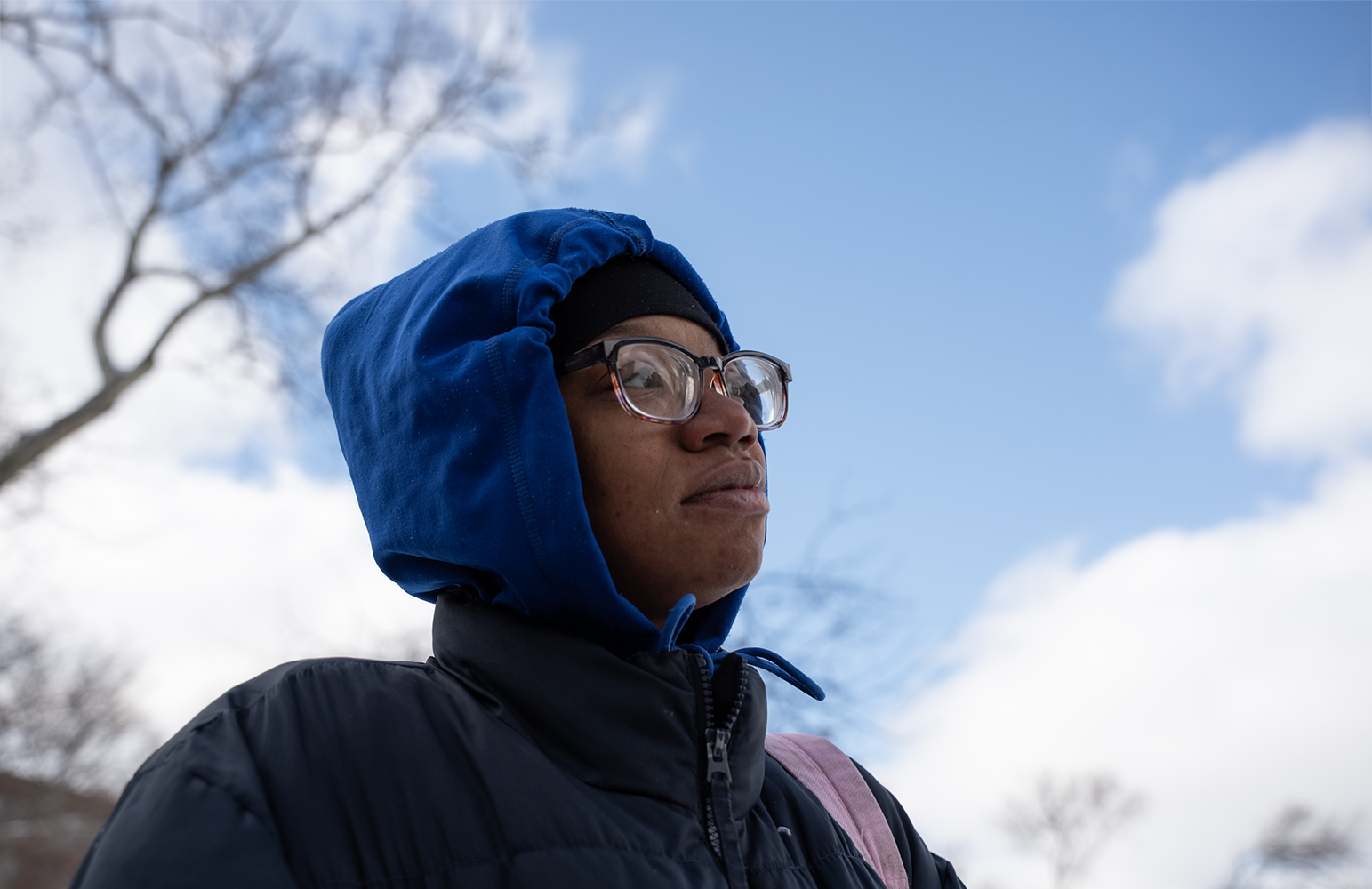
With four sons at home and a $20,000 bond, Rochelle needed more than release. She needed the chance to fight her case without losing her place in her children’s lives.
Rochelle describes herself first as a mother.
She has four sons, ages 12, 10, 4 and 3. She has lived in Cleveland her whole life. She calls herself outgoing, patient, and understanding – someone who loves talking to people and helping them. But when she talks about what her case has cost her, she returns to one thing again and again: time with her children.
“The time you can’t get time back,” Rochelle said. “The time you have away from your kids, anything can happen and then it’s out of your control.”
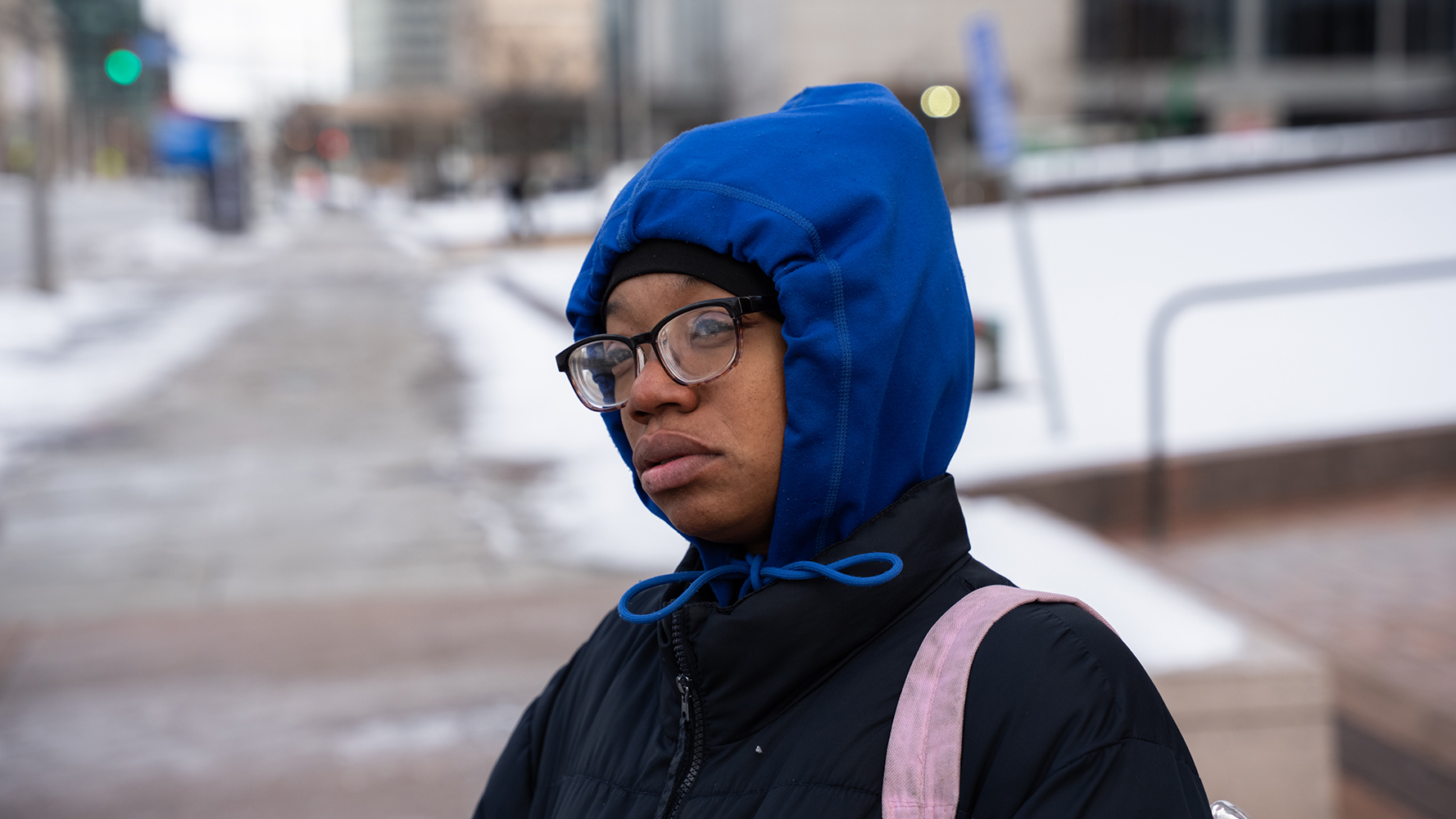
Rochelle has two pending cases. She spoke carefully about both, mindful not to share details that could affect the legal process. One, she said, involved a domestic situation. Another involved one of her children being hurt. One incident happened in July, she said, and the other in September. At some point, Rochelle said, she was told she had missed a court date, which resulted in a warrant.
Then came jail.
Rochelle said she spent about a day in the Cuyahoga County Jail. Her bond was about $20,000.
For some people, a day in jail may sound brief. For Rochelle, even that short time carried the weight of everything that could change outside: her children, her job, her case, and her future.
For some people, a day in jail may sound brief. For Rochelle, even that short time carried the weight of everything that could change outside: her children, her job, her case, and her future. She said she is now between jobs because of her case. She also said her children were removed as a result of the case, making her fight for release inseparable from her fight to remain present as a mother.
That is one of the clearest harms of cash bail. A person can be presumed innocent and still have their life disrupted immediately. A bond amount can decide whether someone waits for court at home or in a jail cell. That decision can affect employment, parenting, family stability and the ability to participate in one’s own defense.
For Rochelle, being bailed out meant she could return to her life while her case continued.
“It allowed me to still be around my family, my kids,” she said. It allowed her to “fight it from the outside and still be a mother.”
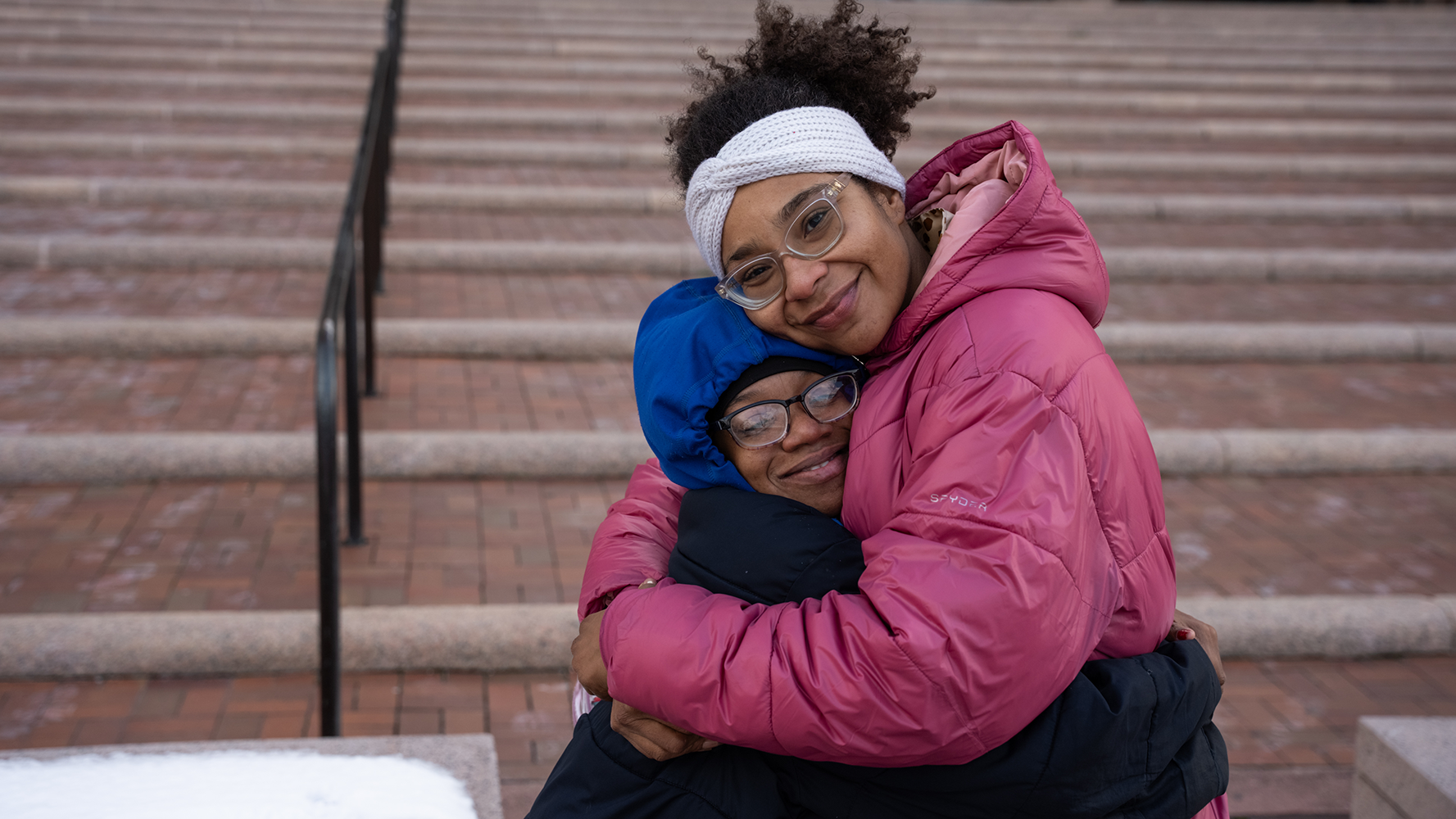
It also changed how she could show up in court. From jail, she said, she would have appeared by video. From outside, she could walk into the courtroom herself. Pretrial freedom gave Rochelle more than physical release. It gave her a better chance to be seen and heard as a person, not only as a defendant.
Her short time in jail stayed with her. Rochelle described the Cuyahoga County Jail as “nasty,” “disorganized” and marked, in her view, by “authority abuse.” What troubled her most was the way people were spoken to. She said some corrections officers talked to people “any type of way,” as though being jailed meant they no longer deserved basic respect.
People in jail are already under pressure, she said. They may be scared, angry, confused or worried about what is happening outside.
Rochelle noticed how quickly that kind of treatment could make a bad situation worse. People in jail are already under pressure, she said. They may be scared, angry, confused or worried about what is happening outside. They may have just had a painful phone call. In that environment, disrespect can escalate conflict.
“I’m already in here,” she said. “I don’t need you to make it worse.”
Rochelle was careful not to speak for everyone she met inside. But she said many people described situations that felt unfair or unheard. Some could not afford bond. Some had no one to call for help. Some did not know help from The Bail Project was available.
After her release, Rochelle continued facing the demands of the court process. She said she has struggled with communication from her court-appointed lawyer. Hearings have been rescheduled, she said, but she has not always felt informed about what is happening or how to fight her case.
“I don’t feel like he’s representing me properly,” she said. “I don’t feel like he’s hearing me.”
That lack of communication has real consequences. People are expected to comply with court dates, legal requirements, and case plans. But compliance becomes harder when the system is confusing, when dates change, when transportation is uncertain, or when people do not feel they have the information they need.
That is where The Bail Project’s support has mattered.
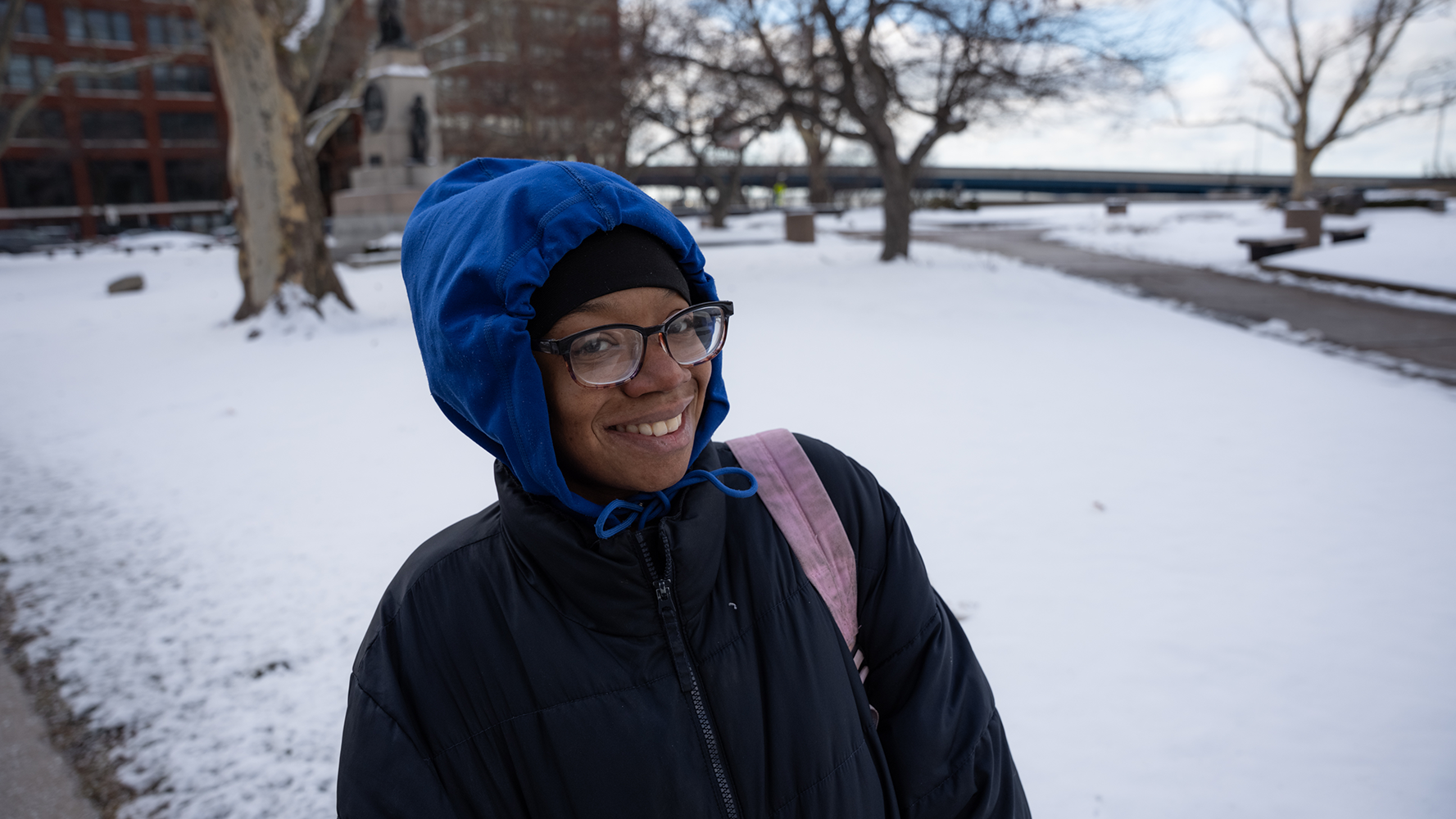
The Bail Project entered Rochelle’s case after she was connected through her legal representation. A Bail Project staff member helped secure her release and became a steady point of contact as Rochelle moved through the court process. For Rochelle, that support was both practical and personal. The Bail Project paid her bond, helped her get home, and continued supporting her with court reminders and transportation so she could return to court without being jailed simply because she lacked money or a reliable ride.
“She goes above and beyond,” Rochelle said of the bail disruptor working on her case.
Before a court date, Rochelle said, she gets an automated text reminding her to appear and asking whether she needs transportation. If she does, a ride is arranged. When court dates change, she said, she receives updated notifications.
“They always remind me about a court date,” she said. “They give me transportation, so there’s no excuse of me missing a court date and not having a way.”
People need clear information. They need reliable reminders. They need transportation. When those barriers are removed, people can keep showing up.
That matters because missed court dates are often treated as proof that someone does not care about coming back to court. Rochelle’s experience shows something different. People need clear information. They need reliable reminders. They need transportation. When those barriers are removed, people can keep showing up.
Rochelle is focused now on doing what is required of her and working toward getting her children back. She said she is staying out of trouble, working on herself and trying to move forward so that when her sons return, they are healthy and safe.
“So when they come back to me,” she said, “they’re good. They’re healthy, and we keep going forward.”
Cash bail often turns people’s lives into numbers: a bond amount, a court date, a case file. Rochelle’s story shows what those numbers can obscure. Behind a $20,000 bond was a mother trying to remain present for her children, fight her case, return to court, and hold her family together while her future was still unresolved. Pretrial freedom gave her the chance to do that from home.
We need your help to secure freedom for people trapped behind bars because of unaffordable bail.
Your support gives hope to the thousands of people still trapped in pretrial detention. We’ve supported more than 40,000 clients through free bail assistance and community-based support services like affordable housing and healthcare, and mental health services. You can help secure the freedom of thousands more.
The Bail Project is a 501(c)(3) nonprofit organization that is only able to provide direct services and sustain systems change work through donations from people like you.