

From hunger to medical neglect to prolonged delays, Marcus says conditions inside Maricopa County Jail function as pressure – pushing people in pretrial detention to plead guilty just to get out.
In Maricopa County, Marcus says, jail is not just where you wait. It is where you are worn down. Where time, deprivation, and delay intersect with pretrial incarceration to shape decisions long before a case is resolved.
“Phoenix is an awesome city,” Marcus says. “Just as long as you don’t got no felonies.” Once you do, he explains, the experience of the criminal justice system changes. One encounter becomes a charge. One charge can lead to pretrial detention. And that time, he says, becomes the system’s most effective pressure point.
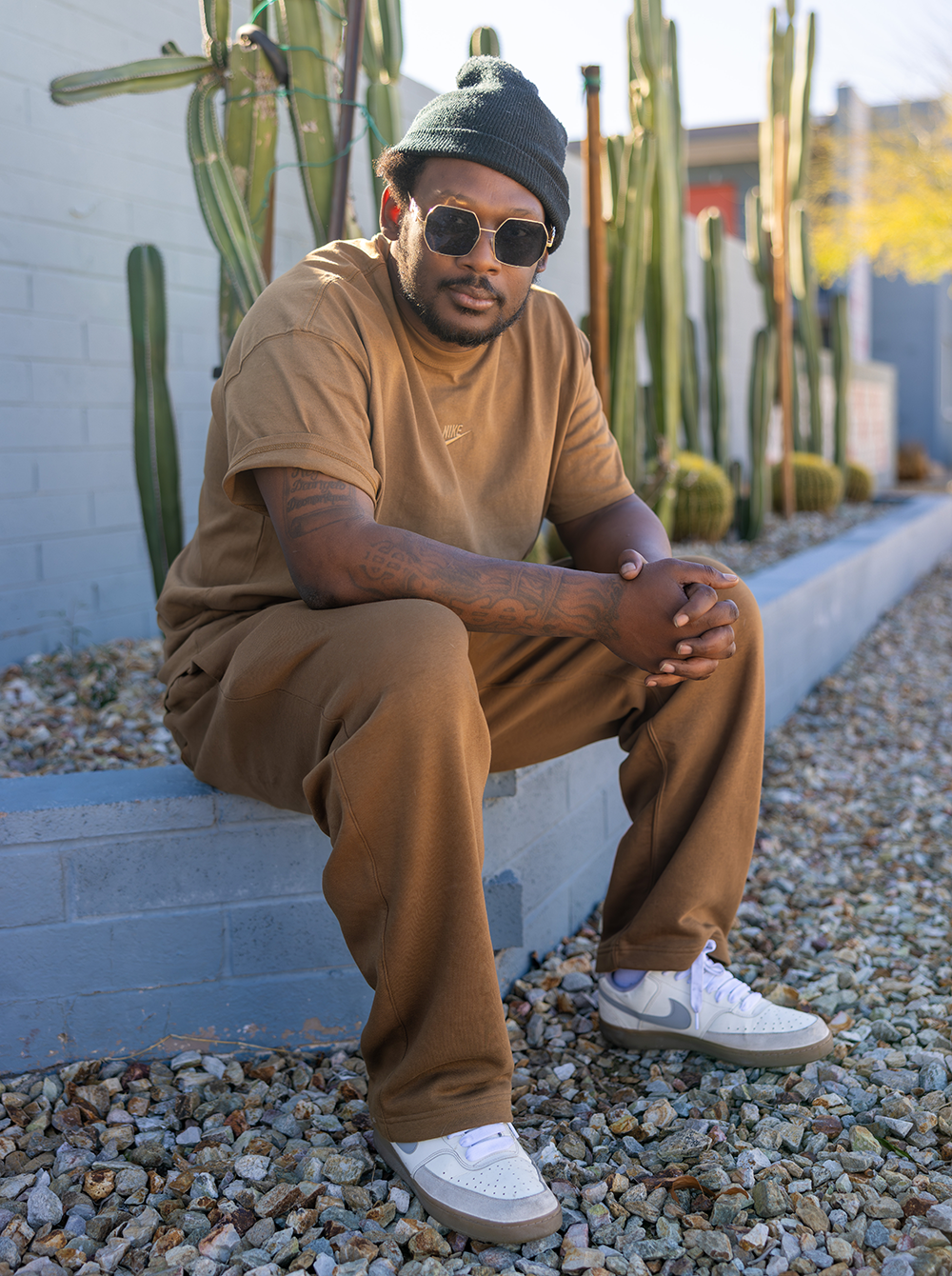
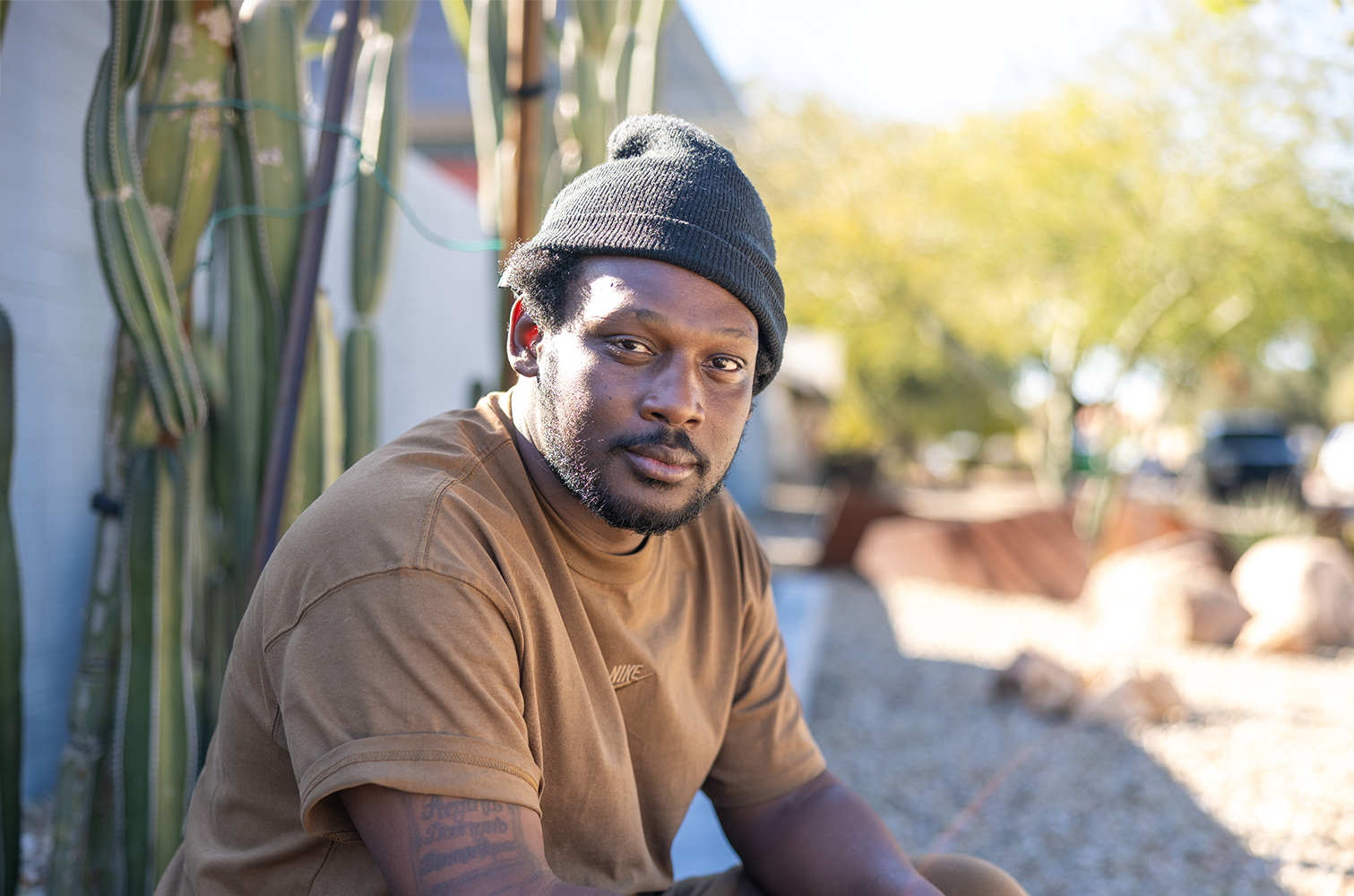
Marcus is 37, born in Cleveland, and moved to Arizona as a teenager. He describes a life shaped by repeated contact with the system. But when he talks about his most recent case – before The Bail Project helped secure his pretrial release – he focuses less on the charges and more on the jail conditions he experienced.
“This is probably the worst county jail,” he says.
He begins with food.
“You eat twice a day, every day you only eat twice a day,” he says. “I don’t care what that internet tells y’all.”
Marcus describes a routine that, in his experience, rarely changes: a small breakfast of bread, peanut butter, jelly, milk, and cookies, followed by a limited evening meal. He says the portions were not enough for him.
“I can’t survive off two meals a day. My body structure don’t allow it,” he says.
Marcus frames this not simply as discomfort, but as part of a broader experience of deprivation inside jail.
“This is what I feel is Maricopa County’s tactic to get you to sign the plea faster,” Marcus says. “Because the conditions… it starts to mess with your psyche.”
Research has shown that pretrial detention can increase the likelihood that people plead guilty, sometimes regardless of actual culpability, in order to regain their freedom.
That statement reflects Marcus’s perspective on how jail conditions affect decision-making. Research has shown that pretrial detention can increase the likelihood that people plead guilty, sometimes regardless of actual culpability, in order to regain their freedom.
Marcus says he saw that dynamic firsthand.
“Some of the most innocent cats in the world go to prison because they couldn’t deal with the conditions,” he says.
According to Marcus, people experiencing withdrawal were sometimes placed in holding areas for extended periods before receiving care. He says treatment was minimal, often limited to over-the-counter medication. Regular medical care, he says, was also limited. In one building, he alleges there was visible mold and maintenance beyond the weekly pressure washing of the showers depended heavily on the people incarcerated.
“It’s left up to the inmates,” he says about cleaning. “We do the best we can because we have to live there.”
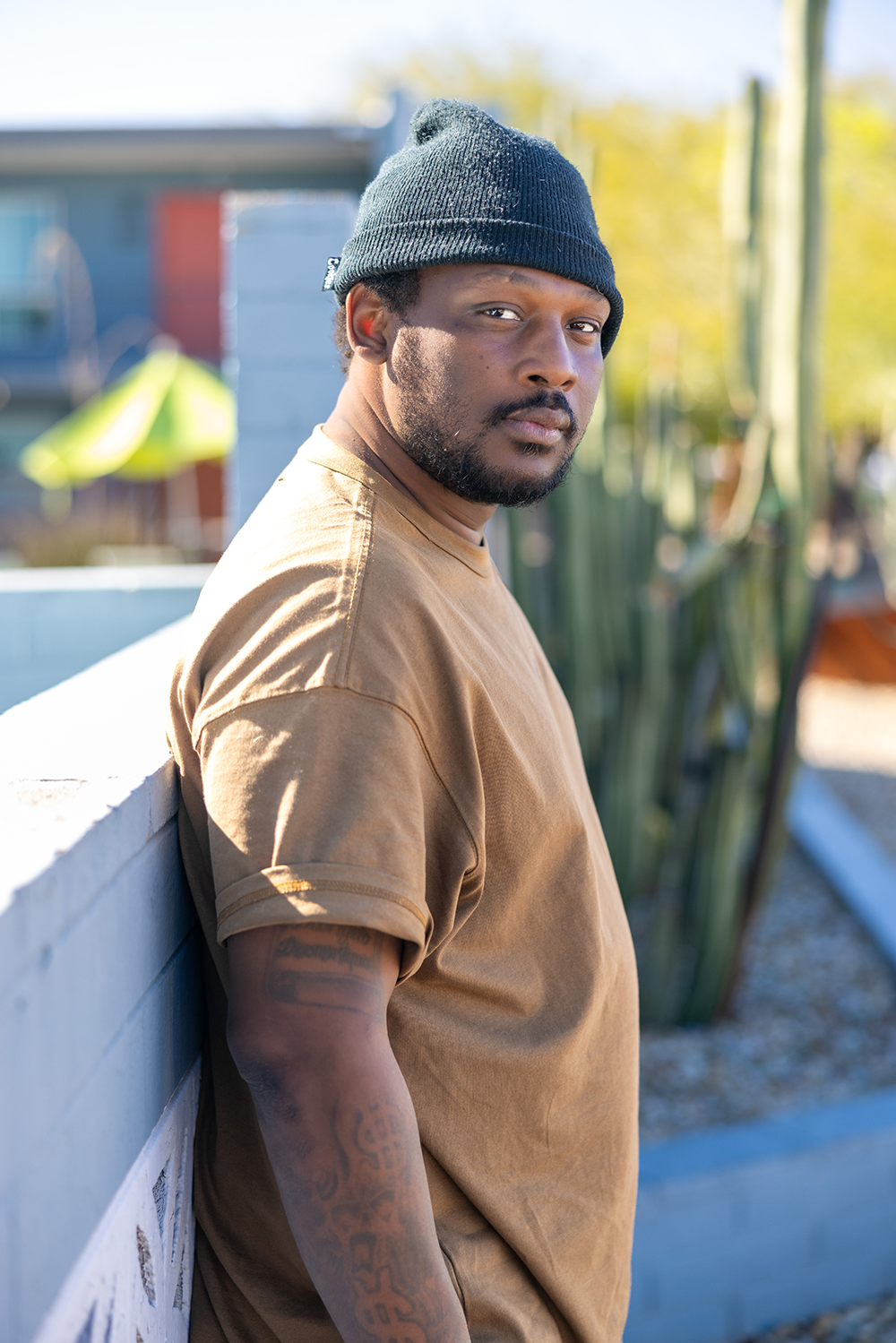
Marcus connects these conditions to how time operates inside pretrial detention.
At one point, he says, he had not yet had his first court appearance. Instead, he describes waiting weeks between scheduled court dates.
“What they do is set the next two, three court dates, 45, 60 days out,” he says.
Court scheduling varies by jurisdiction, and extended timelines in pretrial detention are a common feature of the system, where people can remain incarcerated for weeks or months while awaiting hearings.
“That way you have to sit in the county jail and do nothing,” Marcus says. “That’s how they try to break people.”
Marcus’s case began, he says, with an encounter involving police in a hotel parking lot. He alleges he was searched before being questioned, despite identifying himself as a guest. A firearm was recovered, and he was charged with misconduct involving a weapon.
He spent about twenty days in jail before his bail was paid.
“Y’all bonded me out,” he says of The Bail Project.
For Marcus, the difference between fighting a case from inside jail and from outside is stark.
“If you fight your case from the county jail, you going to jail 90% of the time,” Marcus says. “If you fight from the streets, you going to jail 30% of the time.”
Research does show that people held in pretrial detention are more likely to receive harsher outcomes than those released before trial.
Marcus says the impact of pretrial incarceration extends beyond the courtroom.
The longer someone remains inside, the harder it becomes to maintain stability on the outside.
People lose jobs. Housing becomes unstable. Families are disrupted. The longer someone remains inside, the harder it becomes to maintain stability on the outside. These ripple effects are widely documented in discussions of mass incarceration in the United States and its broader social impact.
“Anybody with a job, you can’t miss 45 consecutive days,” Marcus says.
He also describes broader concerns about fairness and accountability in the criminal justice system, including how allegations of police misconduct are handled. Those claims reflect his personal perspective and have not been independently reviewed here.
But when Marcus talks about jail, he does not treat it as a backdrop. He describes it as an active force shaping outcomes.
Hunger, he says, is constant. Time stretches. Options narrow.
In that environment, a plea deal can begin to feel less like a legal decision and more like a way out.
In that environment, a plea deal can begin to feel less like a legal decision and more like a way out.
That dynamic raises broader questions about due process, the presumption of innocence, and whether people in pretrial detention can meaningfully exercise their right to legal counsel while navigating difficult conditions.
“Me sitting in that county jail, not knowing if I’m gonna get bonded out, already had me getting mentally prepared to go to prison,” he says.
Then he explains what changed.
“Y’all changing that for me,” Marcus says of The Bail Project. “Because now I’m fighting from the streets.”

His case is ongoing. But for now, he is navigating it from outside of jail, where he says the pressure he felt inside – hunger, delay, uncertainty – no longer shapes every decision.
Not because the system has changed, but because, in his case, the conditions no longer control the outcome.
We need your help to secure freedom for people trapped behind bars because of unaffordable bail.
Your support gives hope to the thousands of people still trapped in pretrial detention. We’ve supported more than 40,000 clients through free bail assistance and community-based support services like affordable housing and healthcare, and mental health services. You can help secure the freedom of thousands more.
The Bail Project is a 501(c)(3) nonprofit organization that is only able to provide direct services and sustain systems change work through donations from people like you.