
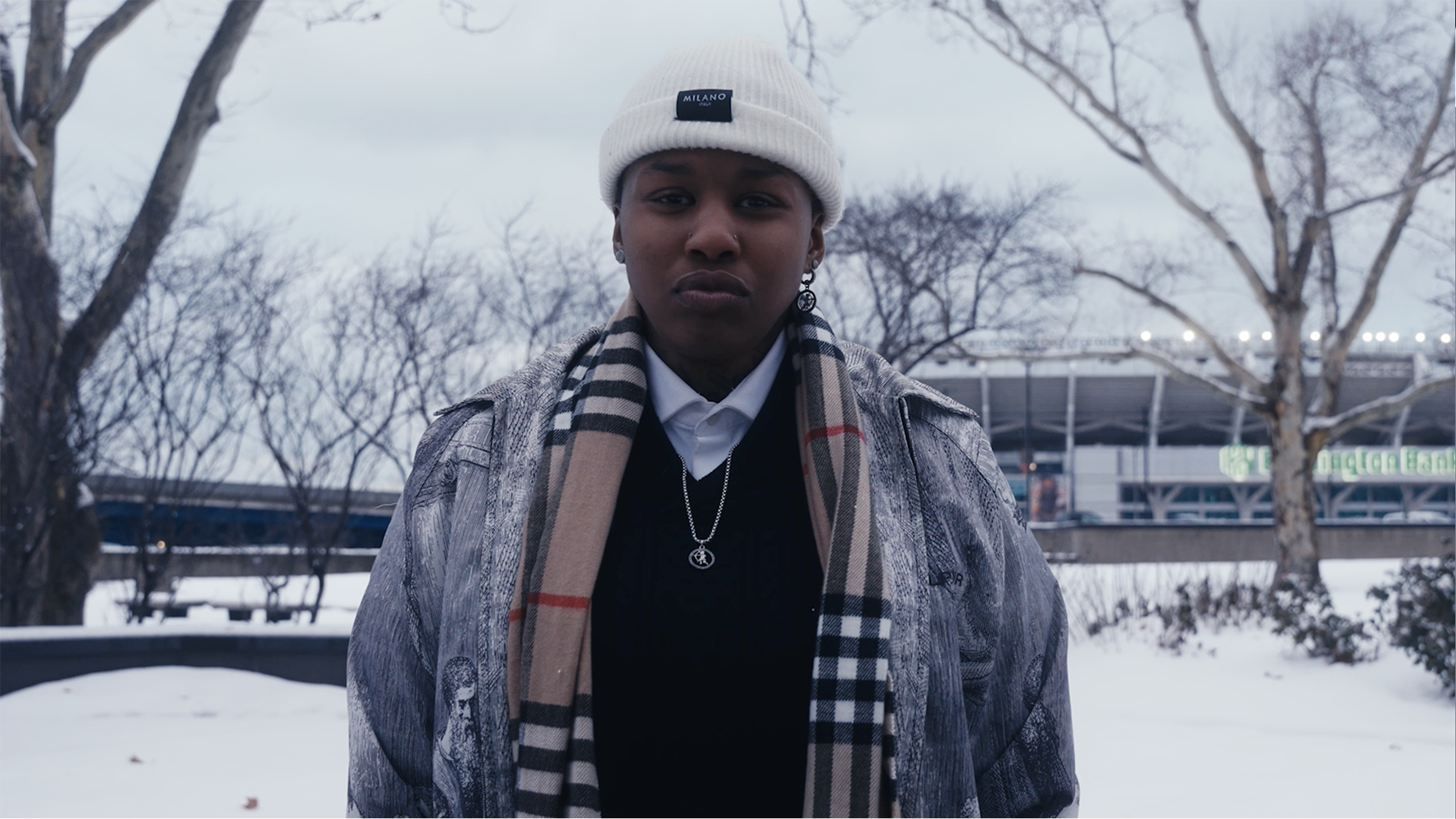
Transcript
I’m excited to be restarting life and getting a second chance to be free again.
My mother taught me to love each other, but I wasn’t able to protect my siblings from her. I’ll have to watch her, you know, verbally abuse, physically abuse. She would look at my siblings as monsters. She had five of my siblings in the same room.
During holidays, they wouldn’t get holiday food. And I would, you know, take some Thanksgiving food up there. Sometimes she stopped celebrating some of my siblings’ birthdays.
With all of that going on, you know, it affects your mental health in a way. You can’t change your mental health. You know what I’m saying? But what you can change is how you deal with it.
I used to be very aggressive. I used to be very angry at life and things that – that life brought me, that I feel like was unfair.
I got into a lot of things that changed Dasia a little bit – that made me lose my identity a little bit. Getting into drugs, getting into drinking, you know, we are so young, trying to grow and trying to numb that pain. In these last three years, I just been letting God give me back what I’ve lost. Because some of the trauma will make you forget.
I had to sit down and recollect my mental health. I had to remember who I wanted Dasia to be. She’s fighting to be better. She’s fighting to grow. She’s fighting to become who God wants her to be.
Going to jail – it was the most humbling experience. After, like, the first night of me realizing – okay – Dasia, you here because of yourself. This is the effect. What are you going to do with it? And I had to tell myself I can still make an impact here.
I hosted a whole poetry night in there and had everybody being able to express themselves in a way that I feel like they didn’t think they could. You know, they didn’t think that their art was worthy enough. And even the CO, you know, jumped in and shared her talent with us. And that was just beautiful for me.
I’ve worked so hard to not make my identity a felon. That was a bad day. That don’t make me a bad person, you know. And I think people need to know that even when you go through everything that you have to go through to become yourself. And they called it a damaged person. Broken crayons still color.
The CO, she told me – she said – you have a video call with The Bail Project. Miss Danielle is her name. And I get on there. She tells me, we did everything that we told you that we were going to do. We’re able to get you out tonight. And that just touched me. She said, put my number in and just let us know what’s going on.
And I have since. You really stuck on your word. You really are here to help. You know, I don’t want to be a burden. But The Bail Project they don’t look at you as a burden. They look at you as somebody who deserves the help. Somebody who deserves a second chance in life. Somebody who is there to keep going. Keep hope in a world full of chaos. That is what’s going to lead you to where you want to be – and the people that you want to be in the rooms that you never thought that you would be in – and change your narrative.
Sometimes the first impression is all you get with somebody, and they get stuck with that. Not – not The Bail Project. They look at you as a whole.
Giving back to me words that are slightly tainted.
Copy my masterpieces. You call it inspired, but deep
rooted you really hate me. After all the years
I paid you back by giving attention to the mask
that you wore in front of those that couldn’t people front.
Wish you’d take it off to breathe. Your life means more
to me than a lost apology you refuse to release.
Once a correctional officer, later jailed, Dasia experienced the system from both sides. Her story is a testament to growth, accountability, and the power of a second chance.
When Dasia describes the night she went to jail, her voice is steady but layered with reflection. “It was just a thoughtless night,” she says. “I was under the influence and heavily triggered.” She had just finished a shift at work and was riding with a friend when police pulled them over. Officers approached the passenger side – her side – and ran her name. A warrant appeared in their system: driving under suspension and a missed court date she says she never knew about because the notice went to the wrong address.
“Sometimes the first impression is all you get with somebody, and they get stuck with that.”
That was the beginning of twelve days in jail, on a $250 bail, that changed her life.
“I kind of felt violated,” she recalls. Two male correctional officers searched her, unzipping her hoodie despite her protests. Later, in custody, angry and intoxicated, she flooded the toilet in her pod. “It was like an out of body situation,” she says. “I was so mad they wouldn’t let me make a phone call. I could’ve bonded out that night.” Instead, she stayed in jail nearly two weeks – days that, she says, became a humbling experience and a turning point.
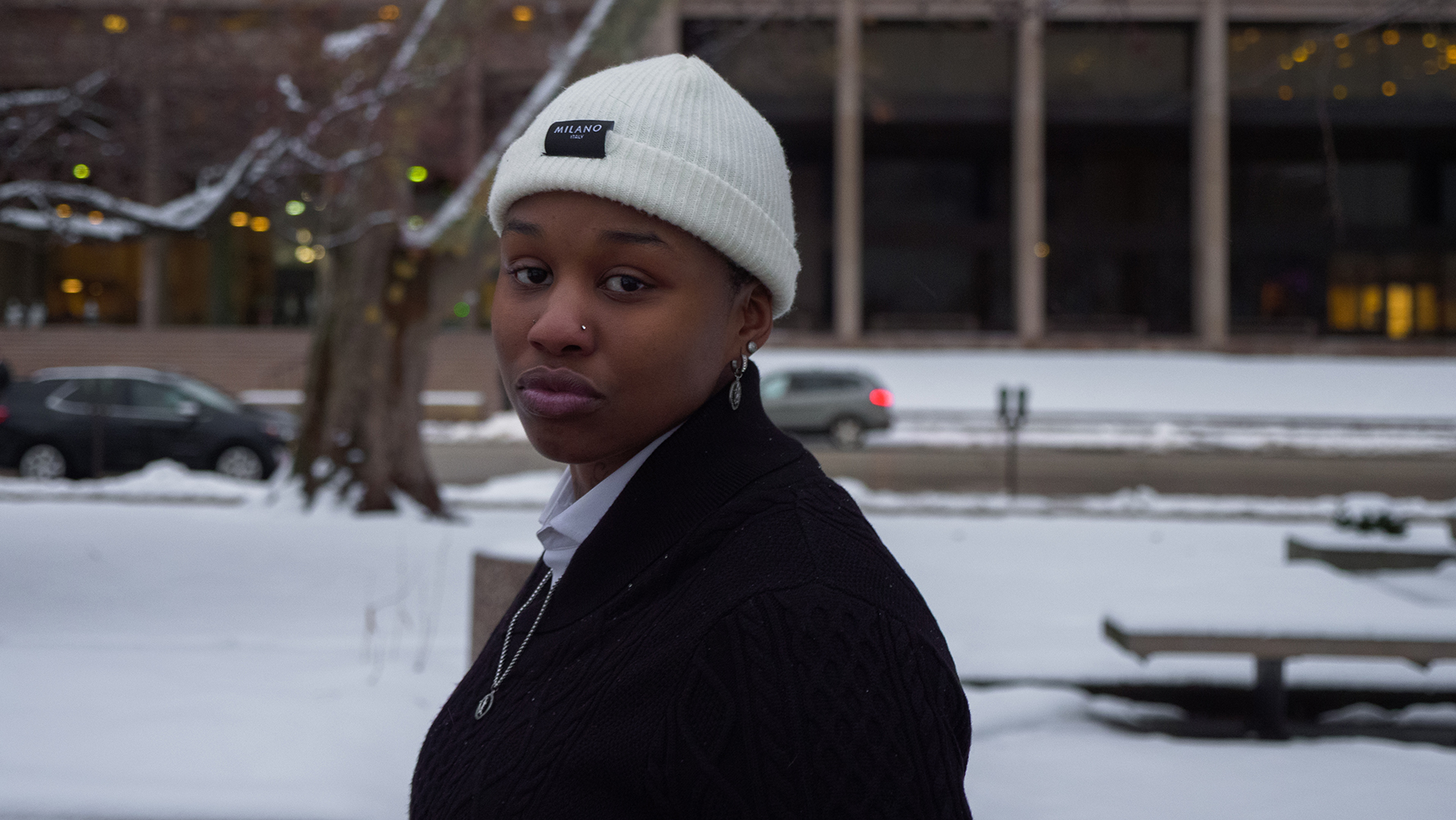
It wasn’t her first time in a jail. At 21, she’d worked as a correctional officer in the same facility. “When you’re a CO, you’re honored,” she says. “You’re important. But being an inmate – you go from feeling righteous to feeling like a peasant.”
Still, she refused to let that experience define her. “I spoke life into the other inmates,” she says. “We’d talk, and I’d try to broaden people’s perspective about what we were going through. It wasn’t just for them – it was for me, too.”
Dasia has lived with mental health challenges most of her life. “What people don’t know,” she says, “is that without being under a substance, sometimes it feels like you are anyway.” She recognizes that her behavior that night came from a place of pain and confusion, not malice. Still, she takes responsibility. “Even with mental health, you’ve got to present yourself in a way people can honor.”
“Broken crayons still color.”
Inside, she also saw how unevenly people were treated. “I got into it with one of the COs,” she recalls. “She was calling inmates out their name, cussing at them. I had to remind her, that’s not part of your job description. You don’t get paid for that.” Her interaction with the correctional officer, she says, helped shift the tone in the pod. “She told me, ‘You won.’ I said, no, I’m behind this cage. I didn’t win anything. I just need you to stop treating people like that.”
She remembers feeling lost, without anyone to call – until a counselor referred her to The Bail Project. “When I got to talk to them, it was a breath of fresh air,” she says. “She told me she was working to get me out. And sure enough, I got released that day.”
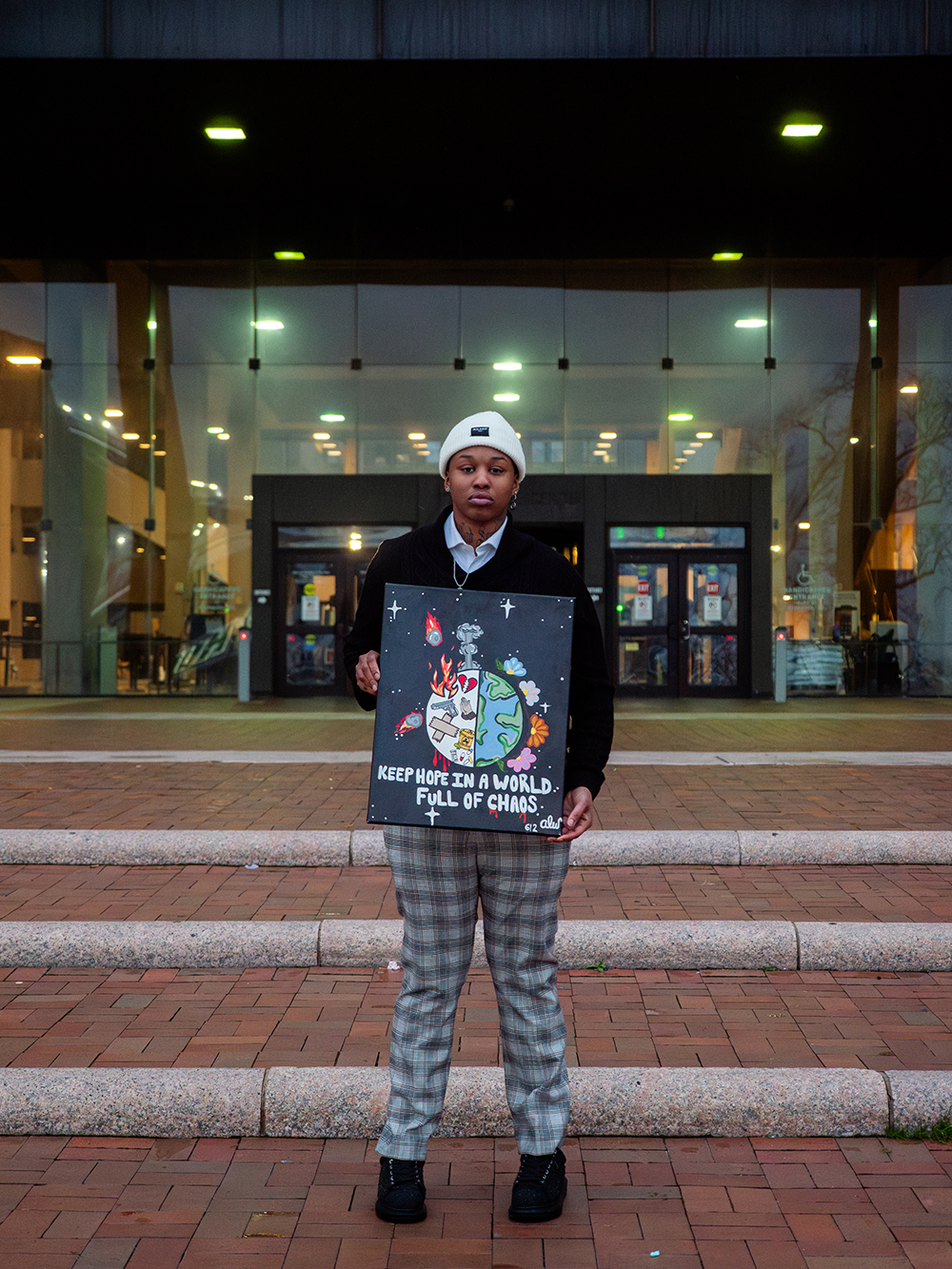
Freedom didn’t erase the damage. The case kept her from working for nearly a year, and the stigma of incarceration has followed her, making it hard to get a job. “I’m a hard worker,” she says. “All I’ve ever known is to work. But God’s been telling me this is a season to be still, to listen, to recenter.”
Through it all, she says, The Bail Project has been a lifeline. “They’ve helped me with resources and given me advice when I’m in error. They challenge me to grow. That’s how you become the best version of yourself – by having people who really care.”
“I’m excited to be restarting life and getting a second chance to be free again.”
Dasia wants to return that care someday. “If I could, I’d do what they do,” she says. “It takes patience and purpose. They’re selfless. They help people restart.”
She pauses before adding, softly, “It helps me remember who I am – and that it’s never too late to start over.”
We need your help to secure freedom for people trapped behind bars because of unaffordable bail.
Your support gives hope to the thousands of people still trapped in pretrial detention. We’ve supported more than 40,000 clients through free bail assistance and community-based support services like affordable housing and healthcare, and mental health services. You can help secure the freedom of thousands more.
The Bail Project is a 501(c)(3) nonprofit organization that is only able to provide direct services and sustain systems change work through donations from people like you.