







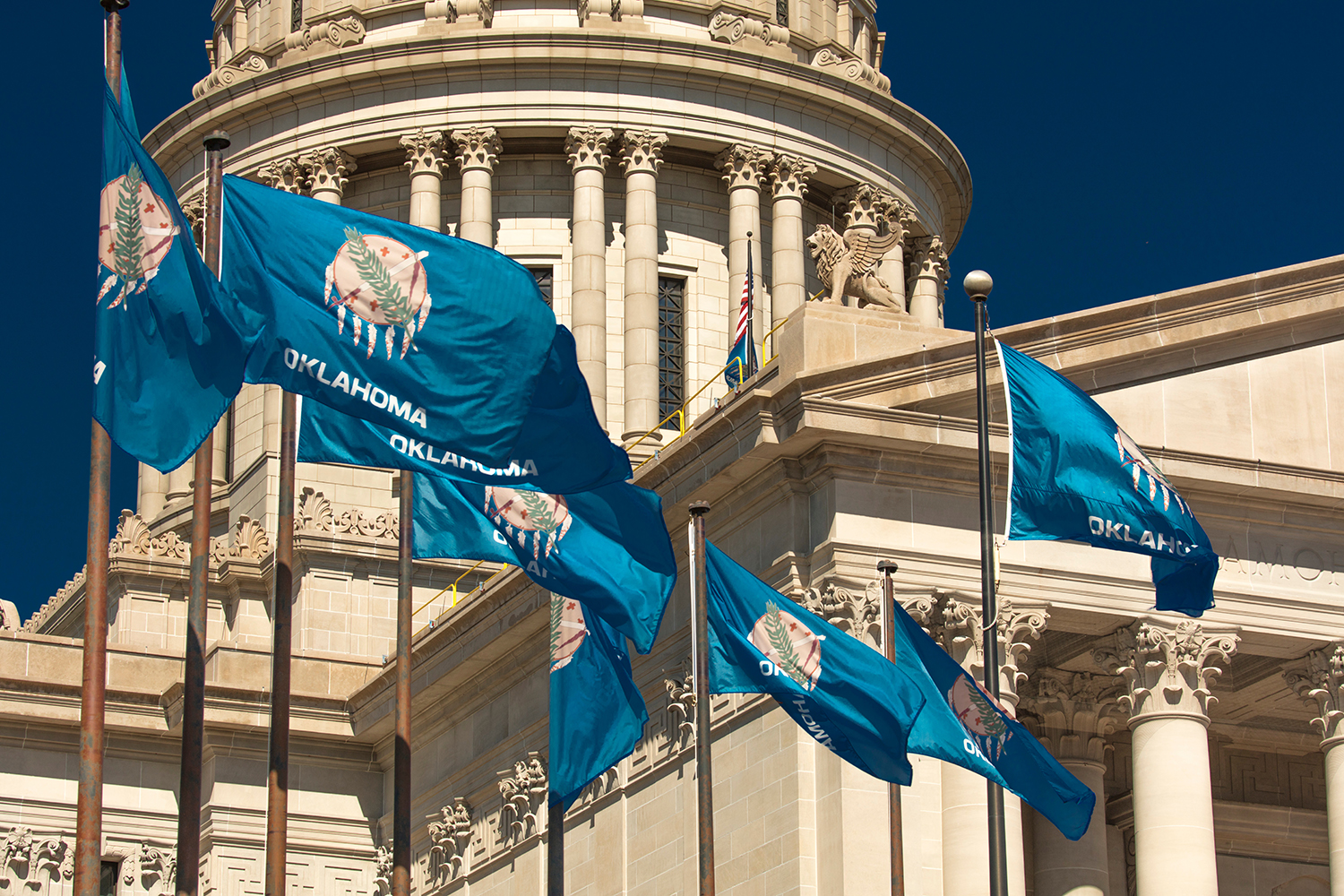
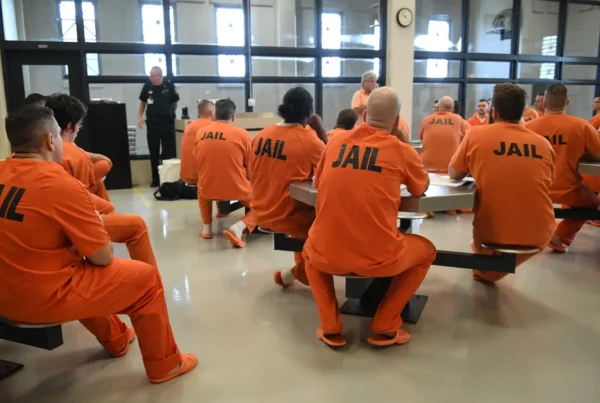
Oklahoma is facing a pretrial incarceration crisis. On any given day, more than 9,000 Oklahomans sit in local jails – nearly 70% of them legally innocent and jailed simply while awaiting their day in court. This broken system erodes due process, worsens racial disparities, destabilizes families, overcrowds jails, and costs taxpayers millions – all while failing to improve public safety.
In addition to an overreliance on cash bail, there are three key factors that contribute to this crisis:
- Insufficient Access to Counsel: In some jurisdictions, Oklahomans who are unable to afford a lawyer wait as long as 90 days after arrest to be appointed counsel. These delays leave people unrepresented at their initial hearing, where they are more likely to be detained pretrial and face unaffordable bail amounts.
- Lengthy Jail Stays: Throughout much of Oklahoma, individuals sit in jail for over a week before they even see a judge. These delays make it impossible for judges to make timely decisions about release and increase jail costs shouldered by taxpayers.
- Punishing Missed Appearances: Across the state, jails are filled with people who pose no risk of flight or danger, but who simply missed their court appearance. In 2022, over 14% of jail bookings were related to a failure to appear in court. In Tulsa County alone, jailing Oklahomans for these failures to appear cost taxpayers nearly $1.2 million.
Fortunately, Oklahoma has a proven, common-sense path forward: The Pretrial Procedures Modernization Act. Introduced in February, this Act (SB 1831) would guarantee access to counsel at bail hearings, move cases quickly, and use court reminders to ensure people return to court safely and efficiently.
More About the Pretrial Procedures Modernization Act (SB 1381)
SB 1381 proposes reforms to Oklahoma’s pretrial system that would improve due process protections and court appearance rates. Specifically, SB 1381 would:
- Ensure Access to Counsel: SB 1381 establishes that defendants have the right to counsel at an initial criminal hearing and the right to consult privately with their counsel prior to and during the hearing.
- Require Timely Bail Hearings: SB 1381 requires initial hearings to be held within 48 hours of arrest on weekdays and 72 hours on weekends or holidays.
- Increasing Awareness of Court Reminders: SB 1381 requires courts to inform defendants of the availability of court reminders and provide support in signing up for these reminders.
Oklahomans, Your Voice Will Make a Difference
You elect legislators to be the voice of your community, which means your voice matters. Lawmakers pay attention when they hear directly from their constituents.
This bill is a vital step towards creating a pretrial system where all Oklahomans are treated fairly. The time to act is now.
How to Take Action
If you’re a constituent of one of the following state senators, click this link to email them:
- State Senator Brent Howard (District 38)
- State Senator Todd Gollihare (District 12)
- State Senator Mary Boren (District 16)
- State Senator Michael Brooks (District 44)
- State Senator Darcy Jech (District 26)
- State Senator Paul Rosino (District 45)
- State Senator Shane Jett (District 17)
- State Senator Lisa Standridge (District 15)
Oklahomans deserve a pretrial system that treats everyone with dignity – one that honors the presumption of innocence, upholds individual rights, and improves community safety. Email your Oklahoma lawmakers today, and urge them to vote YES on SB 1381.
If you are unsure who your state senator is, visit this website to search for them by zip code.
Status Update
SB 1381 successfully passed out of the Oklahoma Senate during the 2026 legislative session with nearly unanimous approval. While the bill did not make it out of the House, it received substantial support from lawmakers, advocates, and constituents alike, demonstrating a deep desire amongst Oklahomans to improve their pretrial system.
Thank you to everyone who took action to support this vital reform. By encouraging your representatives to take this issue seriously, your voice made a difference. We hope to see the legislature advance similar reforms aimed at strengthening due process and reducing pretrial detention in the future. Until then, the fight for a safer, fairer pretrial system in Oklahoma continues!
We need your help to secure freedom for people trapped behind bars because of unaffordable bail.
Your support gives hope to the thousands of people still trapped in pretrial detention. We’ve supported more than 40,000 clients through free bail assistance and community-based support services like affordable housing and healthcare, and mental health services. You can help secure the freedom of thousands more.
The Bail Project is a 501(c)(3) nonprofit organization that is only able to provide direct services and sustain systems change work through donations from people like you.



Inquest: “How the War on Drugs Packed Jails”