
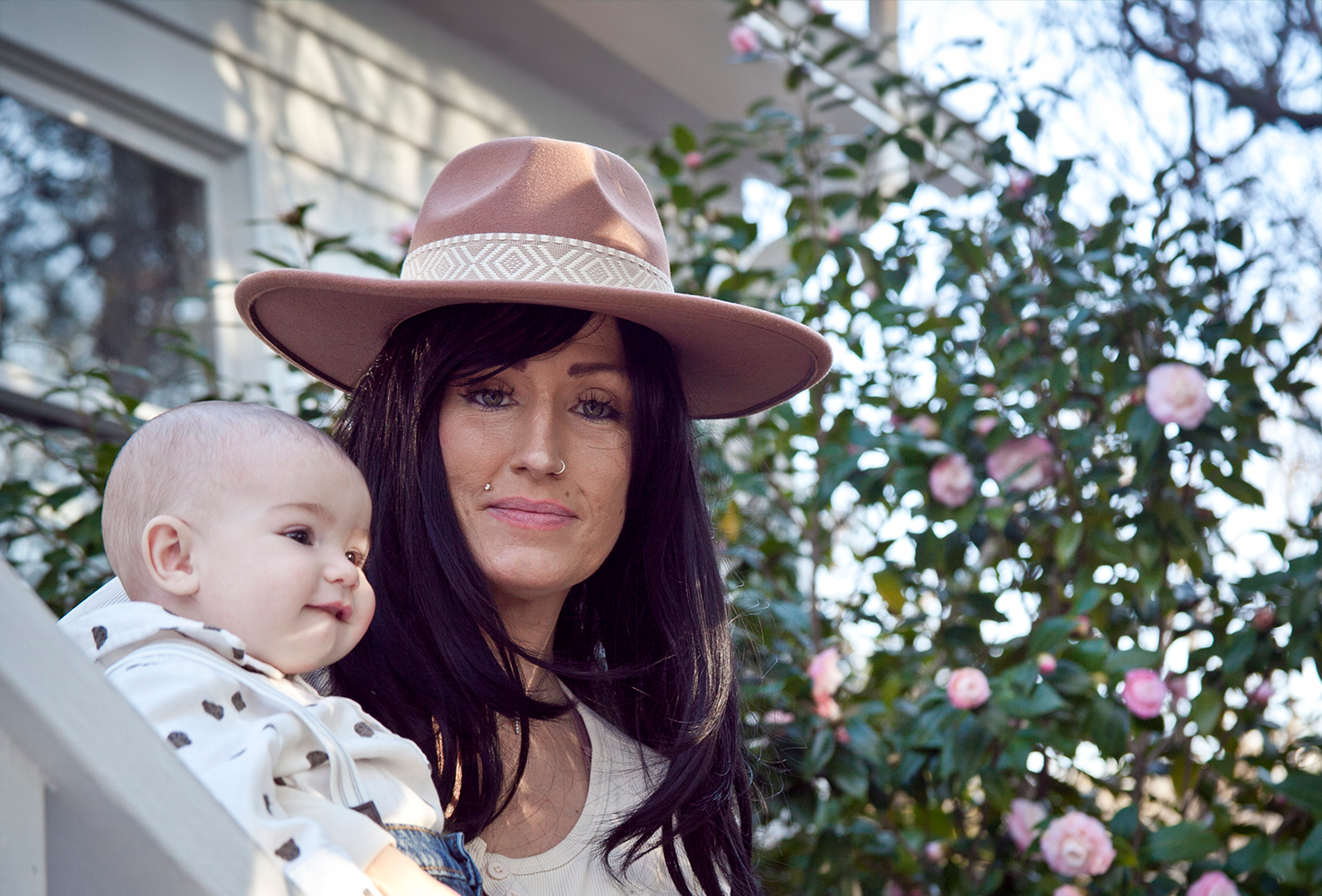
Jail took six months of Amber’s life. Recovery is taking longer. What made the difference was being seen as a whole person, not a single decision.
Amber does not begin her story with a crime. She begins it with love and loss. Grief, pain, and dependence collapsing into a single force that narrowed her choices until survival logic took over.
“I didn’t do drugs until I was 23 years old,” she says. Her first love died. Then came surgery. Then a prescription for pain pills. “I was just taking my prescription medicine,” she explains. “Well then I became addicted.”
When the pills ran out, withdrawal set in. When she could no longer afford them, heroin followed. What she describes is not recklessness but momentum.
Amber borrowed her brother’s truck without asking. She planned to bring it back. “That is stealing,” she says plainly. “I know that.” Five years later, she still does not minimize it. But she wants people to understand the context. “I was supposed to be going to rehab that day. That’s the only reason I was at my parents’ house.”
Instead of treatment, she spent six months in jail.
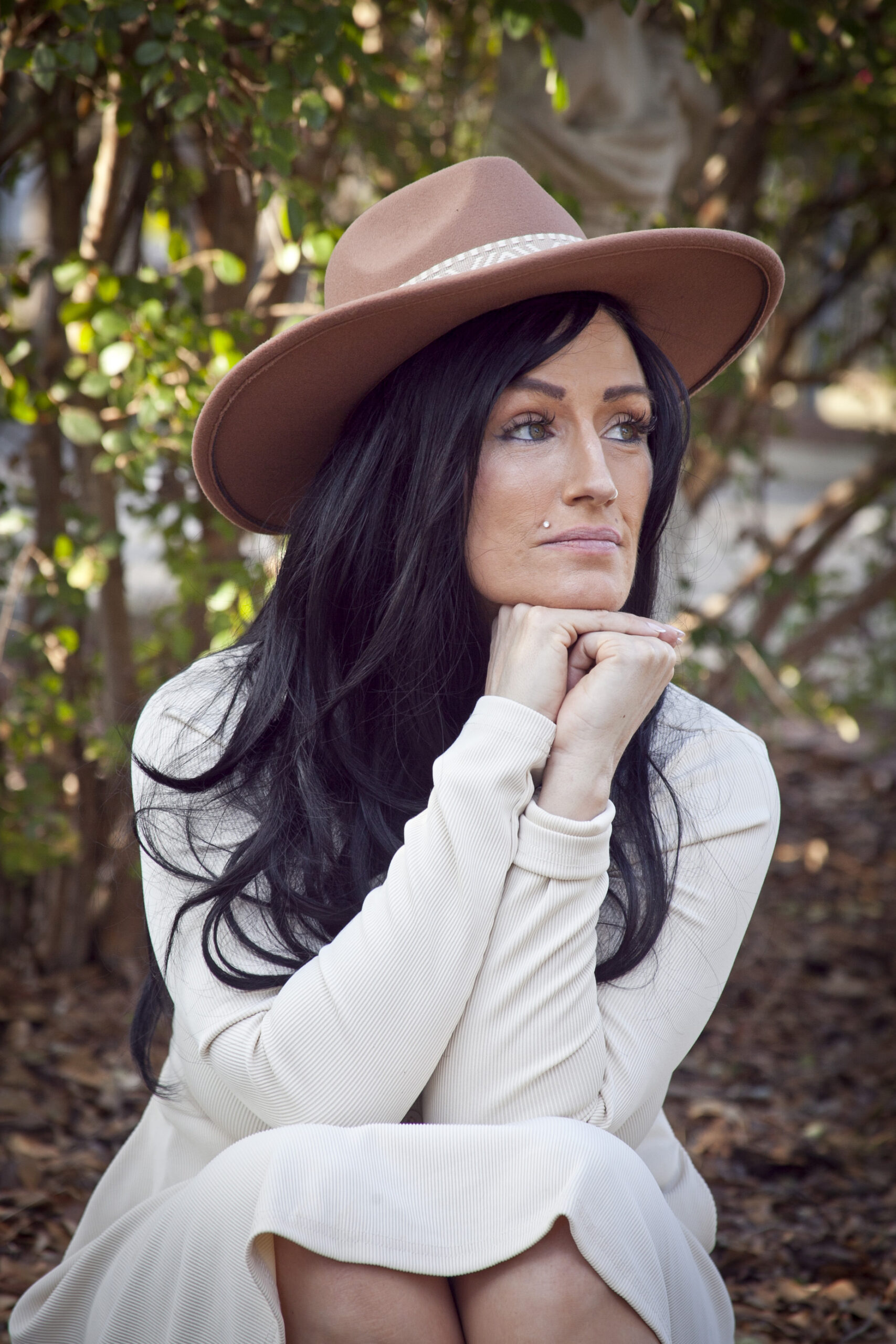
“I didn’t have a release date. My family didn’t have the money to bond me out.”
“I didn’t have a release date,” she says. “My family didn’t have the money to bond me out.” What followed was not simply confinement, but suspension. Rehab delayed. Life paused. Hope thinned by uncertainty.
Atlanta’s Fulton County Jail was brutal. “Physically, it’s horrid,” Amber says. “When you get there, it’s freezing cold. You don’t shower for five days. You’re in a holding cell with 30 to 50 people.” Toilets overflowed. Toilet paper was rationed. People experiencing mental health crises sat inches away. “It’s just disgusting,” she says. “Horrid.”
She was jumped by other women. Her commissary was stolen. “I filled out grievances. Nothing was done,” she says.
She also went through withdrawal without medical care. “Oh no,” she says when asked if she received help. “No. No. No.” She remembers nausea, vomiting, sleeplessness, hot and cold sweats. “It was horrible.” Addiction was treated as a moral failure rather than a medical condition, and suffering as a given.
Amber’s experience unfolded inside a jail system strained by overcrowding and driven less by risk than by money. According to a 2025 analysis by the ACLU of Georgia, large numbers of people in Fulton County Jail remain detained simply because they cannot afford bail – sometimes amounts as low as a few hundred dollars – and many are held for months without indictment. As cases stall, treatment is delayed, health deteriorates, and lives are suspended. Pretrial detention, the report makes clear, often becomes punishment itself, even for low-level, nonviolent charges.
Still, Amber resists flattening herself into a single chapter. “When it comes down to it, I have a good heart,” she says. “I just got mixed up with the wrong people, the wrong things, and made the wrong choices.” What she is asking for is not absolution, but recognition. That a person can do harm and still be more than the harm they caused.
In jail, she made a choice about who she would be. “I put in a request for my Bible,” she says. “I put in time and dedication to use that time to learn.” Others coped by forming cliques or seeking protection. Amber turned inward. “Everything, good or bad, it paves the way and makes me who I am today,” she says.
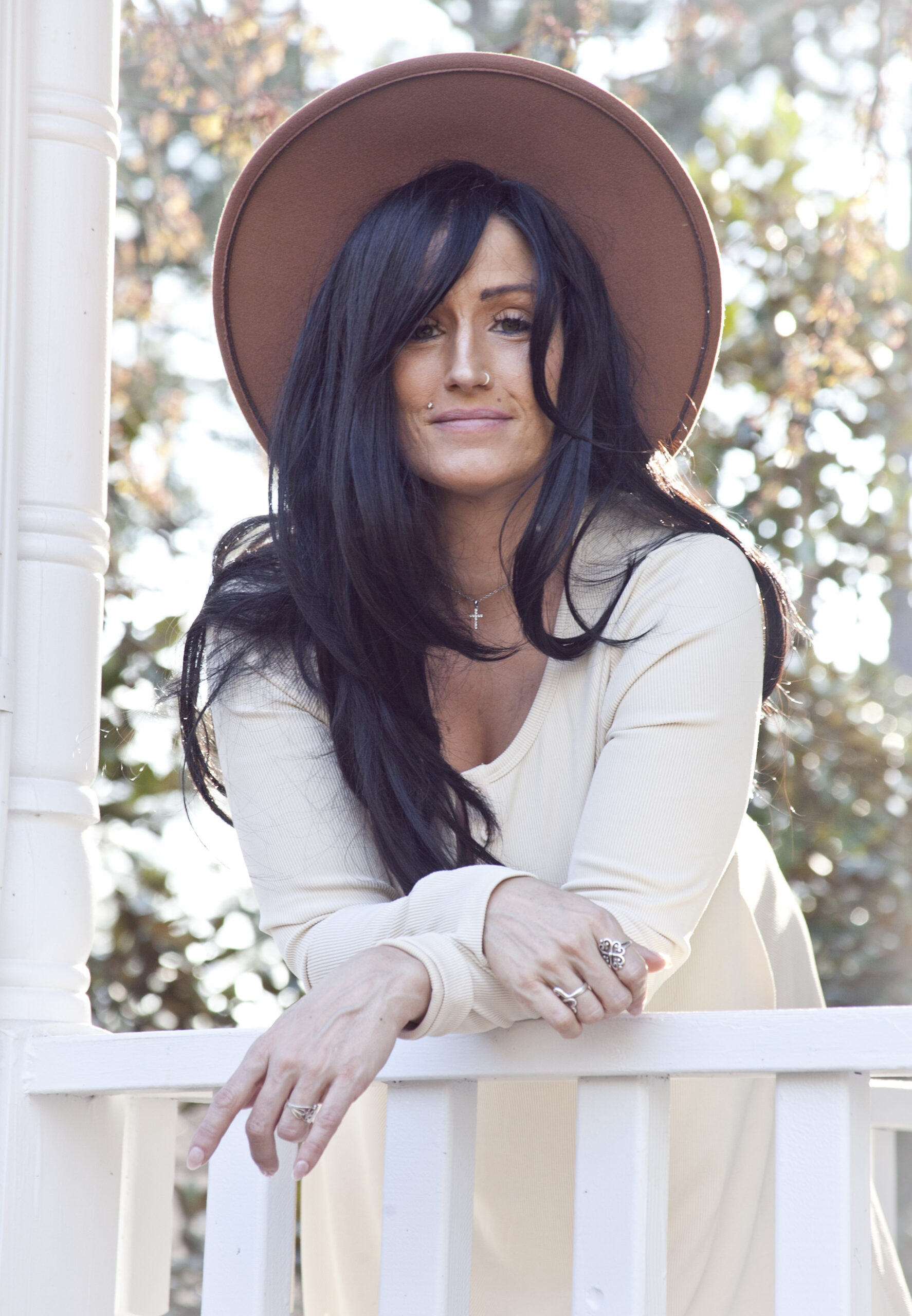
When she finally connected with help, it came through people willing to see beyond the charge. Her family vouched for her. A caseworker believed her. The Bail Project bonded her out. “Just having a bunch of people understand the desperation I was at,” she says. “Knowing that yes, I made mistakes, but that is not who I am.”
“It really helped me. People believing in me.”
That belief mattered. “It really helped me,” she says. “People believing in me.”
Freedom alone was not the miracle. Structure was. Rehab was already lined up. Recovery had rules. “If you go back to the old places and old friends, you know the outcome,” she says. She learned that addiction recovery is not an idea but a daily practice. Meetings. Working steps with a sponsor. “Devotion to God,” according to Amber. Community. Daily work.
Amber recently became a mother and today lives in “mommy and me” sober housing with her child. “I value my freedom now,” she says. “I value my days.” Her baby sleeps nearby as she talks. The future has weight now.
She is enrolled in parenting and financial literacy classes. She attends bible study regularly and is in touch with her probation officer and public defender about pending cases. “I’m still dealing with the wreckage of my past,” she says. “Even though I’m making the best choices, there are still things I have to be accountable to.” Accountability, for her, is not shame. It is ownership paired with faith. “I know God’s got me,” she says. “He will work all things together.”
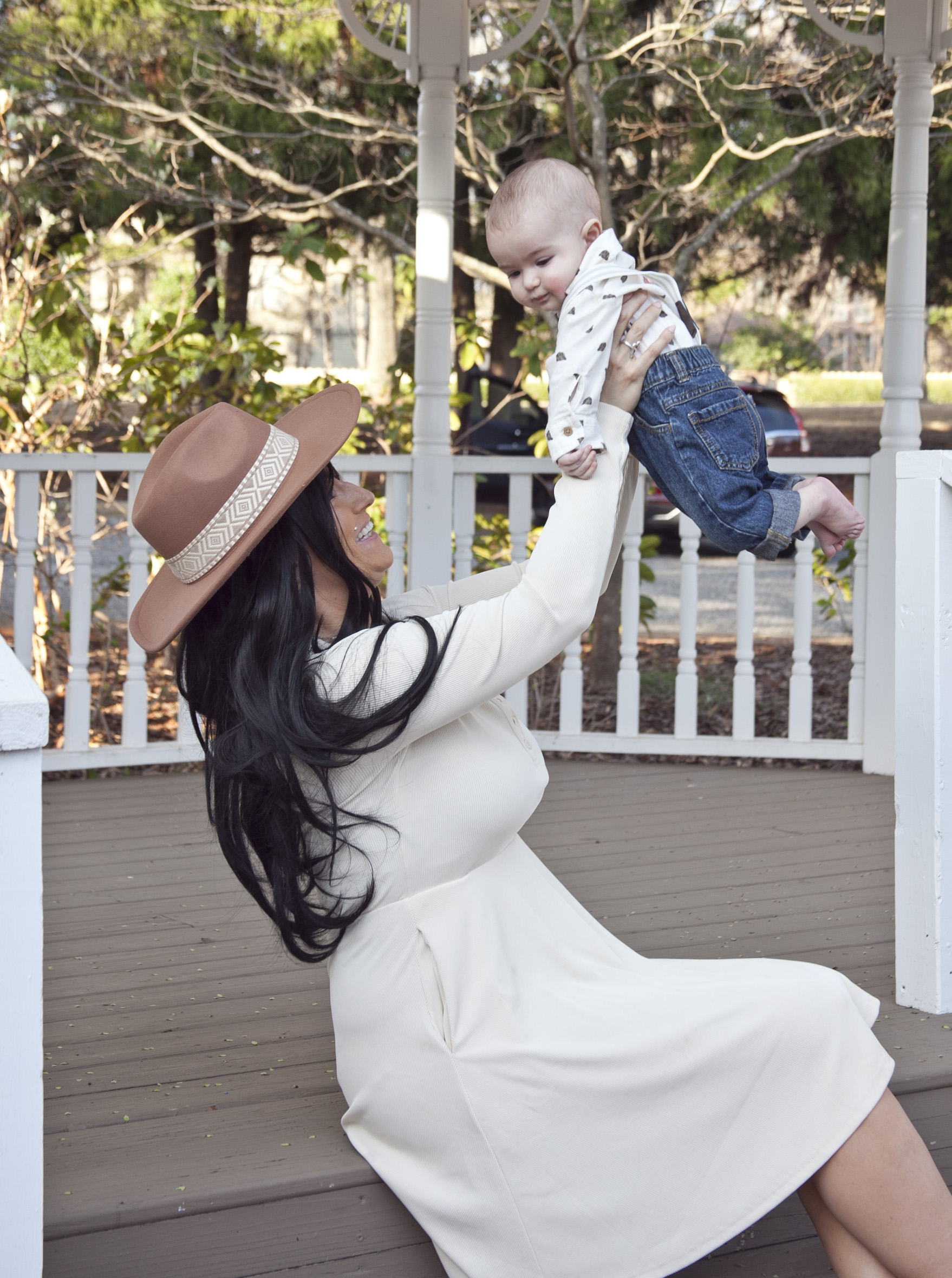
Amber wants the system to do more than open the jail door. She talks about exit plans. Transportation. Rehab placement. Addiction recovery. Housing. IDs. Food assistance. “Some people want it with all their heart,” she says, “and they just don’t have the tools.” Without support, hope collapses into resignation.
What saved her was not punishment, but possibility. Someone seeing her as more than her worst moment and acting on that belief.
“I’m in control of my future now.”
“I’m in control of my future now,” Amber says. It is not a declaration of arrival, but direction. A life still being built. A woman still clearing wreckage. A mother determined that her story will not end where it once threatened to.
“‘The pit I was in became a platform,” she says.
We need your help to secure freedom for people trapped behind bars because of unaffordable bail.
Your support gives hope to the thousands of people still trapped in pretrial detention. We’ve supported more than 40,000 clients through free bail assistance and community-based support services like affordable housing and healthcare, and mental health services. You can help secure the freedom of thousands more.
The Bail Project is a 501(c)(3) nonprofit organization that is only able to provide direct services and sustain systems change work through donations from people like you.