
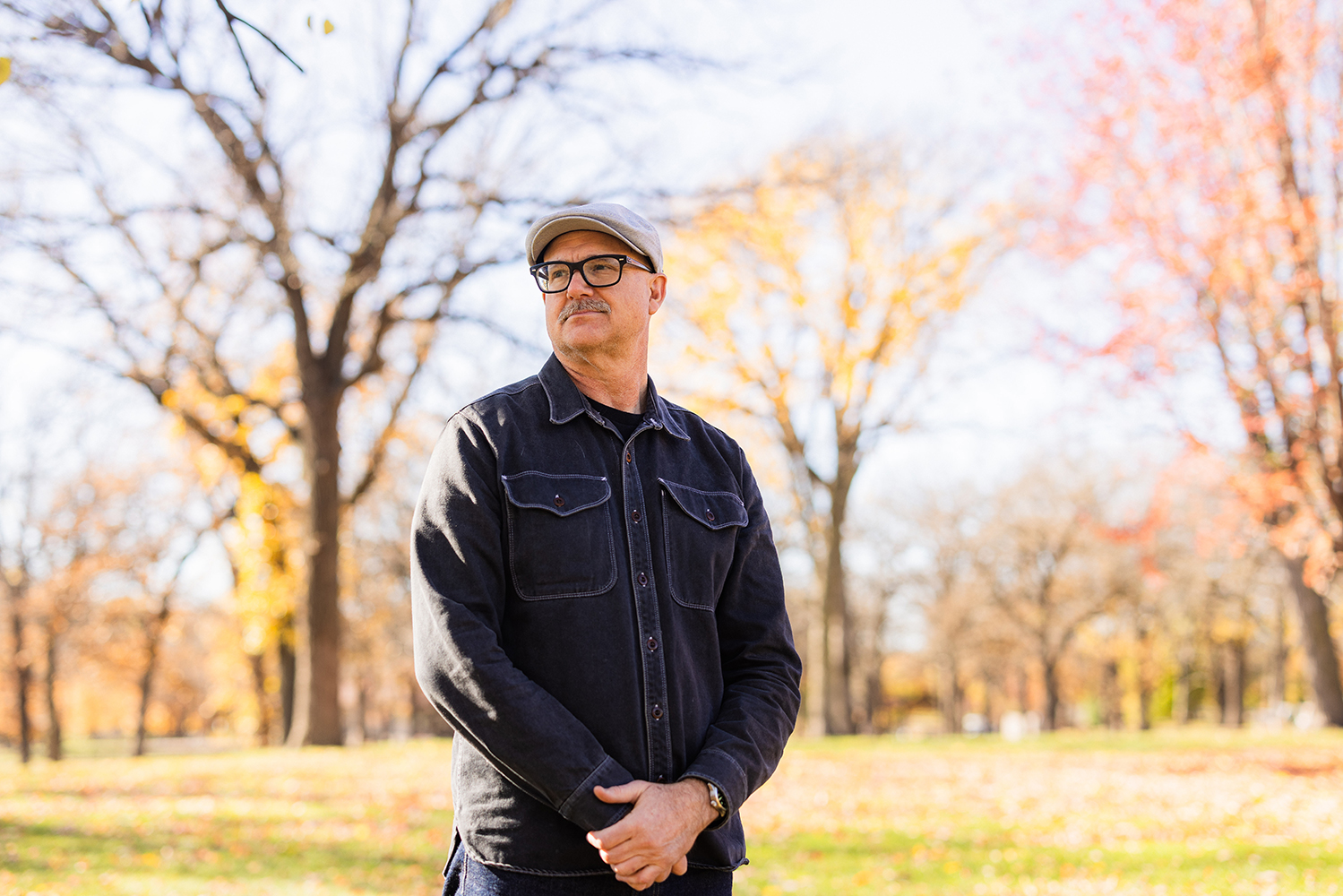
Sociologist Joshua Page on how cash bail traps families in debt while feeding government and corporate profit.
For decades, as a professor of sociology and law at the University of Minnesota, Joshua Page has studied the hidden machinery of the criminal justice system – how it polices, punishes, and profits. The author of The Toughest Beat and coauthor of Breaking the Pendulum, his latest book with Joe Sloss, Legal Plunder, argues that courts, prisons, and police have been remade to extract money from those they target – draining poor communities while enriching government agencies and private corporations.
In this conversation with The Bail Project, Page unpacks how cash bail fuels financial extraction in the pretrial process, why eliminating commercial bail bonds isn’t enough, and what it really means when courts themselves profit from keeping people in legal limbo. He also speaks to the human toll – on families, especially women of color – who shoulder the financial and emotional weight of the bail industry. The conversation was edited and condensed for clarity.
Let’s start simple. Why do you say cash bail is the key to how money gets pulled out of the pretrial system?
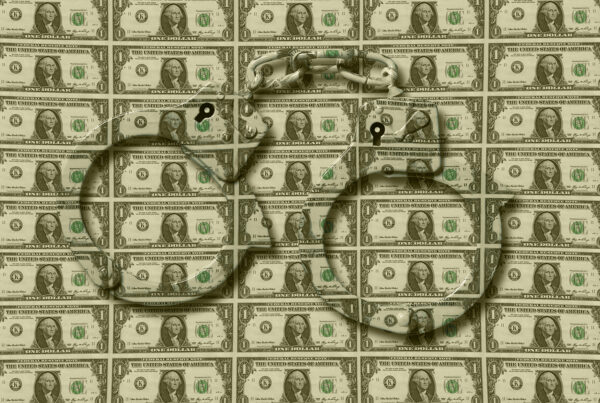
Joshua Page: Cash bail is the engine that makes the whole thing run. Without it, the bail bond industry would not exist. Judges often set bail amounts beyond people’s ability to pay them. That forces families to turn to bail bond companies, which then turn a profit. Some counties even add their own fees, such as charging people a percentage just to post bail. Anytime someone argues for cash bail, they are really supporting a system designed to take money from people who already have very little.
How do you describe bail bonds to people who’ve never had dealt with them?
Joshua Page: Bail bonds are like payday loans. Both solve an immediate problem such as getting out of jail or paying rent, but at a huge cost. Families may feel relieved to post bail, but that does not change the fact that the system forced them into an exploitative arrangement.
Some states, like Illinois and Kentucky, do not allow bail bond companies. How does money still get pulled out of people there?
Joshua Page: Even when bond companies are not allowed, courts often step in. In Illinois, before cash bail was eliminated, people had to pay their bail directly to the court. The court added a fee and kept part of it, which brought in about $15 million a year statewide. Courts also charge for things like electronic monitoring, drug testing, and probation. Some even charge people for using a public defender. So the money extraction does not stop just because commercial bail is banned.
Isn’t it a conflict of interest if courts and governments make money this way?
Joshua Page: Yes, it is. When governments depend on criminal legal fees and fines to fund themselves, they have an incentive to keep charging people more. We saw this in Ferguson, Missouri, where city officials pressured police to bring in revenue. That kind of setup threatens fairness and justice, as Joe and I argue in Legal Plunder.

Supporters say cash bail “works” because it makes people show up in court. What do you think?
Joshua Page: That is a myth. People usually miss court for everyday reasons such as missing the bus, having to work, or needing childcare. Studies show that simple reminders by text or phone and other supportive services are more effective than cash bail at helping people show up for court. In places like New Jersey, when they cut out most cash bail, court appearance rates actually improved. There is no good evidence that charging people money makes them more likely to appear.
Who usually ends up paying for bail bonds?
Joshua Page: Families, especially women. Mothers, grandmothers, sisters, and girlfriends are the ones who co-sign contracts and pay fees. Bail agents know this, which is why they often go straight to “get mom’s number.” Women already do most of the caregiving in families, and bail just adds another heavy responsibility onto them.
Are there other groups hit worse by bail?
Joshua Page: Bail disproportionately impacts low-income communities of color. Black and Latino men are more likely to be arrested and given higher bail amounts than white defendants. That means their families, often women of color, are the ones paying. Race, gender, and class combine to ensure that the people with the least money carry the biggest burden.
What effect does cash bail have on these families?
Joshua Page: The consequences are severe. Families must choose between paying bail and covering rent, food, or school clothes. Some take out risky loans while others drain their savings. Co-signing bail can also trap people in difficult relationships. I met women who did not want to be financially tied to defendants, sometimes even when they were victims themselves, but felt forced to act for the sake of children or under pressure from family.
Critics argue that without cash bail, public safety will suffer. What does the research say?
Joshua Page: The evidence does not support that claim. Bail bond companies do not supervise people or connect them with help. They only care if someone misses court or doesn’t pay their bill. The only way cash bail keeps people from committing crimes is by keeping poor people in jail because they cannot afford release. Wealthier people, regardless of the danger they pose, can always buy their freedom. In states that have reduced or ended cash bail, pretrial crime has not increased. Appearance rates and public safety have held steady.
Should cash bail be reformed or completely eliminated?
Joshua Page: It should be eliminated. People do not need money hanging over their head to show up in court. Judges should release them. For the small group who might pose a real risk to harm themselves or others, or not show up for their hearings, courts can hold hearings to determine if they should be detained, or connect them with pretrial services that provide support. But we have to be careful. Ending bail should not lead to more people being locked up before trial.
Is there a bigger moral question here?
Joshua Page: We need to ask whether we really want a justice system that treats freedom like something you can buy. Right now, the system pulls money out of poor communities, especially from women of color, just to keep itself running. That is not justice. That is exploitation.
We need your help to secure freedom for people trapped behind bars because of unaffordable bail.
Your support gives hope to the thousands of people still trapped in pretrial detention. We’ve supported more than 40,000 clients through free bail assistance and community-based support services like affordable housing and healthcare, and mental health services. You can help secure the freedom of thousands more.
The Bail Project is a 501(c)(3) nonprofit organization that is only able to provide direct services and sustain systems change work through donations from people like you.