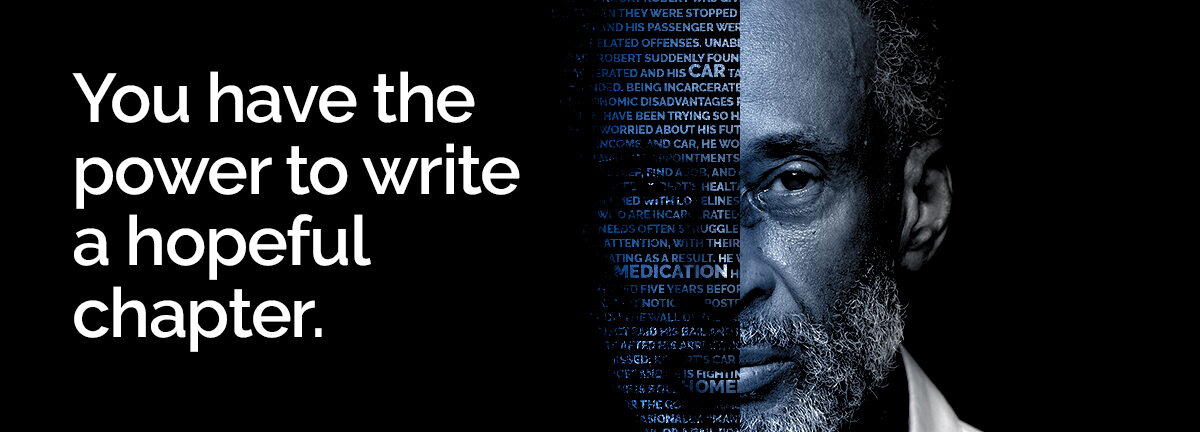
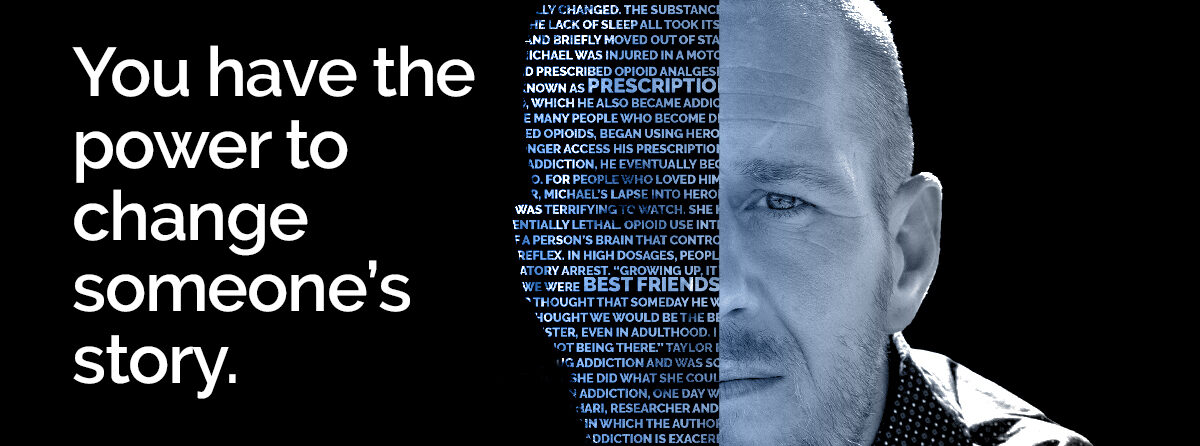
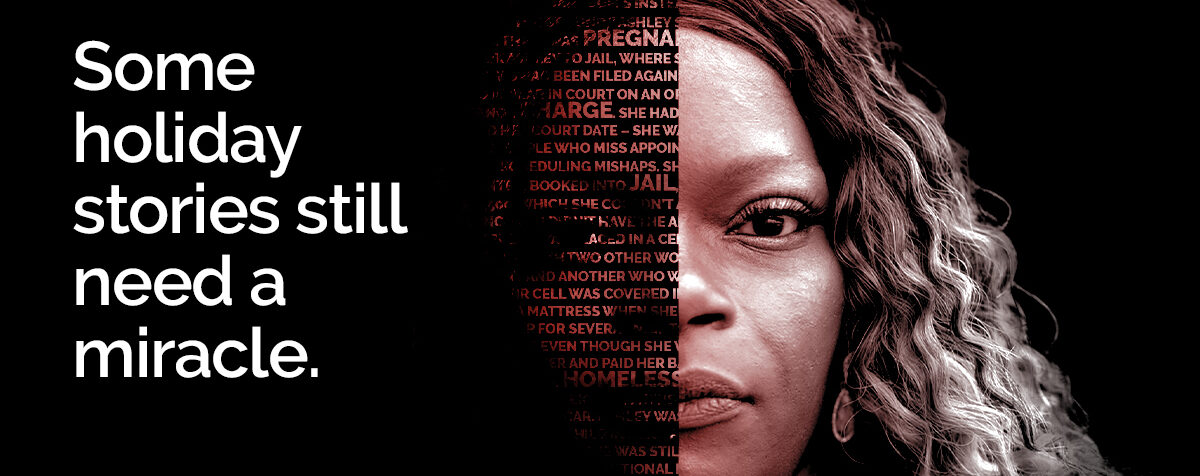
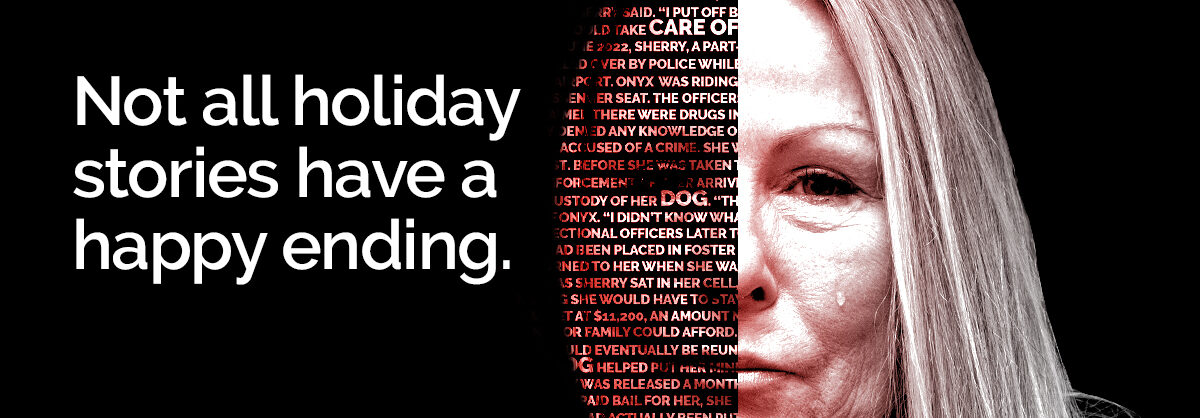

Nonprofits spend a lot of time talking about “data-driven work.” And then proceed to ignore one of the richest datasets they have: people’s actual experiences.
We just published an op-ed in The Chronicle of Philanthropy arguing that storytelling isn’t fluff – it’s infrastructure. It reveals patterns, exposes system failures, and, in The Bail Project’s case, has literally changed outcomes.
Storytelling isn’t a comms add-on – it’s core program work. Because when you actually listen at scale, patterns show up fast: unaffordable bail; short jail stays with long-term consequences; and systems that make outcomes worse, not better.
At The Bail Project, those stories have exposed consistent patterns across tens of thousands of cases.
These are not anecdotes – they’re signals. Data often can’t explain why people lose jobs, housing, or stability after just a few days in jail. Stories fill that gap.
If we want systems change, we need better data. And better stories. Philanthropy has a real opportunity here to strengthen the field by investing in storytelling as core infrastructure. Not just a communications function, but a way to better understand and respond to the systems we’re all trying to change.
Thank you for your valuable attention. The urgency and complication of the cash bail crisis requires meaningful participation to create real change – change that is only achieved through the support of readers like you. Please consider sharing this piece with your networks and donating what you can today to sustain our vital work.