


Americans spend billions in taxpayer dollars each year detaining people before trial, often because freedom depends on wealth rather than risk.
Every April, as Americans scramble to collect tax files and tally deductions, attention tends to focus on refunds and liabilities. But there’s another question worth asking: What are our tax dollars actually funding?
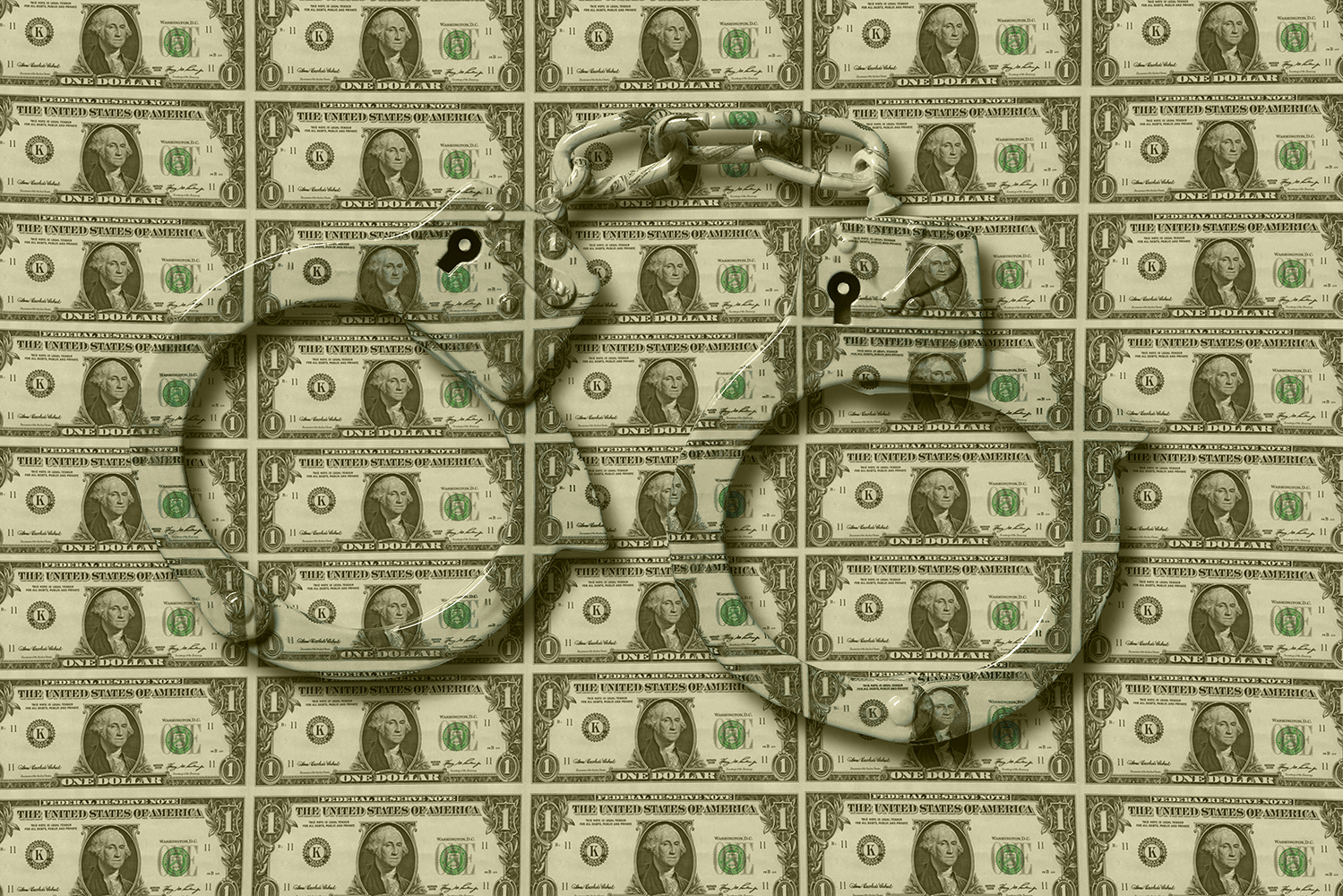
Each year, roughly $14 billion in taxpayer dollars is spent detaining people in local jails who are legally presumed innocent. In many cases, they remain behind bars simply because they cannot afford cash bail set by a court.
How Taxpayers Foot a $14 Billion Bill
The cash bail system was designed as a refundable deposit to ensure people return to court. For those with financial resources, bail is a minor, temporary hurdle – a payment that allows them to stay connected to their family and livelihoods, and fight their case from a position of freedom while awaiting trial. But for millions of Americans living paycheck to paycheck, even a modest bail amount is an insurmountable barrier to freedom. When you cannot pay, you stay in jail. This creates a two-tiered system of justice where a person’s freedom is determined by the balance of their bank account rather than their actual risk to the community.
[O]n any given day, more than half a million unconvicted people sit in our local jails awaiting trial.
As a result, on any given day, more than half a million unconvicted people sit in our local jails awaiting trial. They are legally presumed innocent and have not been convicted of any crime. That’s most of the local jail population nationwide. The Vera Institute of Justice estimates the cost of incarcerating a single person at $47,000 per year. Across hundreds of thousands of people held before trial, these costs add up to billions in public spending each year.
And this $14 billion only scratches the surface. Employment gaps, missed rent payments, and legal fees can cascade into long-term financial instability. These disruptions remain even when charges are dismissed or resolved without incarceration. As The Bail Project’s report, Out of Pocket, explains, being jailed for just three days can lead to an average lifetime financial loss of nearly $30,000.
Beyond the Cost: A System That Is Unjust and Dangerous
Our pretrial system doesn’t just drain public funds – it undermines the presumption of innocence itself. There is no functional distinction between being incarcerated before trial or after a conviction – both strip a person of their liberty and livelihood. This reality often forces a choice between waiting for justice behind bars or pleading guilty simply to go home, regardless of innocence.
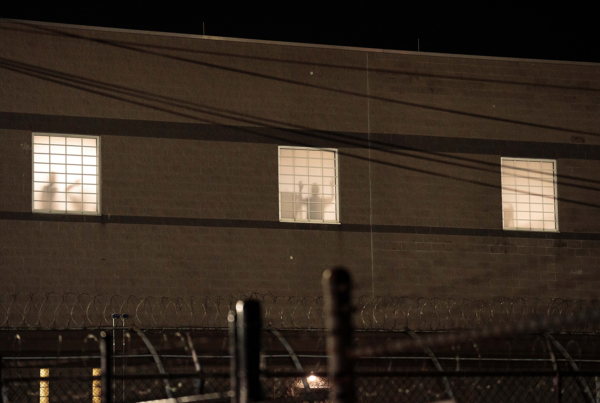
While local jails were designed for short-term stays, people awaiting trial are often detained for weeks, months, or even years. In these overcrowded and understaffed facilities, limited medical care and unsafe conditions become the daily reality for people who have not been convicted of a crime.
The consequences are life-altering. As Out of Pocket reports, the trauma of pretrial incarceration worsens mental health and leads to poorer legal outcomes. In many cases, the pressure of a jail cell becomes so intense that people plead guilty to crimes they didn’t commit simply to go home.
Slashing Services While Billions Flow to Jails
While local taxpayers continue to foot the massive $14 billion bill for pretrial detention, the federal safety net designed to prevent crime in the first place is being dismantled. In April 2025, the federal government terminated 373 Department of Justice grants, stripping resources from organizations across 37 states that keep communities stable.
The loss of these taxpayer-funded programs hits every stage of the justice system. The government eliminated $169 million for violence intervention programs that de-escalate conflict before it leads to an arrest and cut $88 million from co-responder teams that pair police with healthcare professionals to resolve behavioral crises. Funding was also gutted for survivors of human trafficking and sexual assault, jeopardizing emergency housing and medical care, while reentry programs under the bipartisan Second Chance Act were defunded, undermining the very housing and employment support proven to stop the cycle of recidivism.
By rescinding these funds, the administration is dismantling the infrastructure that addresses the root causes of crime, forcing taxpayers to pay the much higher cost of jail down the road.
Proving a Better Way: The Bail Project’s Impact
The ballooning cost of our jails is often justified as necessary for public safety and court appearance, but the work of The Bail Project proves that smarter alternatives save taxpayer dollars while achieving better results. Since its founding, the organization has supported 40,000 people navigating the pretrial system, providing unconditional assistance – including free court notifications and transportation help. The results directly challenge the logic of wealth-based detention. Among the 35,000 people who received free bail assistance, clients safely returned to court 92% of the time, shattering the myth that cash is required to ensure a person’s appearance.
By prioritizing support over cells, The Bail Project has prevented over 1.4 million days of incarceration, saving taxpayers more than $109 million in local jail costs.
Furthermore, nearly one-third of these clients eventually had all their cases dismissed, proving that billions in tax dollars are currently being wasted to detain people whose cases should never result in a conviction at all.
A Question of Priorities
The billions of taxpayer dollars that are currently spent on detention could alternatively fund court supports, schools, housing, substance use programs, or mental health programs – investments that are widely understood to strengthen communities, reduce crime, and ensure court appearance.
[T]hese funds sustain a system in which a person’s freedom before trial can depend on their ability to pay.
Instead, these funds sustain a system in which a person’s freedom before trial can depend on their ability to pay.
This Tax Day, consider one of the least visible – but most expensive – line items in local budgets: the cost of detaining legally innocent people who cannot afford bail.
Understanding these costs is an important step toward asking a broader question: should freedom before trial depend on a person’s bank account – or should the justice system honor the presumption of innocence it claims to uphold?
We need your help to secure freedom for people trapped behind bars because of unaffordable bail.
Your support gives hope to the thousands of people still trapped in pretrial detention. We’ve supported more than 40,000 clients through free bail assistance and community-based support services like affordable housing and healthcare, and mental health services. You can help secure the freedom of thousands more.
The Bail Project is a 501(c)(3) nonprofit organization that is only able to provide direct services and sustain systems change work through donations from people like you.