
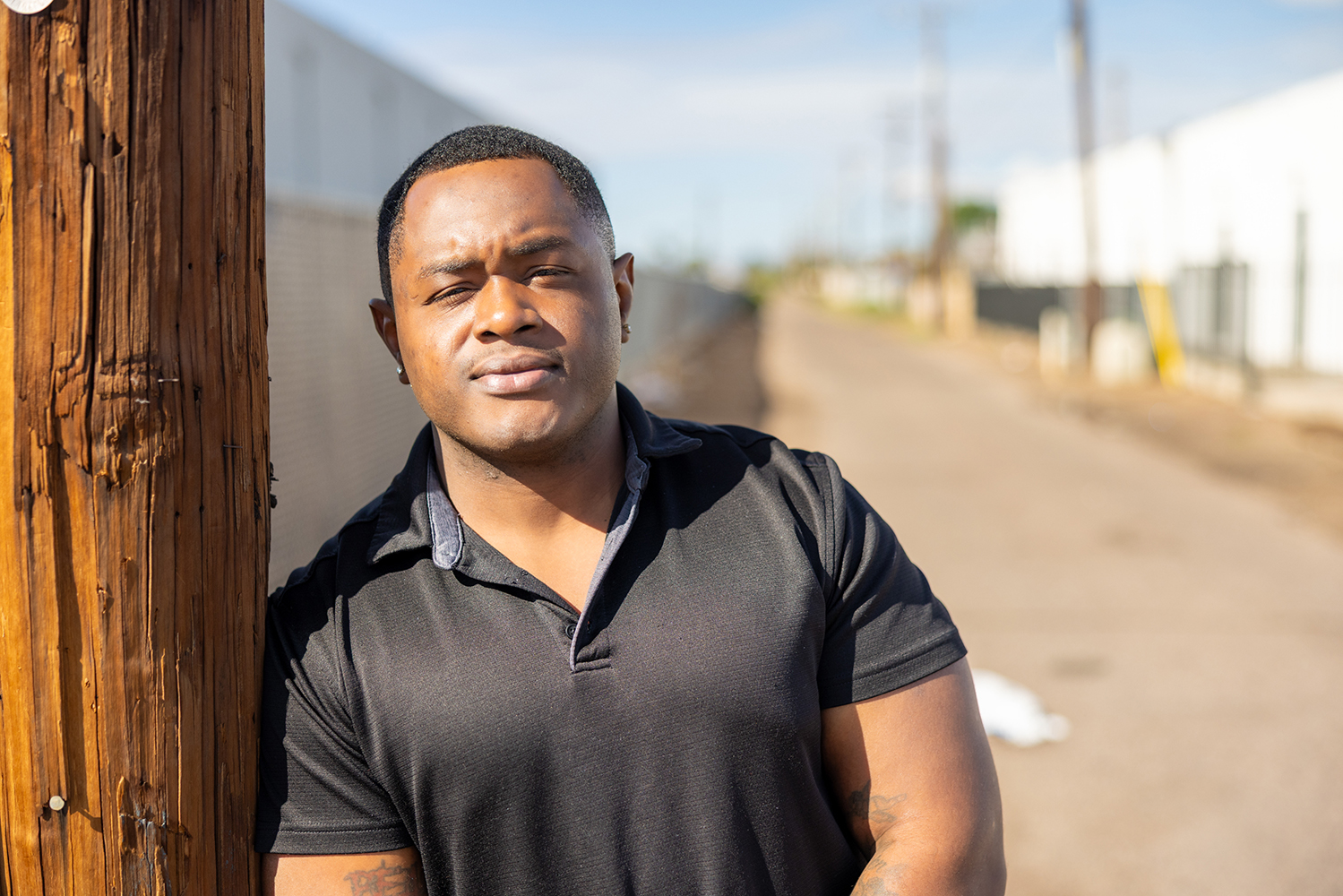
In Phoenix, a father struggling to recover from addiction finds that the criminal justice system’s small bureaucratic hurdles can snowball into jail, hopelessness, and a fight just to stay alive.
Timmie’s story is not merely one of addiction and recovery. It is a testament to how small, seemingly banal procedural mechanisms can pile up to manufacture a profound despair. It is a story about how a missed check-in or a denied bail bond application can feel less like administrative hurdles and more like a death sentence.
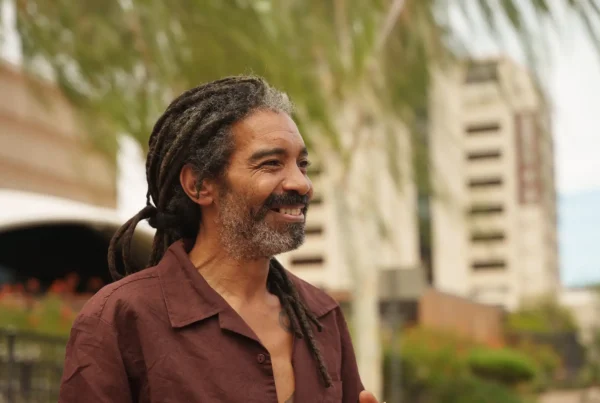
Timmie is a man who speaks with the rhythmic, laid-back cadence of the West Coast. He spent his childhood shuttling between San Bernardino and Phoenix, eventually settling in the desert. He describes himself as a “go-getter,” a trait he is currently applying to the final stages of the hiring process for a new job. But for several years, that energy was siphoned away by a severe fentanyl addiction.
“Drug addiction is not picky and choosy. It could happen to anybody.”
“Drug addiction is not picky and choosy,” Timmie explains. “It could happen to anybody. I thought it couldn’t happen to me. I was like, ‘I’m too strong for addiction.’ But my situation happened due to depression. Breakups with relationships. Most importantly, my daughters. I couldn’t provide for them the way I wanted to.”
The slide into homelessness was gradual and then sudden. He found himself on the streets of Phoenix where fentanyl was “so easily accessible” it seemed to be part of the pavement. He recalls standing up and falling asleep at bus stops, his knees buckling under the weight of the high. He went to detox nearly fifty times. He tried. He failed. He tried again. But the cycle of poverty and addiction is a trap that is difficult to escape without a hand to pull you out.
That trap snapped shut on October 12, 2024. Timmie was arrested for selling pills to an undercover officer. It was a transaction born of his own sickness. He was “hurting” and needed to support his own habit. The arrest landed him in a Maricopa County jail cell, a place designed to strip a person of agency.
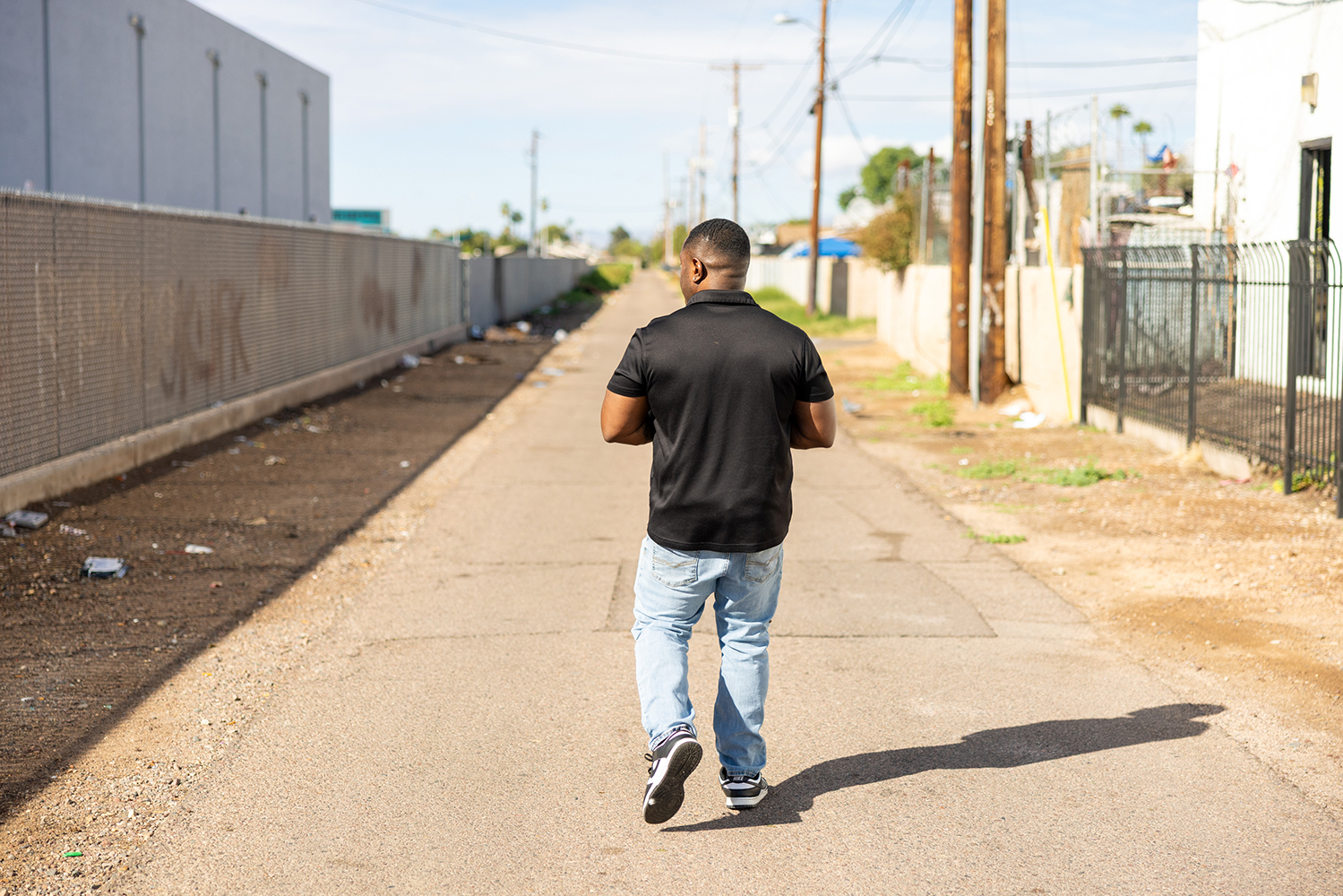
This is where the procedural violence began. Timmie had family who loved him. His mother was willing to put up her car, her savings, and her stability to bring him home. She gathered collateral and approached a commercial bail bonds agent. In the American criminal justice system, freedom is a commodity, and those without cash are often left to rot. But even with collateral, the bail bonds agent rejected her application. They viewed Timmie as a bad investment.
“They got all those bail bond company names and information on that wall in jail for what? A lot of people can’t afford that.”
“It’s like they become careless when it comes to certain people and their situations,” Timmie says, reflecting on the industry. “They got all those bail bond company names and information on that wall in jail for what? A lot of people can’t afford that.”
The rejection devastated him. He sat in his cell and watched as other men lost hope. He listened to the jailhouse lawyers who predicted he would serve six months to a year. He resigned himself to the cage.
That’s when The Bail Project stepped in. A bail disruptor interviewed him. It was a simple conversation conducted over a video screen, but it reintroduced humanity into a situation that usually deals only in inmate numbers. Timmie was skeptical. He had been burned before. In a previous case, he had actually shown up to court, but he arrived late. The clerk at the front desk refused to let the court know he was in the building. Because of that single bureaucratic refusal, a warrant was issued for his arrest. That memory lingered.
“I still didn’t believe that I was gonna get out. I was like, ‘Yeah, I might have an interview, but I don’t feel like I’m really going to get out.’”
“I still didn’t believe that I was gonna get out,” he admits. “I was like, ‘Yeah, I might have an interview, but I don’t feel like I’m really going to get out.'”
But the bail was posted. He was released.
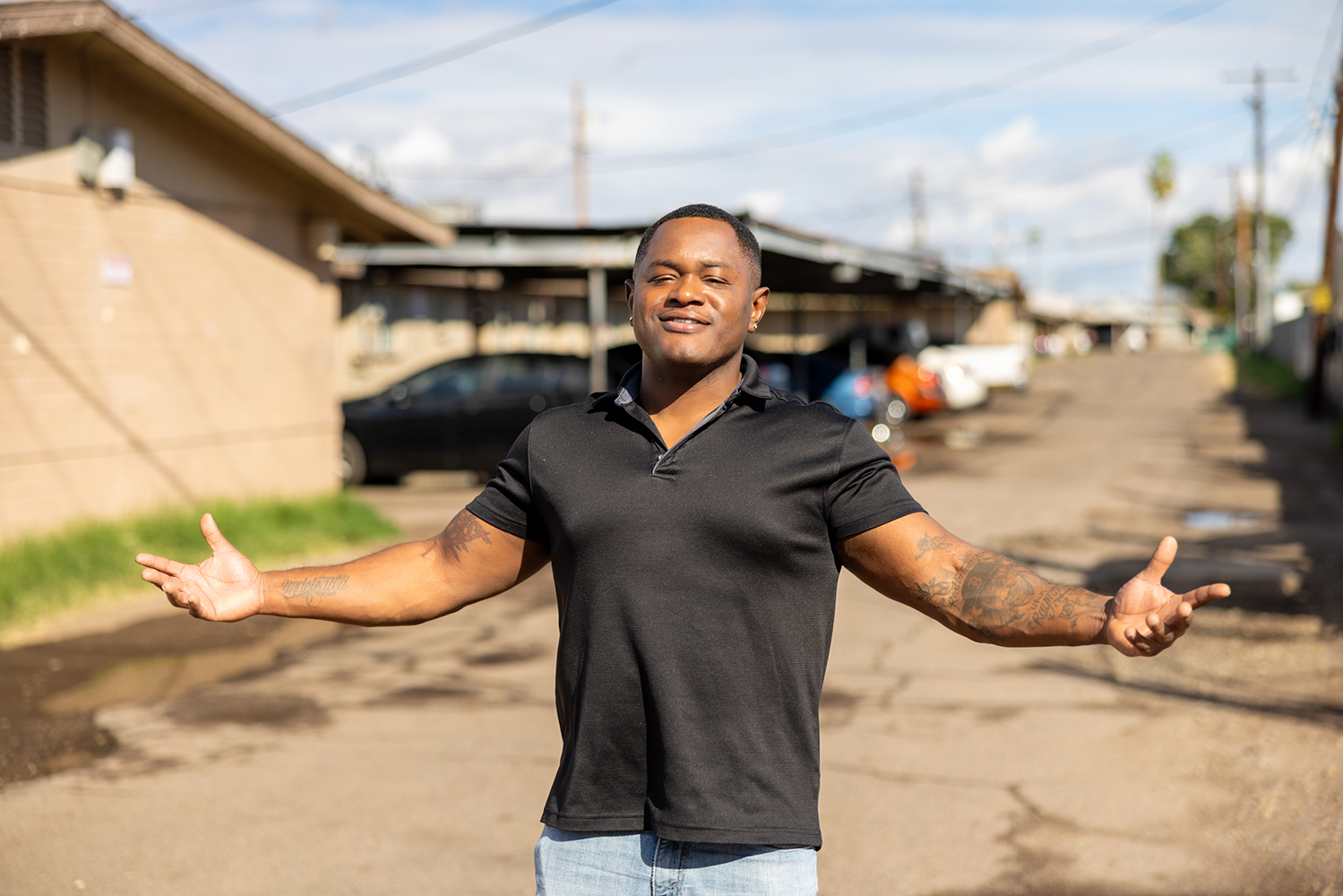
The freedom allowed him to return to his family, but the criminal justice system was not done with him yet. This is where the power of the state to manufacture despair is most potent. Despite his sobriety, despite his release, and despite his compliance, the prosecutors offered him a plea deal that felt like a physical blow.
Five years in prison.
That was the offer. Timmie had been fighting to rebuild his life, staying sober by what he calls the “strong will of God,” but the paperwork on the table said his efforts didn’t matter. The weight of that number crushed him. He walked out of the courtroom and didn’t go home. He walked the streets of Phoenix, his mind spiraling into a dark logic. If the state was going to take five years of his life, perhaps it was better to take the rest of it himself.
“I didn’t care about life anymore, to be honest,” Timmie says, his voice serious. “The first thing I thought about was overdosing. I knew I had been sober for a while. I was like, maybe if I go buy some drugs, go find some pills somewhere, and then smoke them, maybe that’ll help me end it all.”
He spent the day and night walking. He managed to buy pills. He held the means of his own destruction in his hand. This was the despair the system had engineered. It had stripped him of hope so thoroughly that death seemed like a viable alternative to prison.
He found a bus stop. He sat there, holding the pills, a war raging in his mind between the addiction that wanted to claim him and the faith that had sustained him.
“I ended up throwing them in the trash,” Timmie says. “I got up and walked home and I said, ‘Man, I’m good. I’m just gonna face this.'”
He called the bail disruptor who bonded him out. This is another moment that matters. In a system of cold statutes, a human connection is a lifeline. The disruptor didn’t just offer platitudes. He offered resources. He offered a listening ear. Most importantly, he offered a ride to court.
It sounds trivial. A ride to court. But for a man without a car in a sprawling city, a ride is the difference between a “failure to appear” warrant and freedom. It is the difference between being a fugitive and being a citizen standing up for his rights.
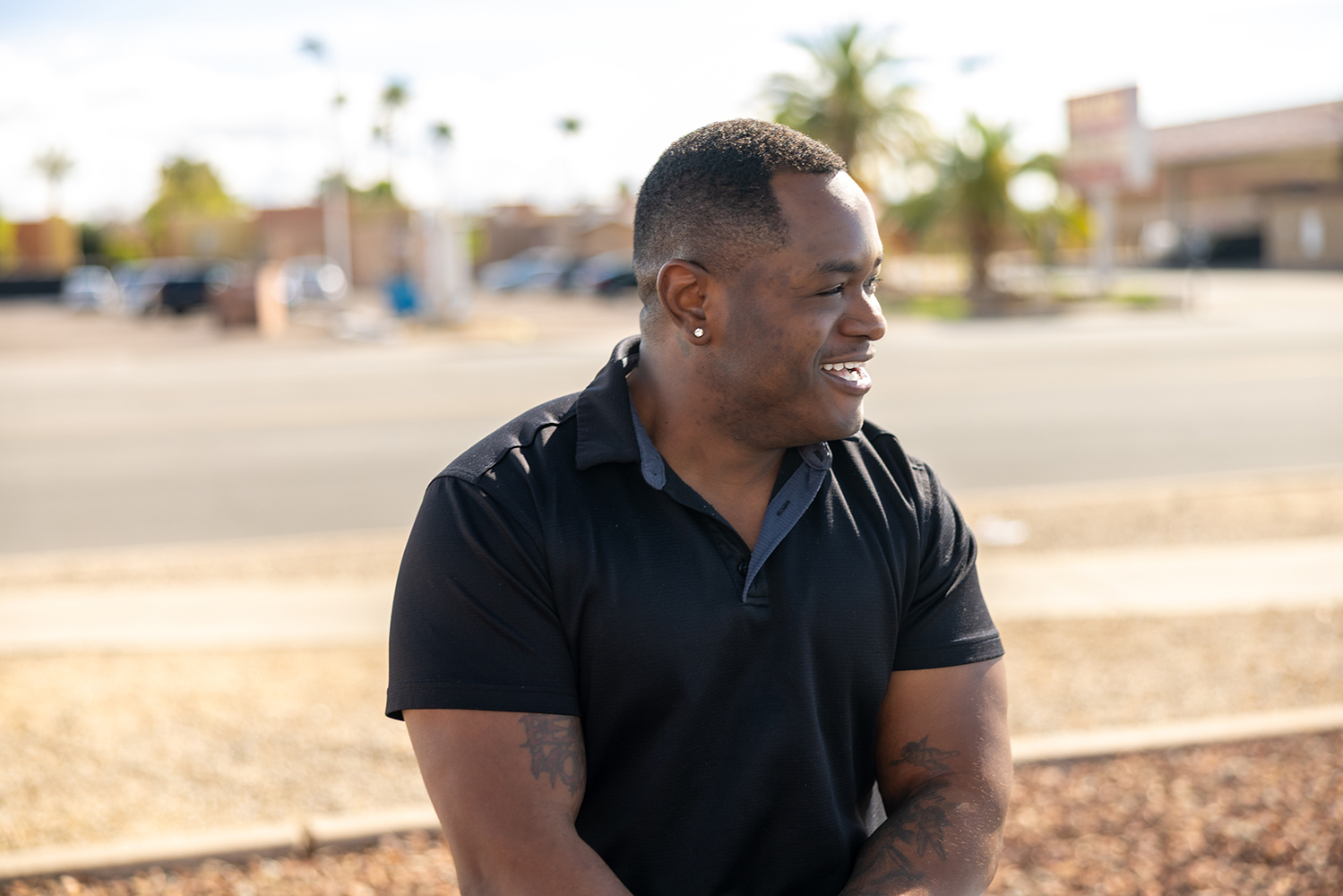
Because he could get to court, he could fight. Because he could fight, the narrative changed. The prosecutors began to see the man, not just the charge. They saw his sobriety. They saw his dedication to his daughters. The five-year prison offer evaporated.
The final result was probation.
Timmie has been sober for over a year. He is rebuilding trust with the mother of his children. He is navigating an employment search with the same tenacity he used to survive the streets. He is a free man.
His story is a victory, but it is also a warning. It exposes a criminal justice system where a clerk’s refusal can create a fugitive, where a bondsman’s rejection can destroy a family’s hope, and where a prosecutor’s initial offer can push a man to the brink of suicide.
Timmie, however, chooses to focus on the grace that carried him through. He made it out of the trap. He walked away from the bus stop. He is finally, truly, going home.
We need your help to secure freedom for people trapped behind bars because of unaffordable bail.
Your support gives hope to the thousands of people still trapped in pretrial detention. We’ve supported more than 40,000 clients through free bail assistance and community-based support services like affordable housing and healthcare, and mental health services. You can help secure the freedom of thousands more.
The Bail Project is a 501(c)(3) nonprofit organization that is only able to provide direct services and sustain systems change work through donations from people like you.