
Video Transcript
When I was released 20 years ago, I had nothing but a folder of legal papers and a head full of uncertainty. And yet, over the last 20 years, my life has taken a path I never could have imagined.
When I reached the age of 22 years old and was arrested for the very first time, I couldn’t imagine that I would ever get a $200,000 bail I couldn’t afford. In that very moment, my freedom disappeared before my case ever had a chance to begin. As a result, I took a plea deal under pressure.
But after ten years in prison, I got a second chance.
I appealed my case, and I won.
And when I walked out of prison that day 20 years ago, something ignited in me. I understood that my story was my power, and I was filled with the belief that no one else would get to tell my story but me.
Today I proudly lead The Bail Project, where we meet people in that exact moment of crisis and give them the chance to rewrite their story.
All 40,000 of our clients have their own unique story, and each one is an act of resistance against the very systems that failed them.
As I mark 20 years of freedom, I am less interested in celebrating the day I walked out of prison – and more committed to building a world where fewer people ever walk in. And it’s one that we can build together.
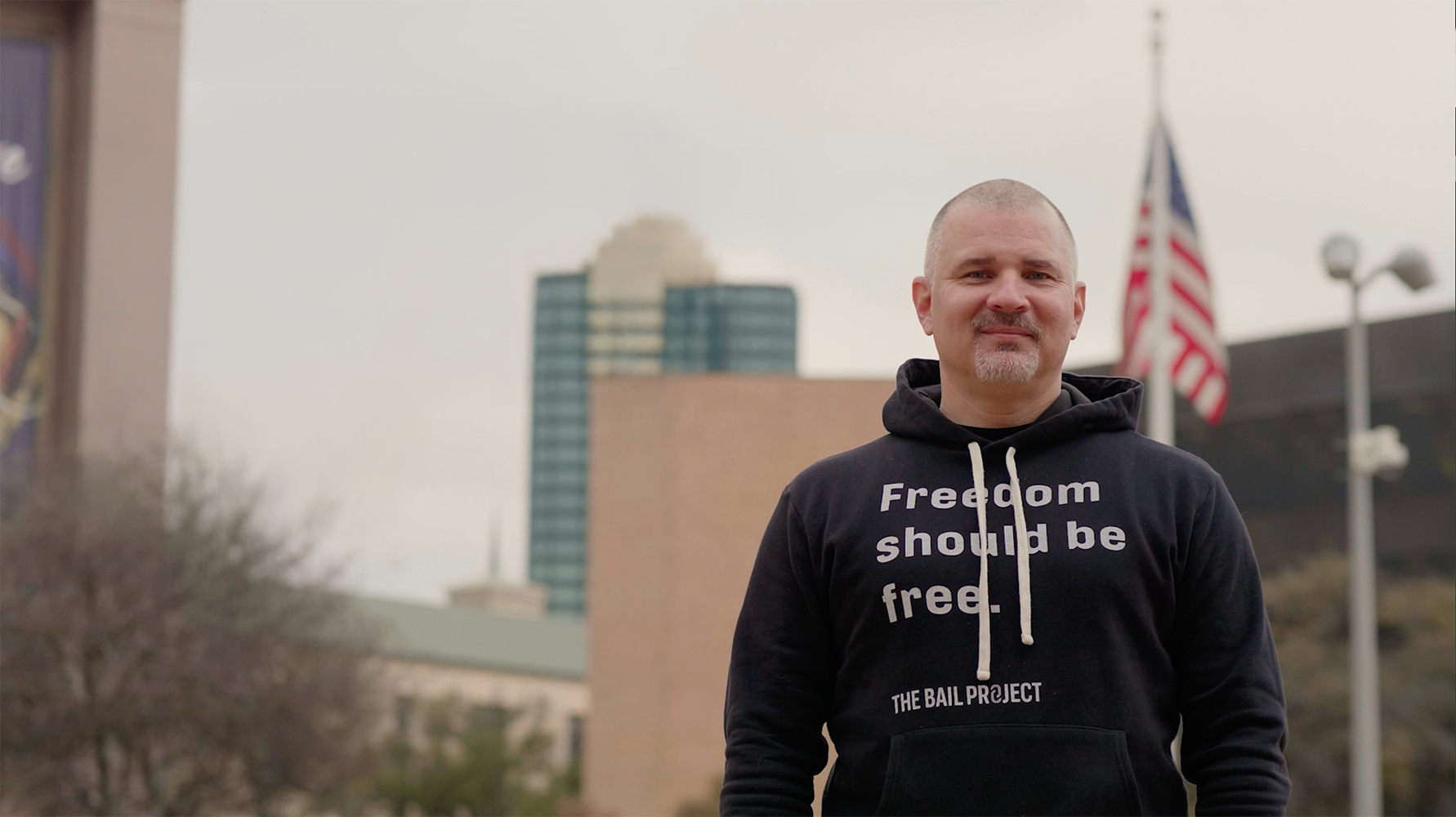
Because freedom should be free.
My release anniversary isn’t just a milestone, but a reminder of how many people remain trapped in a criminal justice system built to punish, not give a fresh start.
Twenty years ago last month, I stepped out of a Washington State prison with a small plastic bag of belongings and a mind full of questions I did not yet know how to ask. I had served ten years on a twenty year sentence, won my appeal on my own, and walked into a world I was not sure had room for me. I did not have a roadmap or a degree or savings. What I did have was the stubborn belief I had carried since boyhood, the belief that no one else gets to tell me what my life will become.
Looking back now, I understand something I could not have named at the time: what many people call second chances are often the first real chances people like me ever receive.
Looking back now, I understand something I could not have named at the time: what many people call second chances are often the first real chances people like me ever receive.
My story begins long before the prison gate closed behind me. I grew up between tenderness and instability. One side of my family was large and affectionate, the kind of place where you were always being hugged or fed. The other side was shaped by struggle, addiction, and violence.
By the time I was eight, life had already left its marks on me. I’d been taken from my mother’s custody and placed in the state’s at five – a jarring separation, police at the door, six months of being cut off from everyone who made me feel safe. I came home changed. Soon after, I survived an accidental overdose of seizure medication that put me in a coma, and later a gunshot in a domestic incident.
Those experiences left me with injuries that stayed with me into adulthood. They also left emotional wounds that were harder to describe.
I became a father at 16 and was out on my own soon after. I left California for Seattle because it was the only place I had ever heard described as somewhere a young man could get a job and make a life. I worked every shift I could find. I held warehouse jobs, restaurant jobs, and whatever else kept the lights on. Still, nothing I earned covered childcare, rent, and the basic expenses of survival. After an unexpected garnishment of my already meager earnings, my paycheck arrived full of symbols where the numbers should have been. No money for groceries, let alone rent.
When your back is against the wall and you feel that every system around you is designed to keep you there, the choices you make are often desperate.
When your back is against the wall and you feel that every system around you is designed to keep you there, the choices you make are often desperate. At 22, overwhelmed and in need of money, I committed three armed robberies.
I did not hurt anyone and never intended to, but that does not erase the harm I caused. I turned myself in, was charged, and assigned a bail amount of $200,000, which the judge doubled to $400,000 within a week. I could not afford $20 at the time, much less hundreds of thousands. From that moment forward my freedom was out of reach.
I was told I faced 68 years. Standing in the courtroom with my heart pounding loud enough to drown out the judge, I followed the advice of my attorney and signed the plea deal: 20 years and nine months. I had no idea how a person was supposed to survive that.
But the same instinct that once carried me through painful physical therapy after being shot as a child, the same determination that made me get back on a bicycle even when every muscle burned, showed up again. Something felt wrong about my case – more than 20 years for a first-time offender – and I refused to accept that there was no way to challenge it. I did not know the law. I did not know the process. All I knew was how to try.
In the prison law library I wrote a single sentence declaring my intention to appeal. I did not know that sentence would preserve my right to fight for my freedom years later. Over time I earned my GED, took college courses, became the law library clerk, and learned to research and write in ways I had never been taught. I read robbery cases, then constitutional cases, then cases that had nothing to do with mine but revealed the many ways the system fails people every day.
For seven years I fought. I pored over constitutional violations, due process failures, and precedents from every corner of the law. What I uncovered was simple: my charging document was wrong, and that error shaped the wrongful sentencing that followed – the misguided belief I faced 68 years, the pressure to take a plea, and the two decades of life I accepted.
I was responsible for what I did, but I should never have been threatened with decades I didn’t owe.
I was responsible for what I did, but I should never have been threatened with decades I didn’t owe. When the courts finally acknowledged the errors, my sentence was overturned and I came home eleven years early.
On the day of my release I did not feel triumphant. I felt uncertain. Who would I be now? How would I rebuild a life that had never fully begun?
The answer arrived slowly, through work and family and through the quiet belief of people who saw potential in me before I fully saw it in myself. Freedom allowed me to become the father, husband, and community member I had always wanted to be. It allowed me to return to the world not as a cautionary tale but as someone who could help others navigate the same impossible systems I once faced alone.
Today I lead The Bail Project, an organization that meets people in moments of crisis, supporting them through the pretrial process.
Today I lead The Bail Project, an organization that meets people in moments of crisis, supporting them through the pretrial process. I meet thousands of people who remind me of myself at 22. They are scared, overwhelmed, and convinced that one mistake or one bad break defines them forever. I know how wrong that is.
Since our founding, The Bail Project has supported more than 40,000 people across the country. Each of those encounters is both an act of mutual aid and often the first time our clients are given resources, the benefit of the doubt, a vote of confidence – a chance.

”We often talk about second chances in the criminal justice system. But when I look at the people we serve, I see something different. I see individuals who never had a first chance to begin with.
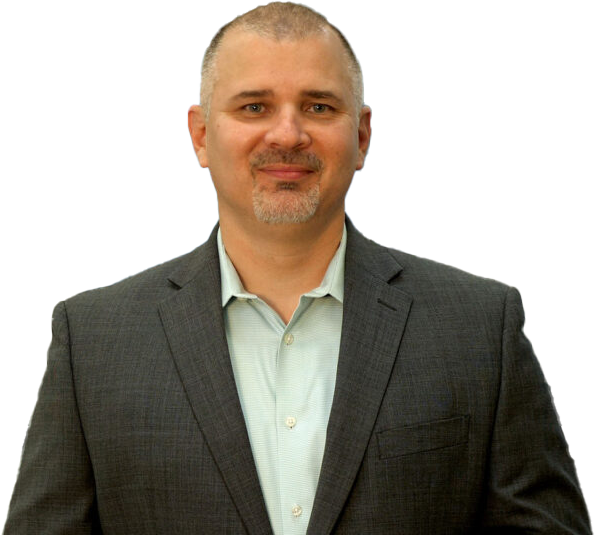
David Gaspar, CEO
We often talk about second chances in the criminal justice system. But when I look at the people we serve, I see something different. I see individuals who never had a first chance to begin with. They never had stable housing or access to healthcare or mental health treatment. They never had a teacher or mentor who believed in them. They never had someone who asked what happened to them instead of what they did. In fact, they’re often further disadvantaged by the system, which is rife with its own triggers, stressors, harms, and a lack of adequate care.
I have learned, through my own journey and through thousands of encounters at The Bail Project, that people rarely end up in jail because of a single choice. They end up there because of a lifetime of choices made about them – political decisions to underfund schools, cut mental health services, let affordable housing disappear, and allow whole neighborhoods to struggle without stable jobs or consistent support. These are not individual failures; they are policy failures. And they create conditions where desperation becomes predictable, even inevitable.
The question is not whether solutions exist. It’s whether we have the political will to give people their first real chance before it’s too late.
If we want people to have a fighting chance, we must build the world that was missing for me and for so many of the people we serve. That means investing in safe housing, meaningful work, quality education, and real health care, including mental health and addiction treatment. It means replacing punishment with support, and scarcity with opportunity. These are the foundations that prevent justice system involvement in the first place – and the foundations every person deserves before we ever talk about “second chances.” We could do this tomorrow, if we chose to. The question is not whether solutions exist. It’s whether we have the political will to give people their first real chance before it’s too late.
As I mark 20 years of freedom, I am less interested in celebrating the day I walked out of prison and more committed to building a world where fewer people ever walk in. A world where freedom is not something you win back but something you never lose, not because you were lucky or exceptional but because society believed in your potential.
I have lived the difference. Twenty years later I am still fighting to make sure others get to live it too.
Thank you for reading. The Bail Project is a 501(c)(3) nonprofit organization that is only able to provide direct services and sustain systems change work through donations from people like you. If you found value in this article, please consider supporting our work today.